
1-day itinerary
Best of Schokland
UNESCO heritage site exploring 10,000 years of history
- Length
- 1 day · 4 sights
- Pace
- Easy
- Estimated cost
- €32 per person
- Based in
- Schokland
Day by day
-
Day 1: UNESCO Heritage & Island History
A comprehensive day exploring the unique landscape of Schokland, visiting the museum, walking the archaeological sites, and enjoying the historic harbor.
-
09:00
Museum Schokland & Ancient Footprints
Start your day at the central Museum Schokland. Explore the exhibits on the island's history, from its days as a fishing village to its abandonment. View the famous 4,000-year-old human footprints preserved in the clay.
About 2 hours
-
11:00
Walking Tour of Dwelling Mounds
Take a guided or self-guided walk through the open landscape to see the prominent dwelling mounds (terps). These artificial hills mark the locations of ancient settlements and offer insight into how residents protected themselves from water.
About 1.5 hours
-
12:30
Lunch at the Harbor
Enjoy a casual lunch at one of the cafes near the Schokland Harbor. The location offers scenic views of the surrounding polder and the historic lighthouse.
About 60 min
-
13:30
Schokland Harbor and Lighthouse
Visit the historic harbor area and the iconic lighthouse. Learn about the island's maritime past and its role as a beacon for ships in the former Zuiderzee. The area provides excellent photo opportunities of the flat, reclaimed landscape.
About 1.5 hours
-
15:00
National Monuments and Archaeological Sites
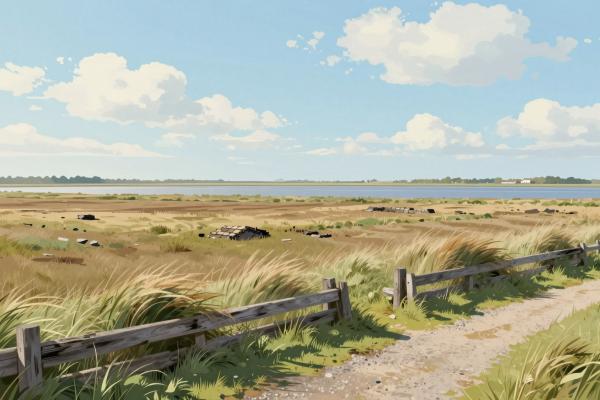
Explore the broader UNESCO site, walking among the over 160 archaeological sites. Look for remaining foundations of houses and churches. This is a serene area for reflection on the Dutch fight against water and the resilience of the former inhabitants.
About 2 hours
-
17:00
Sunset Walk in the Polder
End the day with a leisurely walk through the surrounding Noordoostpolder landscape. The flat terrain and open skies offer a peaceful conclusion to the historical tour.
About 60 min
- Meals:
- Lunch at Schokland Harbor Cafe
- Where to stay:
- Schokland is a small village with limited accommodation. It is recommended to stay in nearby cities like Kampen, Zwolle, or Lelystad for better hotel options and dining variety.
- Getting around:
- A car is highly recommended as public transport to Schokland is infrequent. Once there, walking is the best way to explore the scattered sites. Parking is available near the museum and harbor.
-
09:00