








- Where
- Schokland, Flevoland
- Directions
- Directions
Schokland is a former island in what was once the Zuiderzee, and it is now a strip of raised land in the middle of the flat Noordoostpolder in the province of Flevoland. In 1995 it was inscribed on the UNESCO World Heritage list, the first site in the Netherlands to be recognised, because it records so clearly the long struggle of the Dutch against the water. The national monuments that make up the site are the dwelling mounds, the church ruins and the old harbour.
For centuries, people lived on Schokland on mounds called terpen, raised above the flood level, and the island was slowly eroded by storms. By the nineteenth century conditions had become so bad that the island was evacuated, in 1859, and its residents were moved to the mainland. The island's fate was settled when the Noordoostpolder was drained in 1942, which left Schokland standing as a low ridge in the middle of new farmland. The outline of the former island is still visible, and the sense of standing on what was once a sea shore is surprisingly strong.
The main features can be explored on foot. The dwelling mounds, such as the Middelbuurt, hold the remains of houses and a church, and the foundations of the old island communities have been marked out in the grass. The Museum Schokland, in a church built in the nineteenth century on the Middelbuurt mound, shows the story of the island with archaeological finds, among them evidence that people lived here thousands of years ago and even prehistoric footprints. The old harbour and a small lighthouse mark the former shoreline, and information panels explain how the water once reached here.
Walking and cycling routes connect the sites, running through open fields and along old dikes. The landscape is huge and quiet, and the weather and light are always dramatic. In clear conditions you can see the dwelling mounds across the fields, and the straight lines of the polder roads and ditches give a sense of the scale of the reclamation project. Opening hours of the museum vary, so check before you go.
Schokland suits history lovers, those interested in water management and landscape, and visitors who like quiet, open places. Allow two to three hours for the museum and a walk, and bring wind-proof clothing, as there is no shelter.
Categories

More photos coming soon
Nearby Attractions
Other places to visit in Schokland
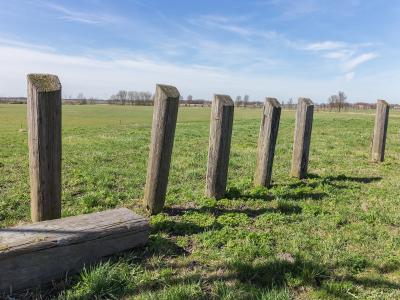
Dwelling mounds
Dwelling mounds marking ancient island settlements
History & Heritage · Monuments
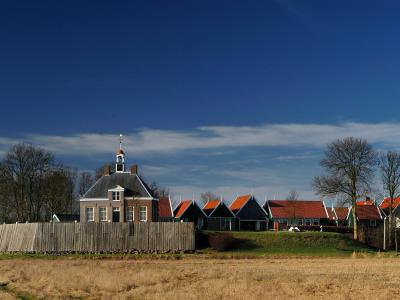
Museum Schokland
UNESCO site showcasing Schokland’s island history
History & Heritage · History Museums
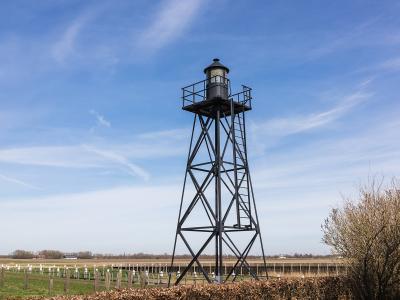
Schokland Harbor and Lighthouse
Historic lighthouse on former Zuiderzee island
Coastal & Maritime · Harbors
Questions people ask
Quick Facts
Best Time to Visit
Mid-March to September offers mild weather, open trails, and ideal conditions for exploring Schokland’s museum, ruins, and historic landscapes.