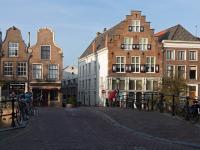
Hostels in the Netherlands range from large city hostels in Amsterdam to small hostels on the Wadden Islands and in the countryside. Most offer both dorm beds and private rooms, many are open to all ages and families, and in Amsterdam they are the main way to stay centrally without paying hotel prices.
The main hostel networks
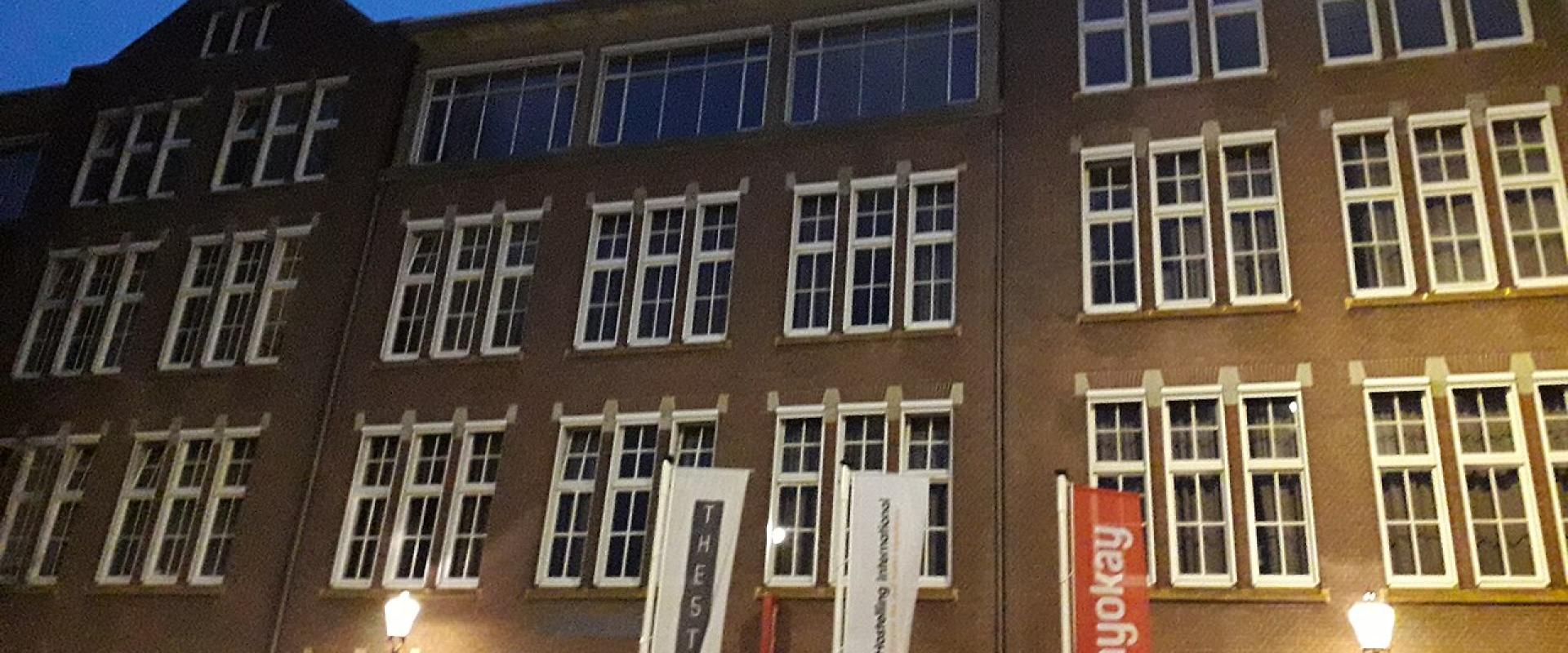
Stayokay is the Dutch member of Hostelling International and the largest hostel operator in the country. It currently runs hostels in:
| Area | Stayokay locations |
|---|---|
| Amsterdam | Oost, Stadsdoelen (city centre), Vondelpark |
| Other cities | Rotterdam, Utrecht Centrum, Den Haag, Haarlem, Dordrecht, Maastricht, Eindhoven, Arnhem, Apeldoorn |
| Coast and islands | Texel, Terschelling, Egmond, Noordwijk, Domburg, Heemskerk |
| Countryside | Bunnik, Gorssel, Soest |
A Groningen hostel is announced but not due to open until 2027. Stayokay hostels are used by school groups and families as well as backpackers, so the atmosphere is generally calm. Hostelling International members get a discount.
Independent hostels are concentrated in Amsterdam and the larger cities. Amsterdam's best-known include ClinkNOORD in Amsterdam Noord, reached by the free ferry from behind Centraal station, Generator Amsterdam near Oosterpark, and the Flying Pig hostels near Centraal station and Vondelpark. Some independent hostels are aimed at young travellers and have bars and social programmes; check age policies, because a few only accept guests within a set age range.
Dorms or private rooms
- Dorms range from four to more than ten beds, mixed or single-sex. Female-only dorms are offered by many hostels.
- Private rooms for two to four people, often with an en-suite bathroom, are standard in Stayokay and in the newer independent hostels. For two people sharing, a hostel private room is often cheaper than a central Amsterdam hotel.
- Family rooms are common in Stayokay hostels, particularly on the coast and in the countryside.
What is and is not included
Check the booking details, because practice varies:
- Bed linen is normally included in the city hostels; some smaller hostels charge for it or for towels.
- Breakfast is included at some hostels and sold separately at others.
- Lockers are standard in dorms, but you may need your own padlock or have to pay for one.
- Kitchens for guests are common in independent hostels but not universal.
- Tourist tax is charged by the municipality and may be added at check-in. In Amsterdam it is 12.5% of the room price in 2026.
- VAT on overnight stays rose from 9% to 21% on 1 January 2026, which pushed prices up across the board.
Check-in, luggage and ID
Expect to show a passport or national ID card at check-in, as Dutch accommodation providers must register their guests. Check-in is usually from mid-afternoon and check-out in the morning, and most city hostels have a luggage room or lockers where you can leave bags before check-in or after check-out, sometimes for a small fee. Late arrivals should tell the hostel in advance; most large city hostels have a 24-hour reception, but smaller hostels on the islands and in the countryside may close the desk in the evening. If you are travelling by bike, ask whether there is secure storage before booking.
When and how to book
Book early for weekends in Amsterdam, for King's Day (27 April, or 26 April when the 27th is a Sunday), for the tulip season in spring, for Amsterdam Dance Event in October and for summer on the islands. Outside those periods, weekday beds are usually available at short notice.
Booking directly on the hostel's own website sometimes gives a better rate or more flexible cancellation than booking platforms. Hostelworld and Booking.com list most Dutch hostels and are useful for comparing reviews.
Hostels outside Amsterdam
Staying outside Amsterdam is often cheaper and quieter, and the train makes it practical:
- Haarlem and Utrecht have hostels within easy reach of Amsterdam by direct train.
- Rotterdam and The Hague have hostels close to their central stations and are good bases for exploring the south of the Randstad.
- Maastricht suits a trip to South Limburg and nearby Belgium and Germany.
- Texel and Terschelling hostels are popular with cyclists and walkers. Texel is reached by TESO ferry from Den Helder, Terschelling by Rederij Doeksen from Harlingen.
- Stayokay Heemskerk is in Kasteel Assumburg, a medieval castle near the North Holland dunes.
Safety and house rules
The Netherlands is generally safe, but take ordinary precautions.
- Use the lockers for passports, laptops and phones, especially in large dorms.
- Watch for pickpockets around Amsterdam Centraal, on busy trams and in the nightlife districts.
- Lock bikes properly, with two locks if possible, and use hostel bike storage where it exists. Bike theft is common in Dutch cities.
- Smoking is banned indoors in hostels, as in all Dutch hospitality venues. This includes cannabis; many hostels also forbid it on their premises.
- Quiet hours are enforced in most dorms. Large groups and school parties are often placed in separate rooms or floors.
Getting around from your hostel
All trains, trams, buses and metros accept contactless bank cards and phones through OVpay, so you can tap in and out without buying a travel card. In Amsterdam, the GVB ferries across the IJ from behind Centraal station are free for pedestrians and cyclists. In Amsterdam, the transport company GVB also sells day and multi-day tickets for its trams, buses and metro, which can be cheaper than paying per trip if you make many journeys. Renting a bike for a day is easy in every city and is often the quickest way to reach museums, parks and markets from a hostel outside the centre.