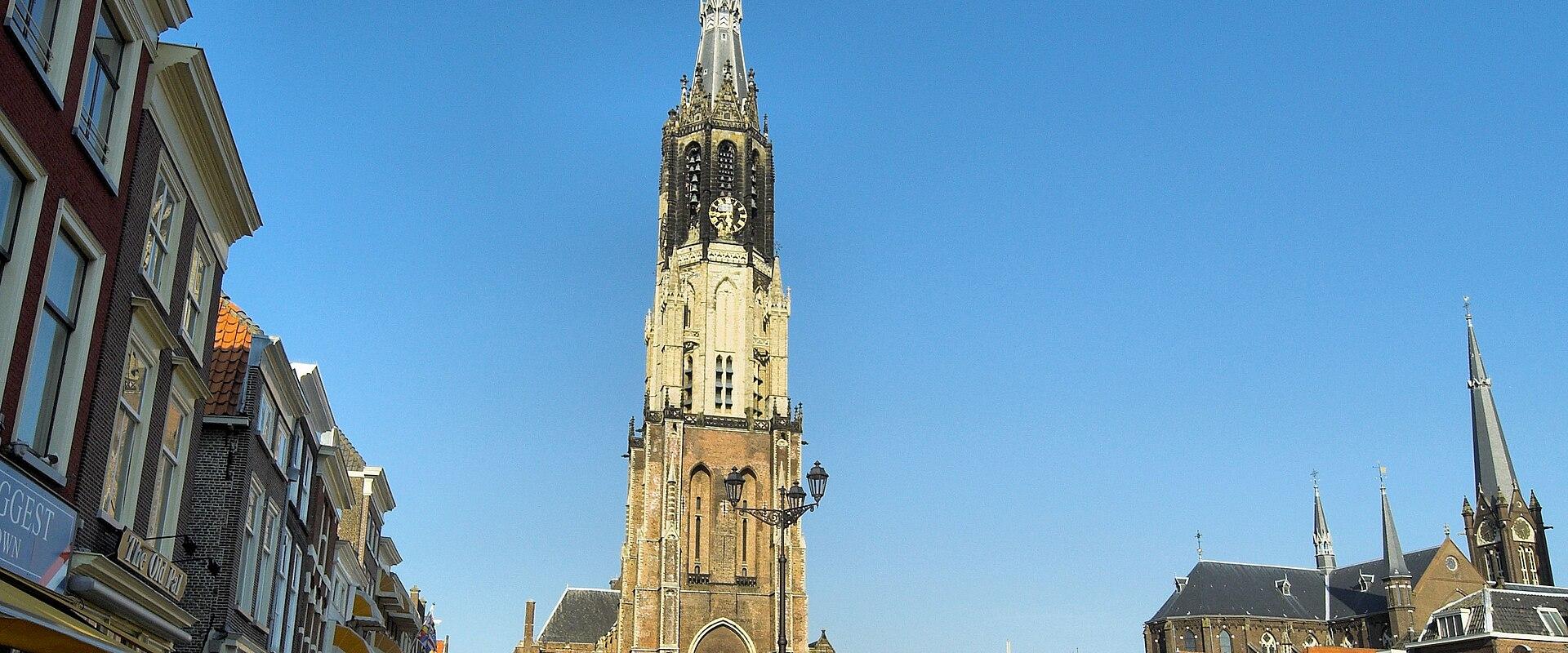
Delft lies between The Hague and Rotterdam, in the province of South Holland, and is among the best-preserved historic cities in the country. It received city rights in 1246 and flourished as a centre of trade and craftsmanship, its fortunes rising with its canals and with the establishment of a chamber of the Dutch East India Company here. Delft also played a part in the Dutch Revolt, since William of Orange made it his base and was assassinated in the Prinsenhof in 1584. The Golden Age wealth made Delft known across Europe, and the legacy is still visible in the elegant canal houses, market squares and the Delftware pottery that has been made here since the 17th century, inspired by Chinese porcelain imported by the Company.
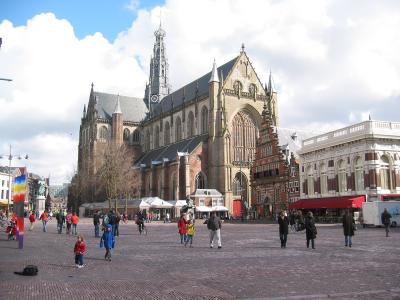
The centre of Delft is an old town of canals, bridges and narrow streets. The Markt, a very large square, one of the grandest in the Netherlands, is dominated by the Nieuwe Kerk, the New Church, whose tower gives views over the city and the flat country around. The church is the burial place of William of Orange and, in a vault, of members of the Dutch royal family. Across the square stands the Stadhuis, the City Hall, a Renaissance building with an ornate façade that reflects Delft’s civic pride. The Oude Kerk, the Old Church, has a pronounced lean to its tower and holds the graves of Johannes Vermeer and the scientist Antonie van Leeuwenhoek.
Delft’s artistic heritage is celebrated at the Vermeer Centrum, which is dedicated to the life and work of Johannes Vermeer, whose paintings capture the light and calm of Dutch interiors. Art lovers can also explore the city’s galleries and the Museum Prinsenhof, which tells the story of Delft’s role in Dutch history, including the assassination of William of Orange, with bullet holes still visible on the staircase.
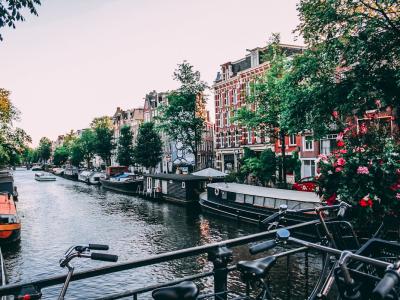
A visit to Delft is not complete without Royal Delft, the last of the original Delftware factories. Visitors can watch artists hand-paint the blue designs, learn how the craft developed and browse the museum and shop. Delft’s canals are best seen by boat, which gives a new perspective on the architecture and daily life of the city. Agnetapark, a historic garden district laid out in the 19th century for factory workers, is a peaceful area on the edge of the centre.
The Delft University of Technology brings thousands of students to the city, which gives the cafes, bars and events a youthful energy. Kobus Kuch, on the Beestenmarkt, is one of the cafes that fill with students and visitors in the evening. Weekly markets, food festivals and open-air concerts ensure that something is always going on.
Getting to Delft is easy, with direct trains from Amsterdam, Rotterdam and The Hague. The compact centre is best explored on foot or by bike, and boat rentals are available for canal trips. Parking is available on the edge of the old town, with bike paths and buses leading to the centre.
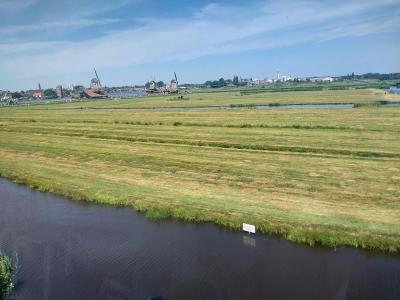
The best time to visit Delft is from May to September, when the weather is mild and the gardens, terraces and outdoor events are at their best. Spring brings blooming tulips in the surrounding country and lively markets, while summer and early autumn offer long days and a festive atmosphere.
Whether the interest is art, history or the simple pleasure of wandering along canals, Delft is a rewarding Dutch city.
Best time to visit
May to September offers mild weather, blooming gardens, and ideal conditions for exploring Delft’s canals, museums, and historic streets.
What to see in Delft
Our picks first.
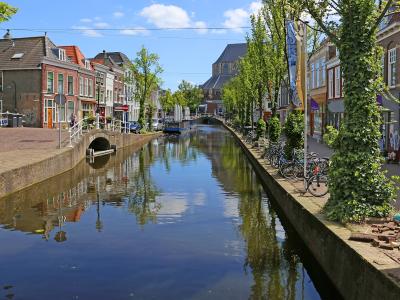
Canal boat tour
Guided electric canal cruise through historic Delft
Activities & Adventure · Urban Exploration

Historic Market Square (Markt)
Historic Dutch square with 17th-century architecture
Cultural Experiences · Urban Exploration

Vermeer museum
Museum dedicated to Vermeer’s life and Delft art
Cultural Experiences · History & Heritage
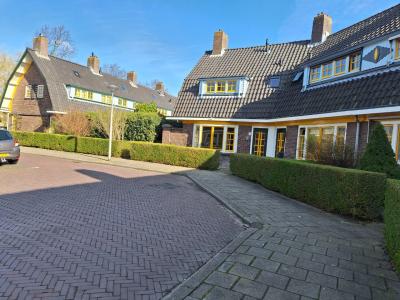
Agneta Park
Historic garden village with lush green spaces
Activities & Adventure · Natural Wonders
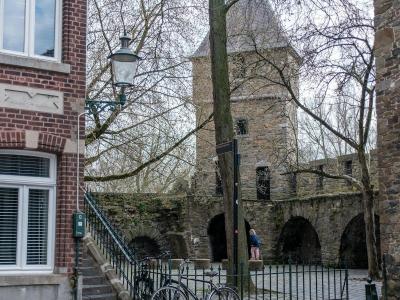
Kobus Kuch
Dutch café with diverse meals and late hours
Cultural Experiences
Delft by interest
The same sights, grouped by what you came for.
Did you know?
Checked facts about Delft, each with its source.
-
Notable Person
Vermeer's Hometown
The painter Johannes Vermeer was born in Delft and worked there all his life.
Source: Johannes Vermeer - Wikipedia -
Record
Delft's Last Delftware Factory Has Run Since 1653
Of the 32 potteries that sprang up in Delft during the 17th-century craze for Chinese-style blue-and-white ceramics, exactly one survives: De Porceleyne Fles, founded in 1653. Better known today as Royal Delft, it earned the right to add "Koninklijke" (Royal) to its name from the Dutch royal house in 1919. More than 370 years on, it still produces hand-painted Delft Blue in the city — and you can tour the factory to watch painters at work.
Source: Wikipedia — Royal Delft
Planning a visit to Delft
Itineraries that include Delft
Good to know
- Currency
- EUR
- Language
- Dutch