







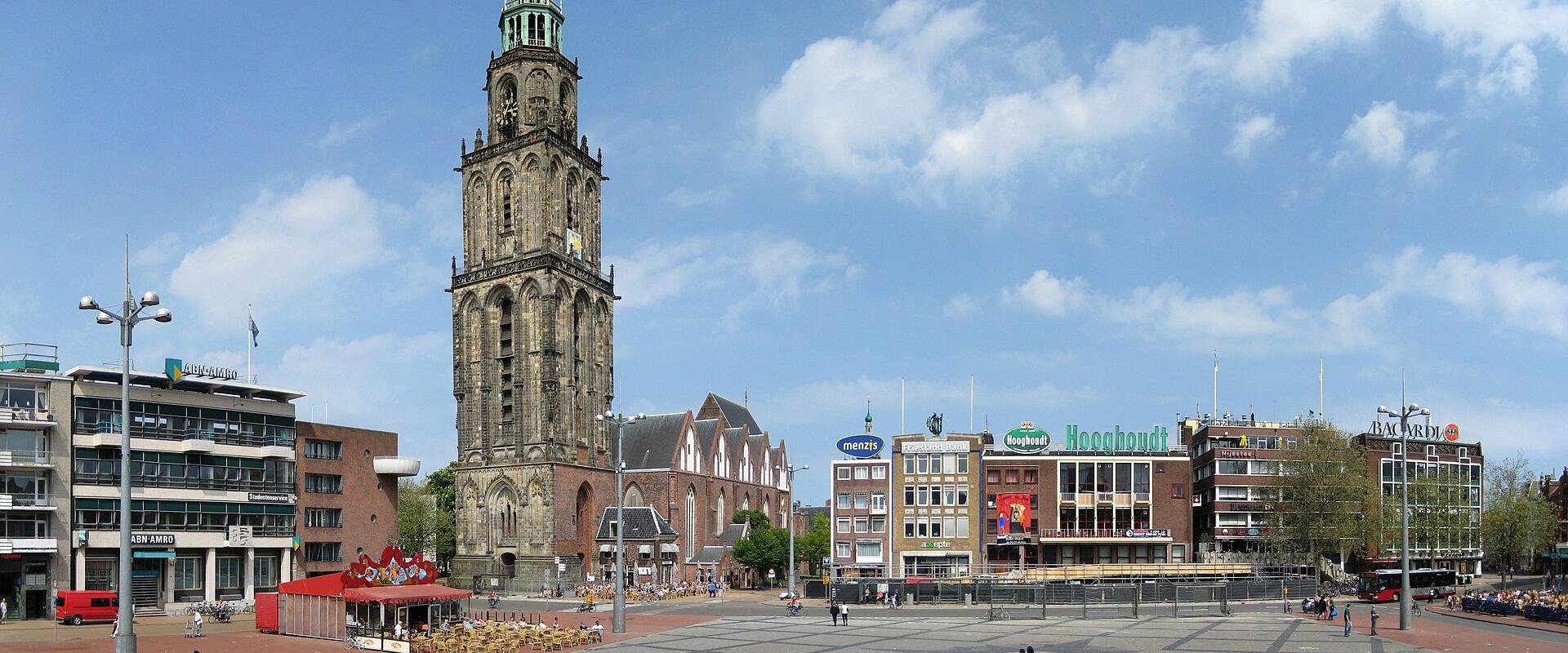
Groningen is the largest city in the northern Netherlands, a place where history, student life and a taste for design sit comfortably together. It was first recorded around the year 1000, and in the later Middle Ages it grew rich as a trading centre at the junction of rivers and canals, joining the Hanseatic League in the 13th century. Traces of that medieval past can still be seen in the layout and architecture of the old centre. The University of Groningen, founded in 1614, has shaped the city ever since, and students now make up roughly a quarter of the population.
The Grote Markt, the main square, is surrounded by historic buildings, busy cafes and the Martini Tower. Dating from the 15th century, the Martini Tower is the city’s best-known landmark and offers panoramic views over rooftops, canals and the surrounding farmland. A short walk away, the Groninger Museum stands out with its bold, colourful contemporary architecture, and its exhibitions range across modern and classical art, design and local history. Forum Groningen, the large modern cultural building near the Grote Markt, houses a library, cinema and exhibition space, and its roof terrace gives another viewpoint.
The status of university city is central to Groningen’s character. The presence of so many young people fills the city with energy and creativity and supports a lively cultural scene, with theatres, music venues and festivals throughout the year. The nightlife has a reputation as one of the best in the country, with bars and clubs open late, especially around the Poelestraat and the Peperstraat. For quieter evenings, brown cafes and small restaurants line the old lanes.
Beyond the centre, Groningen is a gateway to the northern countryside. Visitors can explore the hofjes, quiet courtyards of almshouses tucked behind plain doors, cycle along canals, or head into the province to find traditional villages, windmills and the borgen, the moated manor houses typical of the region. The Noorderplantsoen, a large landscaped park on the edge of the old centre, is a peaceful retreat with ponds and paths, and a favourite place for locals to relax in summer.
The city is known for its innovative spirit and for sustainability. It is extremely bike-friendly, with excellent cycling infrastructure and a compact layout that makes it easy to get around on two wheels, and large parts of the centre are closed to cars. Markets add to the pleasure of the city: the Vismarkt and the Grote Markt offer fresh produce, flowers and regional specialities, and give a taste of northern Dutch life.
Getting to Groningen is straightforward, with direct train connections from Amsterdam, Utrecht and other major Dutch cities, and a well-developed public transport network. Once in the city, most attractions are within walking or cycling distance, and bike rentals are widely available.
The best time to visit Groningen is from late June to late August, when the weather is warm and the outdoor terraces, festivals and green spaces are at their best. Spring and early autumn also offer pleasant conditions, with fewer crowds and a full programme of cultural events. Winter has its own appeal, with a cosy cafe scene and a more local feel.
Whether the interest is history, art, student life or the beauty of the northern Dutch landscape, Groningen offers a lively and varied visit.
Best time to visit
Late June to late August offers warm weather, lively festivals, and outdoor activities, ideal for exploring Groningen’s city life and surrounding countryside.
What to see in Groningen
Our picks first.

Groningen's Old Town District
Historic heart of Groningen within Diepenring
Urban Exploration · Historic Districts

Groninger Museum
Colorful modern art and architecture in Groningen
Cultural Experiences · Art Museums
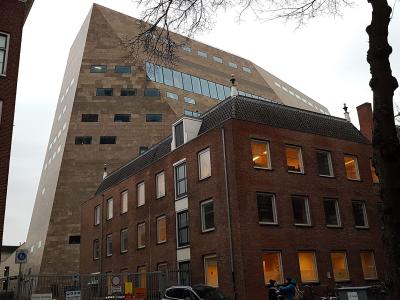
Forum
Cultural hub with library, cinema, and views
Cultural Experiences

Lively markets
Historic squares buzzing with local trade
Food & Gastronomy · Urban Exploration
Groningen by interest
The same sights, grouped by what you came for.
Did you know?
Checked facts about Groningen, each with its source.
-
Notable Person
Birthplace of 39 Notable Historical Figures
Groningen is the documented birthplace of 39 historically significant people, including leaders, artists, scientists, and athletes.
Source: pantheon.world
Planning a visit to Groningen
Itineraries that include Groningen
Good to know
- Currency
- EUR
- Language
- Dutch
Quick Facts
Book your stay
Questions people ask
More places in Groningen
Groningen
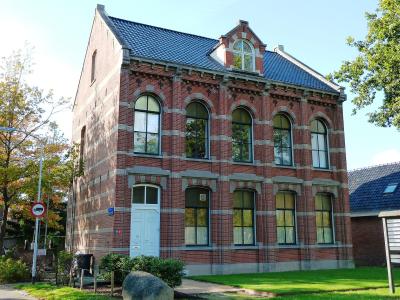
Zuidhorn
Groningen countryside town with parks, cycling, and local culture
Groningen
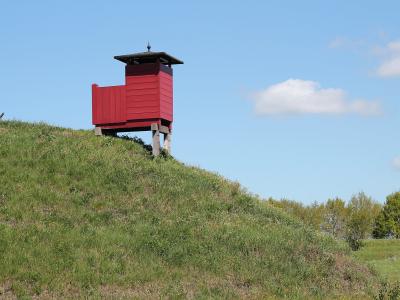
Bourtange
Historic star-shaped fortress village on the Groningen border
Groningen
Lauwersmeer
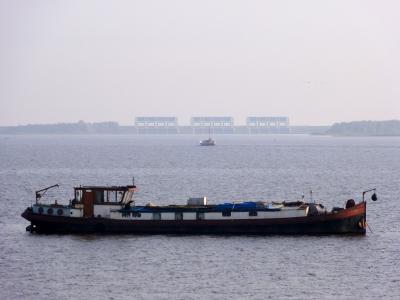
National park with mudflats and wildlife in Groningen
Groningen
Appingedam
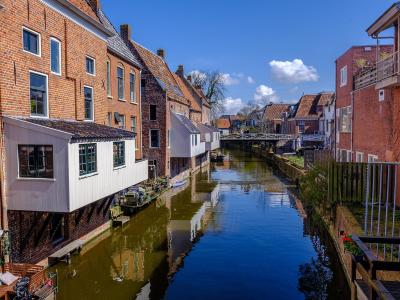
Medieval canals, hanging kitchens, and northern Dutch charm