Texel is the largest of the Dutch Wadden Islands, a place where natural beauty, island culture and outdoor recreation come together. It has about 13,600 residents and is known for its wide sandy beaches, which run for about 30 kilometres along the North Sea coast, backed by dunes and nature reserves that shelter wildlife and give visitors plenty of space to explore. The island’s history is shaped by its maritime past, by sheep farming and by its position at the gateway to the Wadden Sea. The Texel sheep, a breed now found around the world, comes from here.
The appeal of Texel lies in its varied landscapes. The Dunes of Texel National Park covers much of the west side of the island, with a mix of dunes, woodland, heath and wetland. Marked cycling and walking trails cross the park, leading to birdwatching hides, wildflower meadows and quiet beaches. The northern tip of the island is marked by the red Eierland Lighthouse, known as the Texel Lighthouse, which can be climbed for views of the sea, sandbanks and neighbouring islands. The eastern side of the island is bordered by mudflats and salt marshes that belong to the UNESCO-listed Wadden Sea, an important stopover for migrating birds.
Texel’s villages combine traditional charm with modern facilities. Den Burg, the main town, has shops, cafes and the Texel Museum, which explores local history and culture. De Koog is the main beach resort, busy with restaurants, bars and surf shops, while Oudeschild is the island’s fishing harbour, where visitors can eat fresh seafood or join a seal-watching boat trip. The Texelse Bierbrouwerij, the Texel Brewery, is a popular stop for craft beer lovers, with tastings and tours.
Texel is also good for outdoor activities. Cycling is the most popular way to see the island, with well over 100 kilometres of bike paths that link beaches, forests and villages. Horse riding, kitesurfing, sailing and golf are also on offer, and nature lovers can join guided walks and birdwatching trips. Ecomare, the nature centre and seal sanctuary near De Koog, has educational exhibits and close views of seals and other marine animals, and it is a favourite with families. Climb Valley, an adventure park, Karting Texel and skydiving give more active choices.
The island’s calendar includes food festivals, sheep-shearing events, art fairs and concerts. Texel’s food draws on local produce, with lamb, cheese, seafood and craft beer on many menus, and markets and farm shops sell the island’s produce, including fruit and flowers that visitors can pick themselves.
Getting to Texel is easy. Ferries run regularly from Den Helder on the mainland, and the crossing takes about 20 minutes. On the island, public buses, taxis and bike rentals make it simple to get around, and many visitors bring their own bikes or cars on the ferry for the most flexibility.
The best time to visit Texel is from June to September, when the weather is warm, the beaches are lively and the island’s nature is at its best. Spring brings wildflowers and lambs, while autumn is quieter and good for birdwatching. Winters are peaceful, with fresh sea air and cosy cafes that give a different kind of island charm.
In short, Texel combines island adventure, natural beauty and Dutch hospitality. Whether cycling through the dunes, relaxing on the beach or exploring the old villages, visitors will find a memorable and restorative escape on the edge of the Wadden Sea.
Best time to visit
June to September offers warm weather, lively beaches, and ideal conditions for cycling, hiking, and exploring Texel’s dunes and nature reserves.
What to see in Texel
Our picks first.
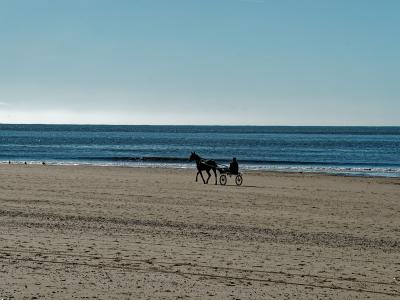
Horseriding
Beach and forest horse rides on Texel island
Activities & Adventure
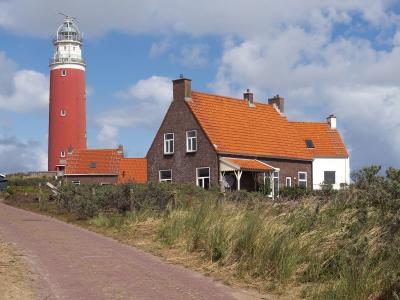
The lighthouse of Texel
35m lighthouse with sea views from several directions
Coastal & Maritime · Natural Wonders

Dunes of Texel National Park
Diverse dune landscapes and rich bird habitats
Beaches · Hiking Trails

Beaches of Texel
Expansive sandy shores accessible by bike or car
Beaches

Ecomare
Marine rescue and Wadden Sea wildlife center
Coastal & Maritime · Zoos & Aquariums

Pick your own fruit and flowers
Pick your own fruit and flowers in Texel’s food forest
Activities & Adventure · Natural Wonders

Watersports (kitesurfing)
Versatile kitesurfing at Texel’s Paal 9 beach
Activities & Adventure · Coastal & Maritime
Texel by interest
The same sights, grouped by what you came for.
Did you know?
Checked facts about Texel, each with its source.
-
History
Texel Hosted One of Europe's Last WWII Battles
In April 1945, hundreds of Georgian soldiers conscripted into the German Wehrmacht's 822nd Infantry Battalion "Königin Tamara" rose up against their German commanders on Texel. The brutal island battle raged from 5 April to 20 May 1945 — continuing nearly two weeks after Germany's official surrender on 8 May — and ended only when Canadian troops landed to disarm the remaining German forces. Around 565 Georgians and some 120 Texel islanders were killed, along with hundreds of Germans (older accounts say over 800; recent Dutch military-history research puts it closer to 360), and the fallen Georgians are still honored at a dedicated cemetery on the island.
Source: Wikipedia
Planning a visit to Texel
Good to know
- Currency
- EUR
- Language
- Dutch