







- Where
- Texel, Holland
- Directions
- Directions
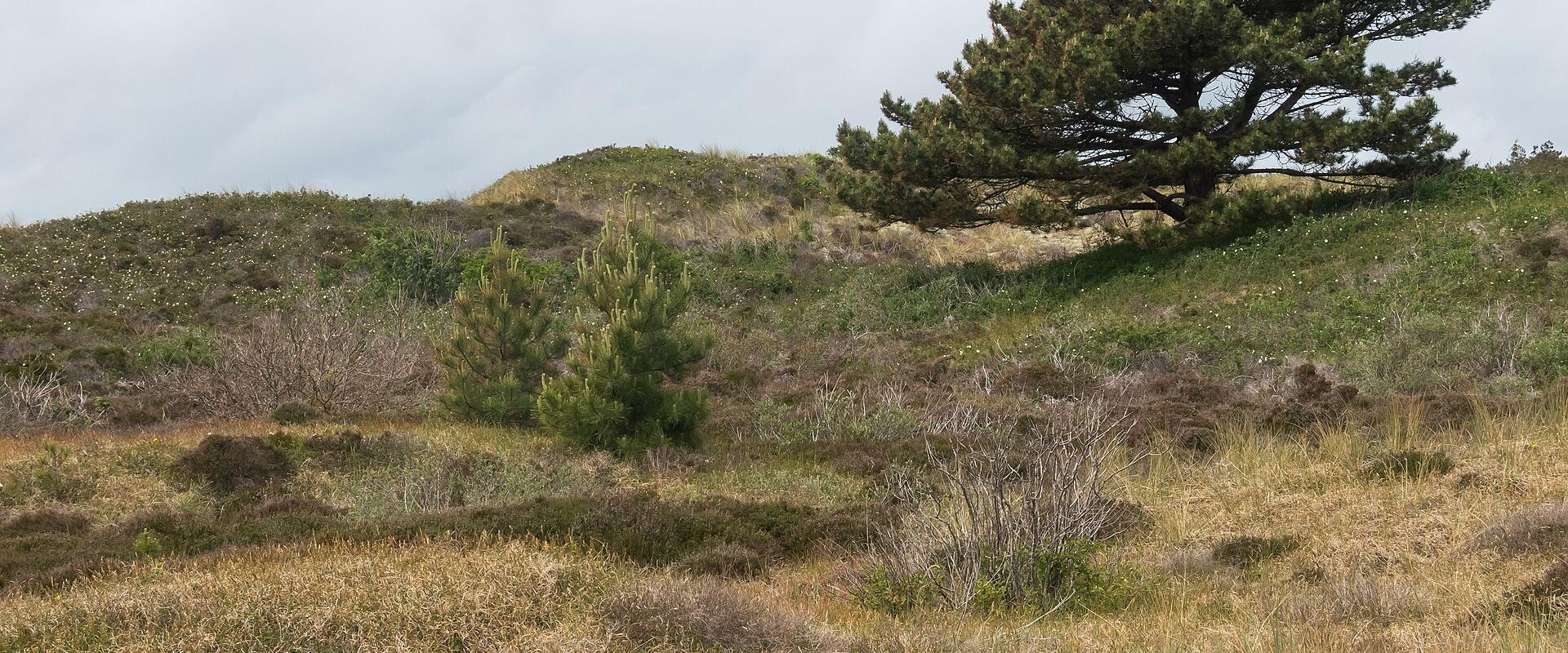
The Dunes of Texel National Park covers a large part of the western and northern coast of Texel, the largest of the Dutch Wadden Islands, and it is one of the most varied nature areas in the country. It was established as a national park in 2002, and it protects about forty-three square kilometres of dunes, forest, heath, salt marsh and beach. The landscape changes every few kilometres, from bare sand and marram grass near the sea to wooded dunes, damp valleys and heath further inland, which is a lot of variety for an island of this size.
The dunes are young, formed by wind-blown sand after the Middle Ages, and they were shaped by people as well as by nature, through grazing, planting and sand drift control. The result is a patchwork that supports many specialised plants and animals. Cranberries grow wild in the damp dune valleys, orchids appear in spring and the heath comes into bloom later in the year. Hares and rabbits are common, and with luck you may see seals on the sandbanks along the coast, and porpoises offshore. Walking in the dunes in the early morning or evening gives the best chances of seeing wildlife.
Birds are the main attraction. The park contains several areas that are of particular interest. De Slufter is a salt marsh created where the sea can flow in through a gap in the dunes, which gives it a unique character and a rich plant life, and it is a good place to see waders and migrants. De Muy and De Geul are breeding areas for spoonbills and other birds, and the Mokbaai salt marsh on the southern edge of the park is a prime spot for migratory birds in spring and autumn. Many areas are protected during the breeding season, so keep to marked paths and observe signs. Binoculars and a field guide add a great deal to a visit.
A network of marked walking and cycling routes covers the park, and the paths range from short strolls to long hikes. Ecomare, the visitor centre and seal sanctuary near De Koog, lies within the park and provides information about the dunes and the Wadden Sea, which is a UNESCO World Heritage site. The beaches of Texel run along the western edge, and the lighthouse of Texel is at the northern tip. Other activities on the island include horse riding, kitesurfing and picking fruit and flowers at local farms.
The park suits walkers, cyclists, birdwatchers, photographers and families. Spring and autumn are good for birds, summer for the beach and heath, and winter for storms and solitude. Bring waterproof clothing, as the weather changes quickly, and plan for a half-day or a full day.
Categories
More photos coming soon
Nearby Attractions
Other places to visit in Texel
Horseriding
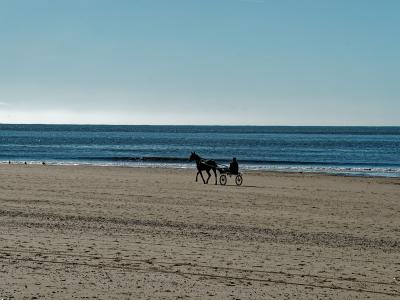
Beach and forest horse rides on Texel island
Activities & Adventure

Beaches of Texel
Expansive sandy shores accessible by bike or car
Beaches

Ecomare
Marine rescue and Wadden Sea wildlife center
Coastal & Maritime · Zoos & Aquariums

Pick your own fruit and flowers
Pick your own fruit and flowers in Texel’s food forest
Activities & Adventure · Natural Wonders
Questions people ask
Quick Facts
Best Time to Visit
June to September offers warm weather, lively beaches, and ideal conditions for cycling, hiking, and exploring Texel’s dunes and nature reserves.