







- Where
- Texel, Holland
- Directions
- Directions
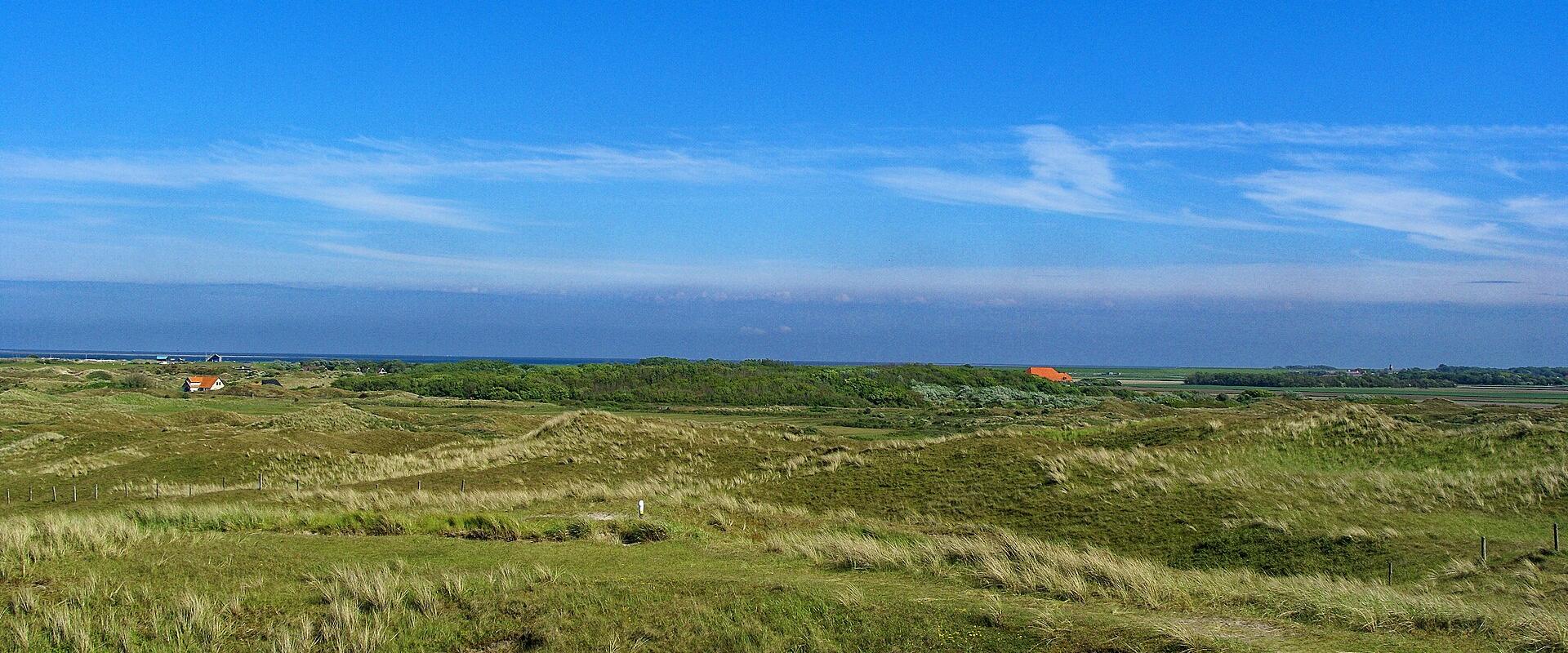
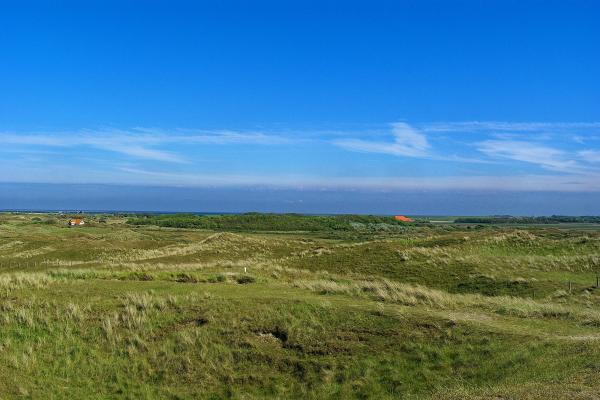
Texel is the largest and most westerly of the Dutch Wadden Islands, and its west coast is lined with a long, broad beach of fine sand that stretches for around thirty kilometres. Behind it rises a belt of dunes, part of the Dunes of Texel National Park, and the combination of wide sand, big skies and sea air is the main reason that the island is a popular holiday destination. The beaches are free to enter, and they are reached from the villages by roads and cycle paths that cross the dunes.
The beach is marked by numbered poles, a system used on several Dutch islands to help visitors find their position. Poles near De Koog, the island's main resort, are the busiest, with beach pavilions offering food, drink and activities, and families gather there in summer. Paal 17 is among the best-known spots. Further north and south the beach is quieter, and at some points you can walk for long stretches without meeting many people. Each section has a different feel, from lively terraces to empty sand with only gulls and sandpipers for company.
The water is part of the North Sea, so it is cold even in summer, and currents and tides can be strong. Swimmers should take note of flags and warnings where lifeguards are on duty, and should avoid swimming alone far from the pavilions. At low tide the beach widens and can reveal shells, razor clams and other treasures, making it a good place for children and collectors. Kitesurfing and other watersports are popular on windy days, especially at the more open beaches.
The island's other attractions complement the beach. Ecomare, a nature centre, cares for seals and porpoises and explains the Wadden Sea environment, and the lighthouse at the northern tip is a landmark with fine views. Riding horses along the shore, picking fruit and flowers at local farms, and cycling through the dunes are other ways to spend a stay. Reaching the island involves a ferry from Den Helder, and bringing a bicycle is the easiest way to get around.
The beaches suit nearly every visitor, from families with small children to walkers and kitesurfers. Wear layers because the wind can be cool, bring sun protection in summer and keep to marked paths in the dunes, which are protected nature areas. Texel’s dune landscape includes the Slufter, a tidal valley where the sea still floods in at high water, and this Nature reserve is a highlight of the national park.
Categories
More photos coming soon
Nearby Attractions
Other places to visit in Texel
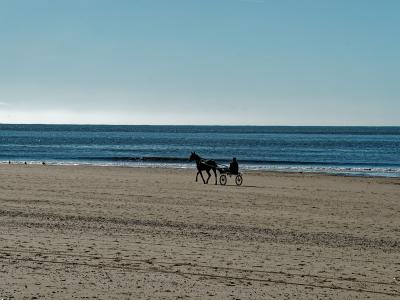
Horseriding
Beach and forest horse rides on Texel island
Activities & Adventure

Dunes of Texel National Park
Diverse dune landscapes and rich bird habitats
Beaches · Hiking Trails

Ecomare
Marine rescue and Wadden Sea wildlife center
Coastal & Maritime · Zoos & Aquariums

Pick your own fruit and flowers
Pick your own fruit and flowers in Texel’s food forest
Activities & Adventure · Natural Wonders
Questions people ask
Quick Facts
Best Time to Visit
June to September offers warm weather, lively beaches, and ideal conditions for cycling, hiking, and exploring Texel’s dunes and nature reserves.