History
Rotterdam’s history is a narrative of destruction, resilience, and reinvention. Unlike other Dutch cities that boast centuries of uninterrupted continuity, Rotterdam was largely flattened during the German bombing of May 1940. This catastrophic event erased much of the medieval and early modern city center, leaving a blank canvas for post-war reconstruction. The city emerged from the ashes with a bold vision, embracing modernism and functionalism to rebuild a metropolis capable of handling its role as a global logistics hub. This historical trauma has shaped a unique urban identity where the past is preserved in specific enclaves, such as the Delfshaven district, while the rest of the city celebrates contemporary innovation.
The city’s economic history is equally defining. As the gateway to Europe, Rotterdam’s port has been the engine of its growth for centuries. The reconstruction era saw the expansion of the harbor, transforming it into the largest port in Europe. This industrial might fueled a multicultural society, attracting workers from around the world. Today, this heritage is visible in the city’s diverse neighborhoods and vibrant arts scene, which reflect a population shaped by migration and global trade. The designation as European Capital of Culture further cemented its status as a city that looks forward, using its history not as a burden, but as a foundation for creative expression.
Main Attractions
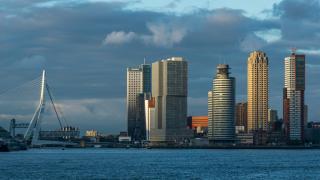
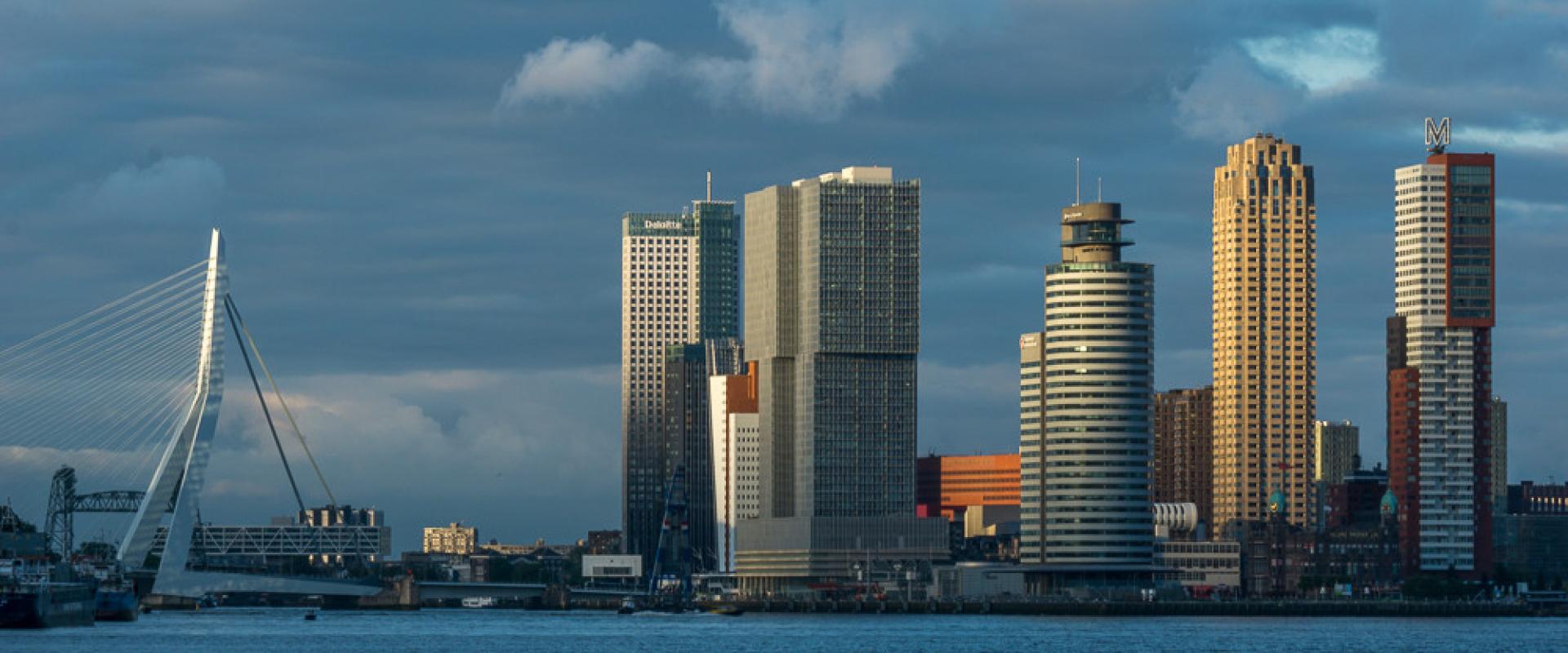
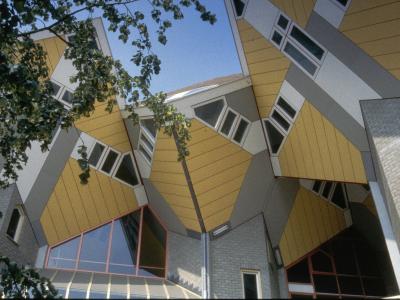
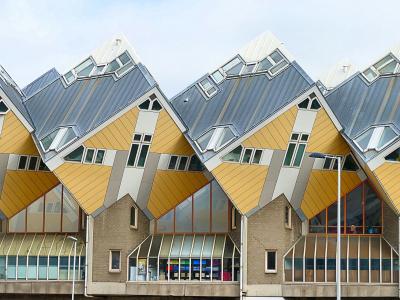
The architectural landscape of Rotterdam is its most striking feature, earning it the nickname "Manhattan of the Netherlands." The Cube Houses, designed by Piet Blom, are iconic geometric structures that house apartments and shops, offering a quirky glimpse into experimental living. Nearby, the Markthal is a massive horseshoe-shaped market hall adorned with a stunning digital art installation on its ceiling, combining culinary delights with visual spectacle. The Erasmus Bridge, or "De Erasmus," is a sleek cable-stayed bridge that serves as a symbol of the city’s modernity, connecting the north and south banks of the Nieuwe Maas river.
For panoramic views, the Euromast stands as the city’s original high-rise landmark. Built in 1960, it offers an interactive history tour and sweeping vistas of the skyline and port. In the Delfshaven district, visitors can step back in time to see surviving 17th-century buildings, including the historic Schiecentrale, which contrasts sharply with the modernist structures elsewhere. The Witte de Withkwartier district is known for its street art, galleries, and cafes, showcasing the city’s vibrant cultural pulse. Additionally, the Maritime Museum and the nearby Portlantis exhibit provide deep dives into the city’s maritime roots and its ongoing relationship with the sea.
Activities
Exploring Rotterdam is best done on foot or by bicycle, given the compact nature of the city center. Walking tours through the Witte de Withkwartier reveal layers of street art and independent boutiques, while a bike ride along the riverfront offers scenic views of the Erasmus Bridge and modern architecture. For a unique perspective, Spido cruises provide a 75-minute boat tour along the Nieuwe Maas, allowing visitors to see the massive container ships and historic shipyards from the water. This activity highlights the scale of the port and the city’s industrial power.
Food enthusiasts can explore the Markthal, where local vendors offer a variety of fresh produce, international cuisine, and Dutch specialties. The city’s multicultural background is reflected in its diverse dining options, from traditional Dutch eateries to global flavors. In the summer, the waterfront areas come alive with outdoor cafes and events, making it an ideal time for leisurely strolls and people-watching. The Diergaarde Blijdorp zoo is another popular activity, featuring themed zones and conservation efforts, housed in a historic 1930s building that adds to its charm.
Getting There
Rotterdam is easily accessible from Amsterdam via direct train services, with the journey taking approximately 40 minutes. The central station is located in the heart of the city, providing convenient access to major attractions. For those driving, Rotterdam is well-connected by major highways, including the A15 and A20, with ample parking available in the city center and at key attractions like the Markthal. Public transportation within the city is efficient, with a comprehensive network of trams, buses, and metro lines operated by RET. Bicycles are widely available for rent, making it easy to navigate the city’s flat terrain.
Best Time to Visit
The best time to visit Rotterdam is from May to September, when the weather is mild and conducive to outdoor activities. During these months, visitors can enjoy long days for exploring the city’s architecture, cycling along the riverfront, and attending outdoor festivals. The summer months bring a vibrant atmosphere to the city, with numerous cultural events and markets taking place. While the city is beautiful year-round, the pleasant weather of late spring and early autumn offers the most comfortable conditions for sightseeing. Winter visits offer a quieter experience, with the city’s lights and indoor attractions providing a cozy alternative to the cold weather.
Best time to visit
May through September offers mild temperatures and longer daylight hours for optimal sightseeing and outdoor activities.
What to see in Rotterdam
Our picks first.

Delfshaven
Historic departure point of the Pilgrim Fathers
Coastal & Maritime · History & Heritage

Erasmus Bridge (De Erasmus)
Iconic 139m pylon bascule bridge over the Nieuwe Maas
Free Monuments · Promenades
Kijk-Kubus Museum
Interactive children's museum in Rotterdam
History & Heritage · Urban Exploration
Botanical Conservatory (Kunsthal)
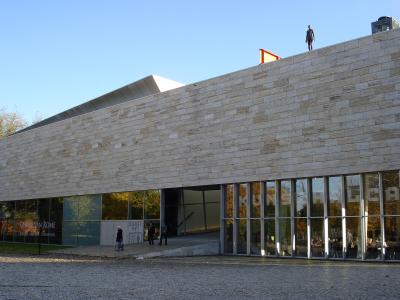
Contemporary art museum in Rotterdam
From €12 Art Museums · Guided Tours
Cube Houses (Kijk-Kubus)
Inclined cube houses by Piet Blom
Cultural Experiences · Urban Exploration

Euromast
185-meter observation tower with revolving restaurant
From €10 History & Heritage · Natural Wonders

Kunsthal
Rotterdam contemporary art venue with cashless admission
From €12 Art Museums · Guided Tours

Markthal
Rotterdam's largest indoor market hall
Free City Centers · Local Markets

Rotterdam Central Station
Rotterdam's main railway hub near the city centre
Coastal & Maritime · Urban Exploration
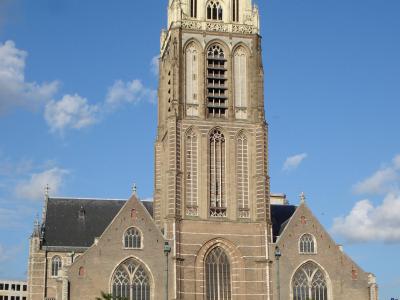
St. Lawrence Church (Sint-Laurenskerk)
Rotterdam's only remaining late Gothic church
From €4 Guided Tours · Historic Churches

Witte de Withstraat
Historic street turned cultural hub for art and dining
Free Cultural Experiences · Food & Gastronomy

Boijmans Van Beuningen Depot
World's first publicly accessible art storage facility
Art Museums · Guided Tours
Rotterdam by interest
The same sights, grouped by what you came for.
Did you know?
Checked facts about Rotterdam, each with its source.
-
History
Rotterdam Began Planning Its Rebuild Four Days After Bombing
On 14 May 1940 German bombers destroyed Rotterdam's inner city. Only four days later the city began drawing up a reconstruction plan under engineer W.G. Witteveen, and on 24 May some 25,000 homes and ruins were expropriated in one go so the centre could be rebuilt quickly. Instead of restoring the old streets, Rotterdam rebuilt in a modern way, which is why its centre today looks so different from Amsterdam's preserved canals.
Source: Binnenlands Bestuur
Upcoming here
Events in Rotterdam, with dates checked against each organiser.
-
28 Jan – 7 Feb 2027
Arts · Rotterdam
International Film Festival Rotterdam
Eleven days of film in Rotterdam at the turn of January and February, including world premieres. Check the 2027 programme and build a winter city break around the screenings you want.
-
9 Jul – 11 Jul 2027
Music · Rotterdam
NN North Sea Jazz Festival
Three days at Rotterdam Ahoy, with far more than the name suggests: blues, soul, funk, hip hop and R&B share the bill with jazz. Check the line-up as it's announced before choosing your tickets.
-
3 Sep – 5 Sep 2027
Festival · Rotterdam
Wereldhavendagen
Rotterdam's working port opens to the public for a weekend of unusual ships, harbour trips and shows on the water. 2027 is the 50th edition.
Planning a visit to Rotterdam
Itineraries that include Rotterdam
Good to know
- Currency
- EUR
- Language
- Dutch