Planning Around the Festival Calendar
Dutch summers are packed with festivals, from huge rock and dance events to theatre on islands and street parties in city centres. Most of the big festivals fall on fixed weekends each year, sell out well in advance and are held on purpose-built sites outside cities, so planning ahead matters. This guide runs roughly in calendar order from June to early September. Dates below reflect the usual pattern; always confirm the current year's dates on the official festival sites before booking travel.
June: Rock, Theatre and Motorbikes
Pinkpop in Landgraaf, South Limburg, is the country's oldest annual pop festival, held since 1970. It takes place over three days in mid to late June and books major international rock and pop acts. Many visitors camp on site.
Oerol turns the Wadden island of Terschelling into a ten-day stage in June, with theatre, music and landscape art performed in dunes, forests, barns and on beaches. Ferries run from Harlingen, and both ferry tickets and island accommodation should be booked early.
Holland Festival in Amsterdam runs through June with international theatre, dance, opera and music at venues across the city.
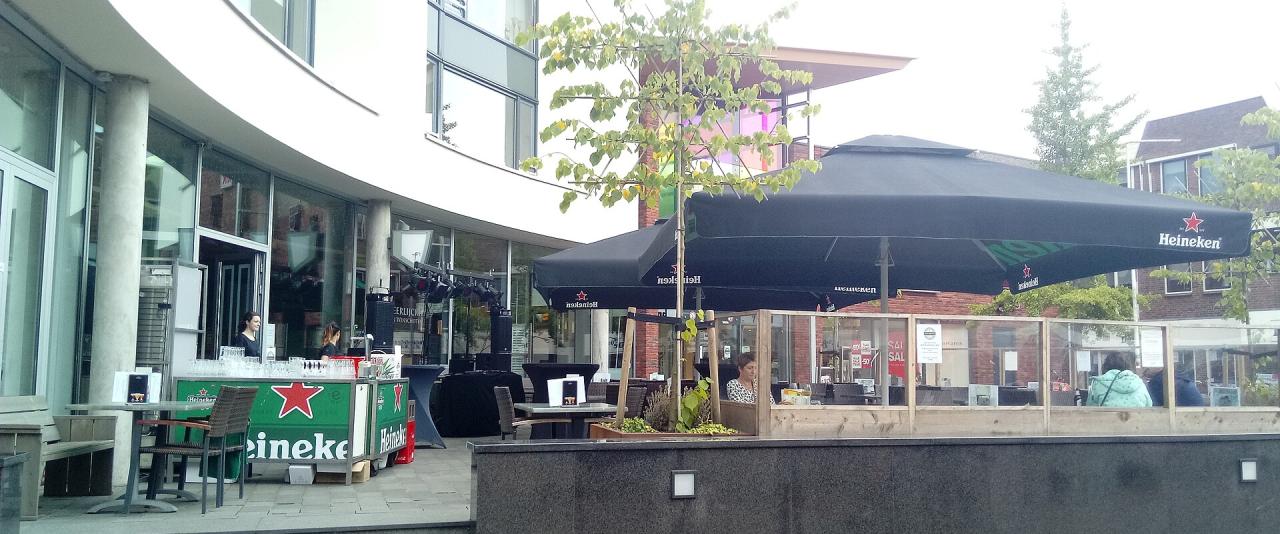
TT Festival, Assen. In the week before the Dutch MotoGP race at the TT Circuit Assen, usually at the end of June, the centre of Assen fills with music stages, motorbike events and terraces. Much of the city-centre programme is free, including the Friday-evening ride of motorcycles through town.
July: Jazz, Freedom and Fields
Down The Rabbit Hole is a three-day music festival in early July at De Groene Heuvels, a lakeside holiday park near Beuningen in Gelderland, with a mix of indie, pop and hip-hop.
North Sea Jazz takes over Rotterdam Ahoy on the second weekend of July. Despite the name, the line-up covers soul, funk, R&B and hip-hop as well as jazz, across many indoor stages. Ahoy is easy to reach by metro from Rotterdam Centraal.
Keti Koti on 1 July marks the abolition of slavery in Suriname and the Dutch Caribbean. In Amsterdam, a national commemoration in Oosterpark is followed by a festival with music and Surinamese food, and events take place in other cities too.
Late July and August: Pride and the Big Weekenders
Pride Amsterdam runs over several days around late July and early August. Its best-known event, the Canal Parade, sees decorated boats sail through the city's canals while crowds watch from the quays and bridges. Arrive early for a good spot.
Lowlands in Biddinghuizen, Flevoland, is one of the country's biggest festivals, held over three days in the second half of August. It combines rock, pop, dance and hip-hop with theatre, comedy and film. Tickets typically sell out quickly.
Several large dance festivals also take place in summer, including Defqon.1, the hardstyle festival in Biddinghuizen in June.
Early September: A Last Burst of Colour
Bloemencorso Zundert, held on the first Sunday of September in Zundert, North Brabant, is described as the world's largest flower parade made entirely of dahlias. Neighbourhood teams spend months building giant floats and cover them in millions of dahlias in the final days before the parade, so the flowers are fresh. Zundert is also Vincent van Gogh's birthplace.
Weather and What to Pack
Dutch summer weather is changeable. Warm, sunny days are common, but so are cool evenings, strong wind and sudden showers, sometimes all in one day. For outdoor festivals:
- A light waterproof jacket is essential, even if the forecast is good.
- Sunscreen and a hat matter on open festival fields with little shade.
- Layers for the evening. Temperatures drop quickly after sunset, especially near the coast and on the islands.
- Comfortable, waterproof footwear. Rain turns grass sites to mud fast.
- Earplugs, particularly for children and for long days near main stages.
Practical Tips
- Buy tickets early. Pinkpop, Lowlands and Oerol accommodation in particular can sell out months ahead.
- Expect cashless payment. Many festivals are card- or token-only, so bring a bank card that works for contactless payment.
- Use public transport. Most big festivals run shuttle buses from the nearest stations, and parking is limited and often paid.
- Respect the neighbours. City-centre events have strict noise and closing-time rules; outside the official programme, keep it quiet in residential streets.