







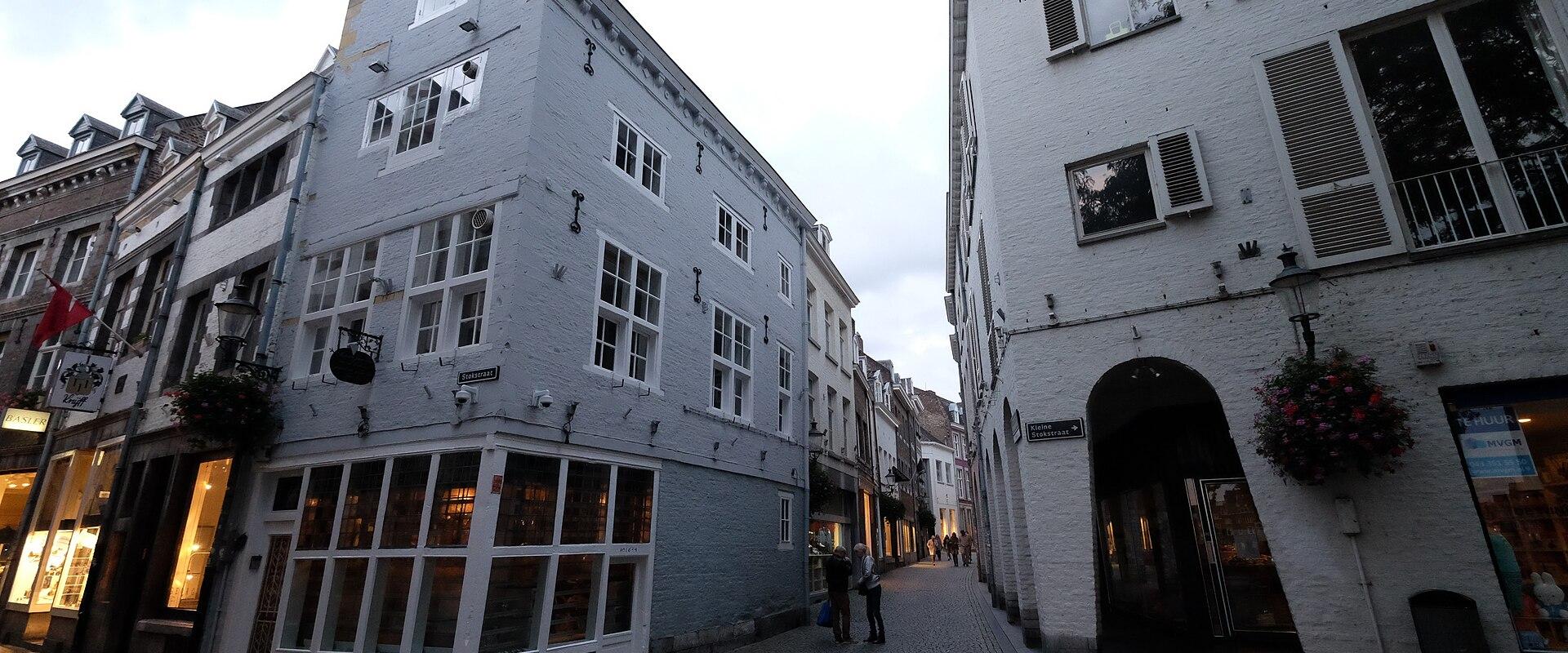
Maastricht, the capital of Limburg, is one of the Netherlands’ oldest and most cosmopolitan cities. Its history goes back to Roman times, when the crossing over the Meuse River gave a settlement its name, Mosae Trajectum, the “crossing of the Meuse”. Over the centuries Maastricht developed as a centre of trade, religion and culture, leaving a cityscape of medieval churches, merchant houses and remnants of old fortifications. The city’s international character comes from its position at the meeting point of the Netherlands, Belgium and Germany, which has produced a blend of languages, cuisines and traditions. The Maastricht Treaty, which created the European Union in its present form, was signed here in 1992.
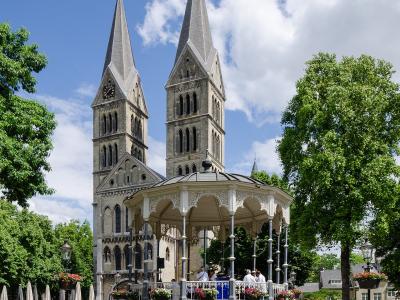
The core of Maastricht is its old town, where visitors can wander through narrow lanes and over stone bridges to lively squares such as the Vrijthof and the Onze Lieve Vrouweplein. The skyline is shaped by the Basilica of Saint Servatius, one of the oldest churches in the Netherlands, and the Basilica of Our Lady, a Romanesque church with a quiet cloister. The Gothic Sint-Janskerk, with its red tower, stands beside the Servatius church. The Treasures of Saint Servatius, in the basilica’s museum, are among the most important medieval church treasures in northern Europe. The fortifications, including the Helpoort, or Hell’s Gate, the oldest surviving city gate in the country, and stretches of the medieval wall, show Maastricht’s defensive past.
One of the city’s most unusual attractions is its extensive network of underground caves and tunnels, carved from limestone over centuries. Guided tours of the Sint-Pietersberg caves and the North Caves tell stories of wartime shelter, art storage and secret passages. Above ground, Fort Sint Pieter, built in the early 18th century, gives panoramic views over the city and countryside.
Maastricht is also a city of culture and food. The Bonnefanten Museum shows contemporary art and old masters in a striking building by the river, and smaller galleries and studios fill the creative districts. The city is known for its cafe culture, Michelin-starred restaurants and busy markets, where visitors can try local specialities such as Limburgse vlaai, a fruit tart, and regional wines. One of the best-known bookshops in the world is housed in a former Dominican church. The annual TEFAF art fair and a calendar of festivals, concerts and open-air events ensure that something is always happening, and Carnival is celebrated with great enthusiasm.
Outdoor enthusiasts can walk and cycle along the Meuse River, explore the nearby hills and vineyards or take boat trips to see the region’s natural beauty. The compact centre is best explored on foot or by bike, and the efficient public transport system makes it easy to reach surrounding attractions and neighbouring countries, with the hills of the Dutch Heuvelland a short ride away.
Getting to Maastricht is straightforward, with direct train connections from Amsterdam, Utrecht and Brussels, and good road links to Belgium and Germany. The city is also served by Maastricht Aachen Airport, which has flights to several European destinations.
The best time to visit Maastricht is from May to September, when the weather is mild and the terraces, festivals and outdoor attractions are at their best. Spring brings blossom and busy markets, while summer and early autumn offer long days and a festive atmosphere.
Whether the interest is history, art, food or the cosmopolitan spirit of a border city, Maastricht offers a rich and varied Dutch visit.
Best time to visit
May to September offers mild weather, lively festivals, and ideal conditions for exploring Maastricht’s old town, caves, and riverside attractions.
What to see in Maastricht
Our picks first.

Basilica of Our Lady
Romanesque basilica with 15th-century Mary statue
Cultural Experiences · History & Heritage
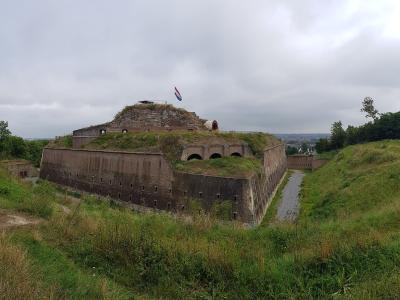
Fort Sint Pieter and the Caves of Maastricht
17th-century fortress with extensive underground caves
History & Heritage · Fortresses
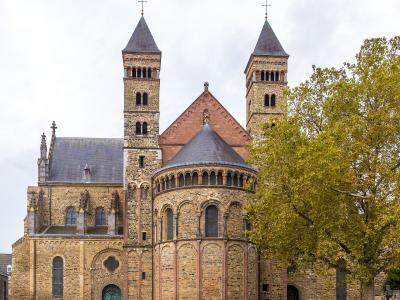
Treasures of Saint Servatius
Oldest Dutch basilica with Europe's richest treasury
Cultural Experiences · History & Heritage
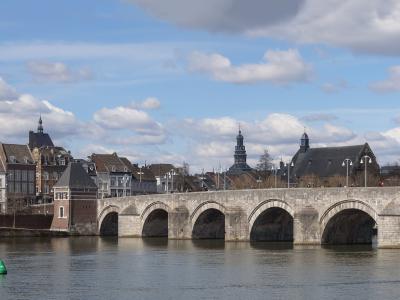
Wilhelminabrug and St. Servaasbrug Bridges
Wilhelminabrug: 1930s steel bridge over the Maas St. Se...
Urban Exploration · Historic Districts
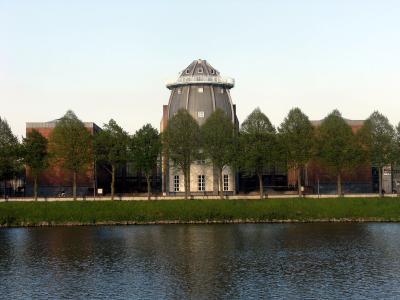
Bonnefanten Museum
Iconic Aldo Rossi museum with old masters and contemporar...
Cultural Experiences · History & Heritage
Maastricht by interest
The same sights, grouped by what you came for.
Did you know?
Checked facts about Maastricht, each with its source.
-
Film & TV
Home of Flikken Maastricht
The Dutch police procedural TV series 'Flikken Maastricht' has been filmed in the city since 2007, using Maastricht exteriors as its primary setting.
Source: www.imdb.com -
History
Maastricht Treaty Signed Here
The Treaty on European Union, commonly known as the Maastricht Treaty, was concluded in this city in 1992. This foundational treaty established a new stage in European integration, introducing shared European citizenship and provisions for the single currency.
Source: en.wikipedia.org -
History
Most Heritage Buildings in NL
Maastricht contains 1,677 national heritage buildings (rijksmonumenten), which is more than any other Dutch city outside of Amsterdam.
Source: en.wikipedia.org
Planning a visit to Maastricht
Itineraries that include Maastricht
Good to know
- Currency
- EUR
- Language
- Dutch
Quick Facts
Book your stay
Questions people ask
More places in Limburg
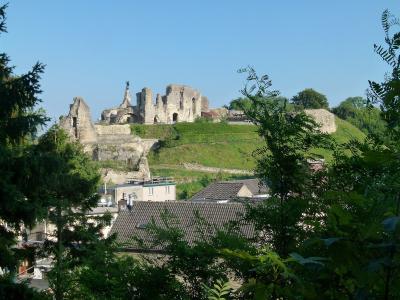
Limburg
Valkenburg aan de Geul
Limestone caves, castle ruins, and hilly Limburg scenery
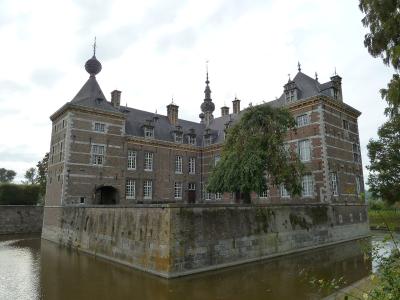
Limburg
Eijsden
Castle village on the Maas with riverside charm and Limburg hills
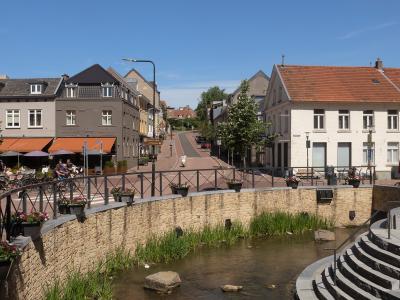
Limburg
Gulpen
Hilly Limburg village with brewery, hiking, and valleys
Limburg
Roermond
Historic Limburg city with cathedral and outlet shopping