







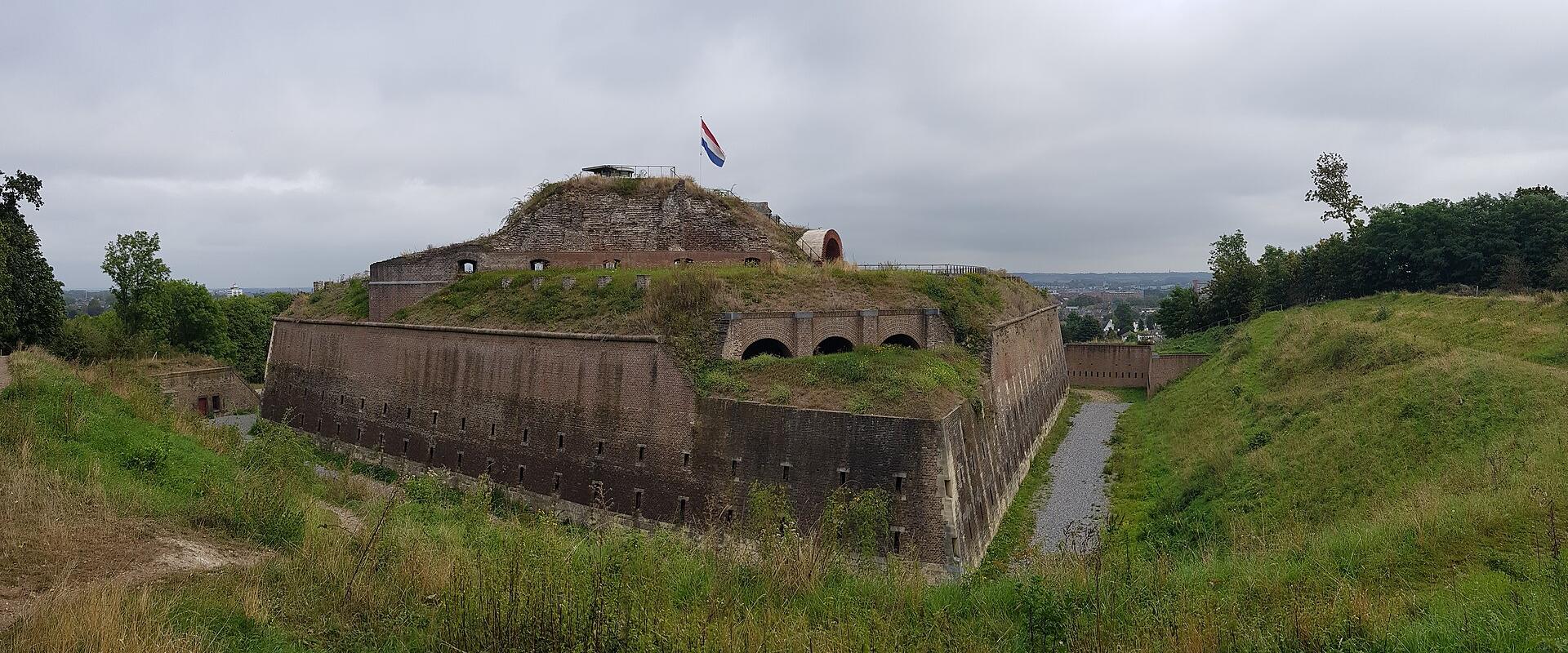
Fort Sint Pieter and the Caves of Maastricht
17th-century fortress with extensive underground caves
- Where
- Maastricht, Limburg
- Directions
- Directions
Fort Sint Pieter stands on the Sint Pietersberg, the hill that rises just south of Maastricht, and below it lies a vast network of man-made caves. Together they make one of the most unusual excursions in the Netherlands, because they link military architecture on the surface with a hidden underground world that has been used for many different purposes. The fort offers wide views over the Maas valley and the city, and a guided tour takes visitors down into the dark to see what lies beneath.
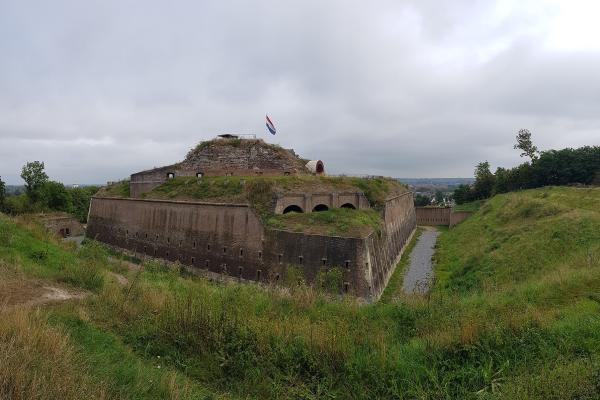
The fort is a pentagonal fortress with bastions, ramparts and a dry moat, built around the start of the eighteenth century to defend the southern approaches of the city. Maastricht was one of the most important fortress towns in the Low Countries, because it controlled a crossing of the Maas on a route between the Netherlands, Belgium and Germany, and it was besieged many times. The fort was part of the defences when the French army took the city in 1794 after a long siege, and it has been carefully restored. It is a good place to see the geometry of a bastioned fortress from above and to understand how the garrison used the hill.
The caves are the other half of the story. The Sint Pietersberg is made of soft limestone, which has been quarried for building stone since Roman times, leaving a labyrinth of corridors, many kilometres long, in which it is easy to get lost. The North Caves and the Zonneberg Caves have been used as quarries, as shelters in wartime, and as stores. During the Second World War, the Zonneberg caves were used to hide valuable works of art, among them Rembrandt's Night Watch, which was moved here from the Rijksmuseum for safety. The walls of the caves are marked with charcoal drawings and inscriptions made by visitors over the centuries, and the stories of the people who worked and sheltered here are part of the tour. Fossils found in the hill include the famous Mosasaurus, a huge marine reptile discovered in the eighteenth century.
The caves can only be visited with a guide, and tours, including a combined tour of the fort and the North Caves that lasts a couple of hours, should be booked in advance. The temperature underground is cool and steady, so wear warm clothes and sturdy shoes. Prices and tour times change, so check before you go. The fort is a short ride from the centre of Maastricht, which has the Basilica of Our Lady, the Bonnefanten Museum and the Treasures of Saint Servatius.
The tour suits families with older children, history lovers and anyone who enjoys atmospheric places. It is not suitable for people with severe mobility problems or claustrophobia.
Categories
More photos coming soon
Nearby Attractions
Other places to visit in Maastricht

Basilica of Our Lady
Romanesque basilica with 15th-century Mary statue
Cultural Experiences · History & Heritage
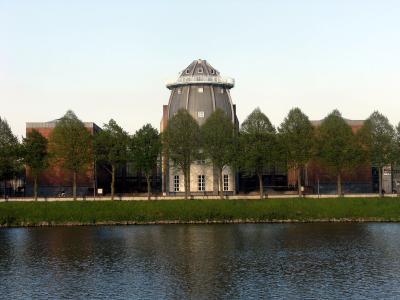
Bonnefanten Museum
Iconic Aldo Rossi museum with old masters and contemporar...
Cultural Experiences · History & Heritage
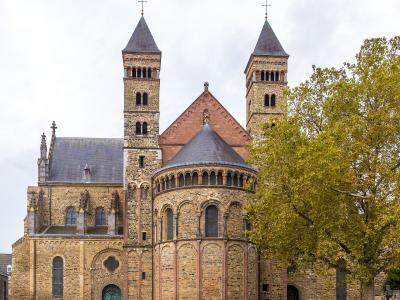
Treasures of Saint Servatius
Oldest Dutch basilica with Europe's richest treasury
Cultural Experiences · History & Heritage
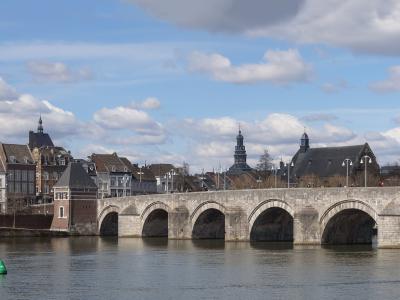
Wilhelminabrug and St. Servaasbrug Bridges
Wilhelminabrug: 1930s steel bridge over the Maas St. Se...
Urban Exploration · Historic Districts
Questions people ask
Quick Facts
Best Time to Visit
May to September offers mild weather, lively festivals, and ideal conditions for exploring Maastricht’s old town, caves, and riverside attractions.