







Treasures of Saint Servatius
Oldest Dutch basilica with Europe's richest treasury
- Where
- Maastricht, Limburg
- Directions
- Directions
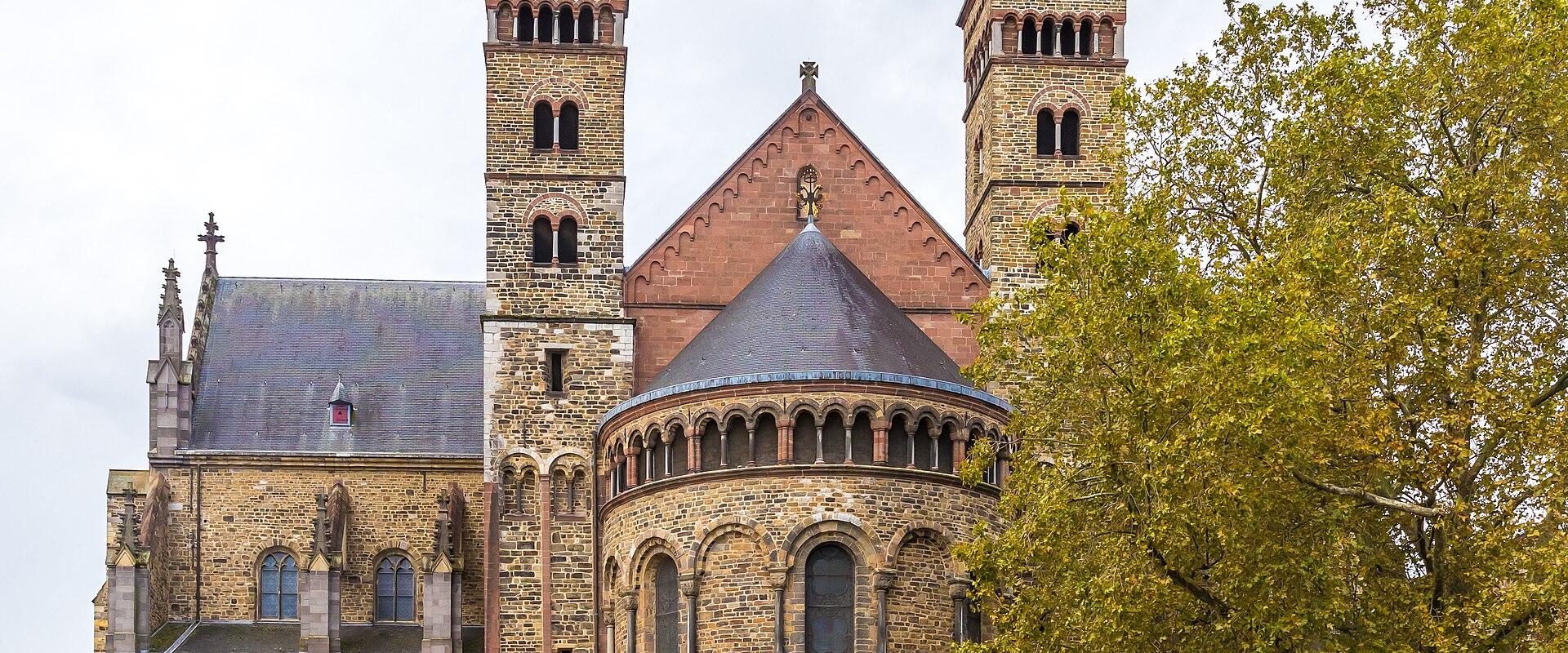
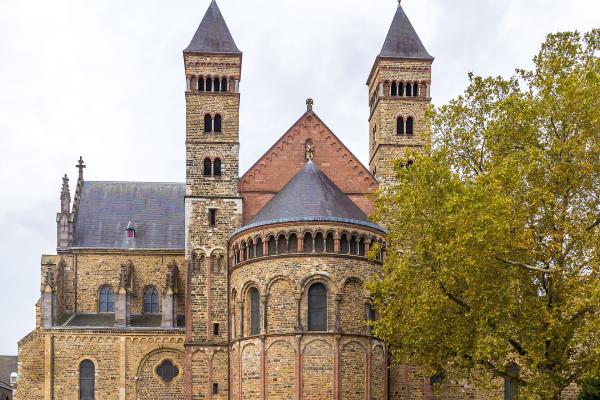
The Treasures of Saint Servatius form the treasury of the Basilica of Saint Servatius in Maastricht, and they count among the most important collections of medieval religious art in northern Europe. The basilica rises beside the Vrijthof, the main square of the city, and the treasury is housed in rooms attached to the church. Together they tell the story of a saint whose tomb made Maastricht a pilgrimage destination for more than a thousand years.
Servatius was a bishop of the fourth century, associated with Tongeren and Maastricht, who died in 384 and was buried at the site of the present church. Over the centuries a chapel and then a series of larger churches were built over his grave, and the basilica we see today is largely Romanesque, with later Gothic and later additions. It is among the oldest and most significant churches in the country, and its massive westwork and the crypt are well worth seeing. Pilgrims came to venerate the relics, and the church grew rich with gifts.
The treasury contains objects that pilgrims, bishops and rulers gave or commissioned over many centuries. The most celebrated is the shrine of Saint Servatius, a gilded reliquary made in the twelfth century in the Meuse valley, a region famous for metalwork. It is shaped like a small church and decorated with figures and enamel, and it still holds the relics. Other items include crosses, chalices, textiles, ivories and manuscripts, as well as a large key associated with the saint, which was used as a symbol of his authority.
The pieces show the skill of medieval goldsmiths and the devotion of the people who commissioned them. Looking closely at details such as enamel work and engraved scenes is a rewarding way to understand how religion and art were interwoven. Labels and audio guides provide explanations, and the setting of the treasury rooms adds to the atmosphere.
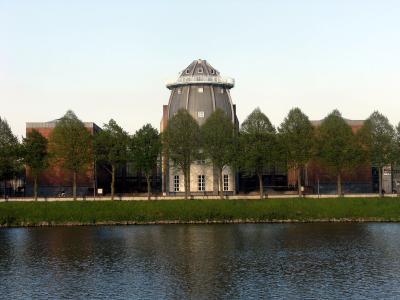
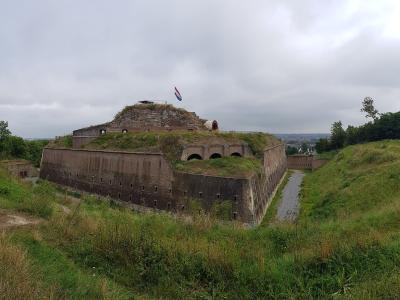
The basilica is within walking distance of other Maastricht highlights. The Basilica of Our Lady, the Bonnefanten Museum, Fort Sint Pieter with its network of caves and the old bridges across the Maas provide a range of other subjects for a day in the city. The treasury suits visitors interested in art history, religion and medieval craft, and it is best visited early, before crowds arrive. Check opening times and ticket arrangements before you go. The Shrine and the Key are the pieces to seek out first. Maastricht’s other sights, and the Netherlands as a whole, have little to compare with this collection, and Visitors should allow time to look slowly.
More photos coming soon
Nearby Attractions
Other places to visit in Maastricht

Basilica of Our Lady
Romanesque basilica with 15th-century Mary statue
Cultural Experiences · History & Heritage
Bonnefanten Museum
Iconic Aldo Rossi museum with old masters and contemporar...
Cultural Experiences · History & Heritage
Fort Sint Pieter and the Caves of Maastricht
17th-century fortress with extensive underground caves
History & Heritage · Fortresses
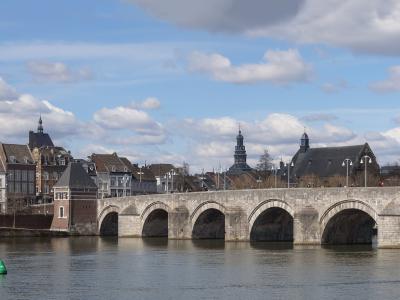
Wilhelminabrug and St. Servaasbrug Bridges
Wilhelminabrug: 1930s steel bridge over the Maas St. Se...
Urban Exploration · Historic Districts
Questions people ask
Quick Facts
Best Time to Visit
May to September offers mild weather, lively festivals, and ideal conditions for exploring Maastricht’s old town, caves, and riverside attractions.