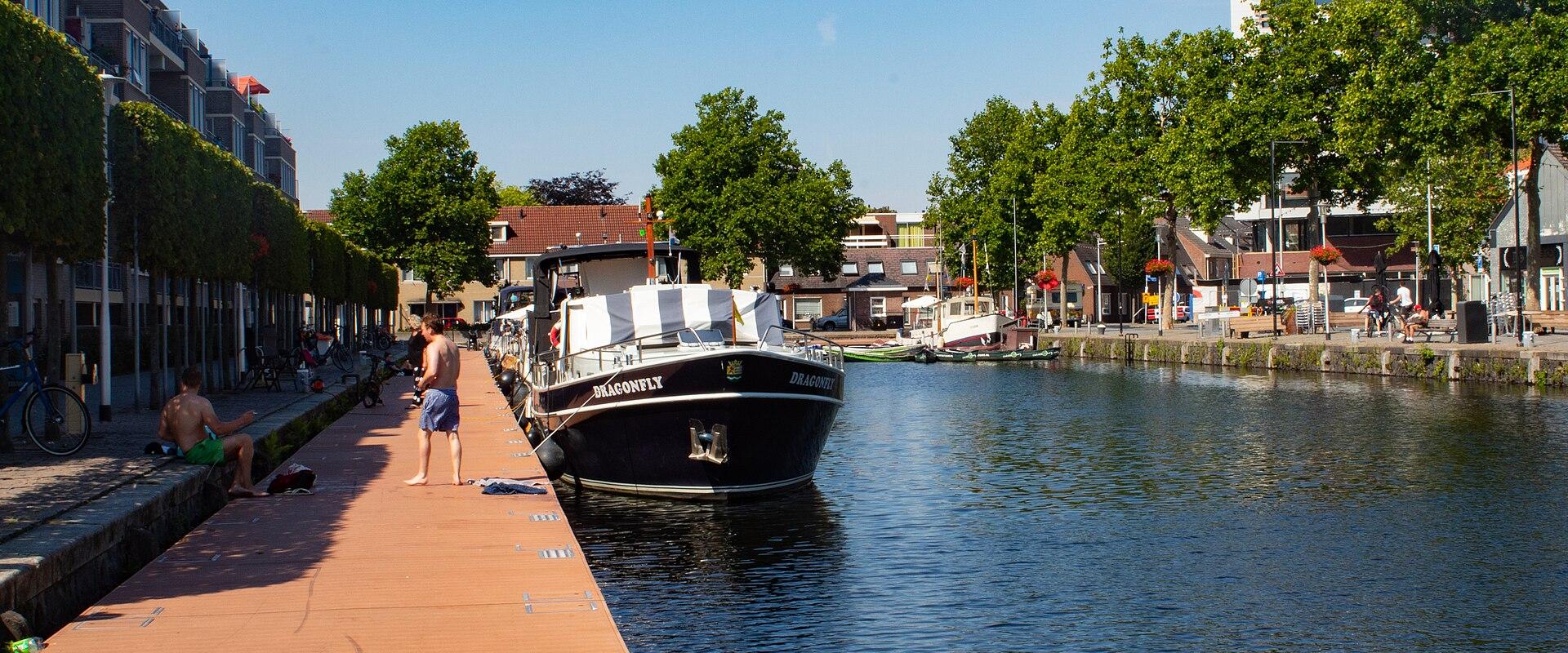
Tilburg's history is deeply rooted in the textile industry, which shaped the city's development from a small village into a major industrial city. In the 19th century, the arrival of the railway and the establishment of numerous textile mills transformed Tilburg into one of the most important industrial centers in the Netherlands. The wealth generated during this period led to the construction of grand villas and public buildings, many of which still stand today. The decline of the textile industry in the mid-20th century posed significant challenges, but Tilburg successfully reinvented itself as a city of education, logistics, and services. The establishment of Tilburg University in 1927 and the expansion of Tilburg University of Applied Sciences have made the city a major educational hub, attracting students from across the globe and infusing the city with youthful energy.
The heart of Tilburg is the city center, which is characterized by its pedestrian-friendly streets, historic churches, and modern shopping areas. The Sint-Janskathedraal, a neo-Gothic cathedral built in the late 19th century, is a prominent landmark and a testament to the city's religious heritage. The cathedral's interior features stunning stained glass windows and a richly decorated altar. Nearby, the Beatrixpark offers a green oasis in the urban landscape, with walking paths, playgrounds, and a pond. The park is a popular spot for relaxation and outdoor activities.
One of Tilburg's most famous attractions is the Brabantse Wal, a former military fortification that has been transformed into a cultural and recreational area. The fortification houses several museums, including the Museum of Contemporary Art (Museum de Fundatie) and the Tilburg City Museum, which showcases the city's industrial and social history. The area also features restaurants, cafes, and event spaces, making it a vibrant hub for culture and leisure. Another key attraction is the Tilburg Fair, one of the largest trade fairs in the Netherlands, held annually in the city. The fair attracts hundreds of thousands of visitors and features exhibitions, concerts, and cultural events.
Tilburg is also known for its vibrant music and arts scene. The city hosts numerous festivals throughout the year, including the Tilburgse Jazzdagen and the Tilburgse Dansdagen. The city's nightlife is lively, with a wide range of bars, clubs, and live music venues. The student population contributes to the city's dynamic atmosphere, with many cafes and restaurants catering to young people. For those interested in architecture, Tilburg offers a mix of styles, from historic factory buildings to modern designs. The former textile mills have been repurposed into creative spaces, housing startups, design studios, and galleries.
Getting to Tilburg is convenient via public transportation. The city has a central train station with regular connections to major Dutch cities like Amsterdam, Rotterdam, and Utrecht. Buses and trams provide local transportation within the city. Tilburg is also well-connected by road, with easy access to the A16 and A58 highways. The best time to visit Tilburg is during the spring and summer months, from April to September, when the weather is mild and there are numerous outdoor events and festivals. However, the city is also pleasant to visit in the autumn and winter, with fewer crowds and a cozy atmosphere in its many cafes and museums.
Best time to visit
Visit between April and September for mild weather, outdoor festivals, and vibrant city life.
What to see in Tilburg
Our picks first.

Tilburg Market Square (Markt)
Historic market square in Tilburg's city center
City Centers · Local Markets
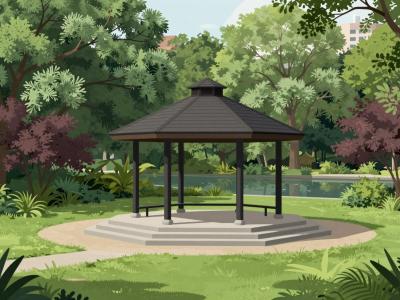
Stadspark
19th-century park with historic pavilions and a lake in T...
Activities & Adventure · History & Heritage
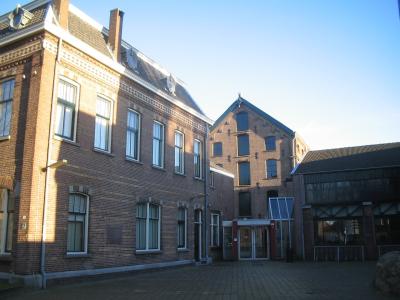
Tilburg Textile Museum (TextielMuseum)
Dutch textile museum in former factory
Art Museums · History Museums

Tilburg University Campus
Green, smoke-free campus in Tilburg
City Centers · Guided Tours

Wilhelminapark
125-year-old Tilburg park hosting free weekend arts events
Gardens · Local Festivals
Tilburg by interest
The same sights, grouped by what you came for.
Did you know?
Checked facts about Tilburg, each with its source.
-
History
Tilburg Has a Distinct Local Story
Tilburg is a major urban center located in the province of North Brabant in the southern Netherlands.
Source: Tilburg - Wikipedia -
History
Tilburg Has Another Verifiable Detail
Historically, Tilburg was a powerhouse of the textile industry, earning it the nickname 'Little Manchester' due to its dense concentration of mills and factories in the 19th and early 20th centuries.
Source: Textile Museum (Tilburg) - Wikipedia
Planning a visit to Tilburg
Good to know
- Currency
- EUR
- Language
- Dutch
Quick Facts
Book your stay
Questions people ask
More places in West Brabant
West Brabant
Eindhoven
Design city with museums, tech heritage, and vibrant nightlife
West Brabant
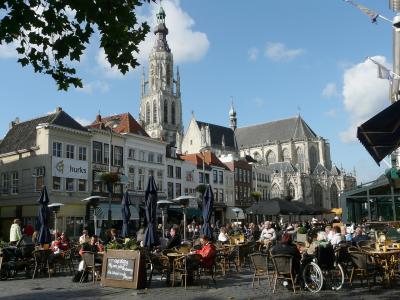
Breda
Historic city in North Brabant with rich cultural heritage
West Brabant
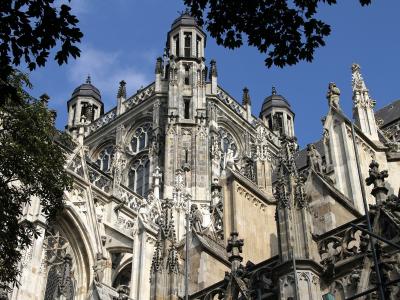
's-Hertogenbosch
Medieval canals, Gothic cathedral, and vibrant Brabant culture
West Brabant
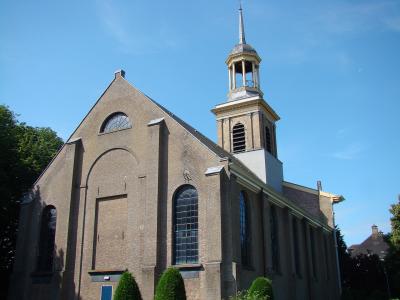
Steenbergen
Historic West-Brabant town with monuments and fortifications