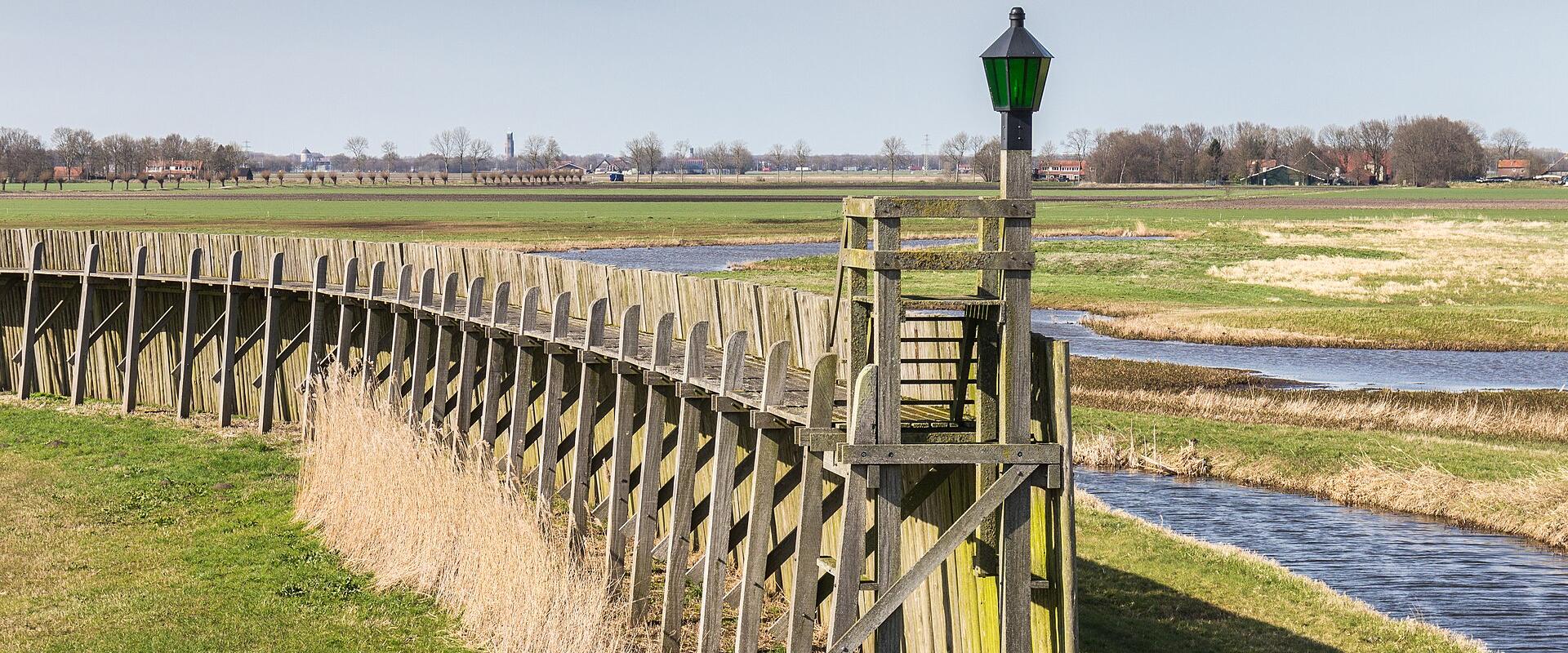
Schokland lies in the Noordoostpolder, in the province of Flevoland, and is a remarkable reminder of the Dutch struggle against the sea. It was once a peninsula and then an island in the Zuiderzee, and its history is one of adaptation, resilience and, in the end, abandonment. Archaeological evidence shows that the area was inhabited in prehistoric times, with settlements dating back thousands of years, and traces of ancient human activity, among them footprints and tools, have been found. As the sea level rose and storms struck, Schokland became a narrow and vulnerable island, and its people built dikes, raised their homes on mounds and developed ways of living with constant danger.
By the 19th century life on Schokland had become more and more difficult. Constant flooding and erosion led the Dutch government to evacuate the island in 1859, and the Schoklanders were moved to safer places. The island stayed empty until the 20th century, when the Noordoostpolder was drained and Schokland became part of the mainland. Today the site is recognised as a UNESCO World Heritage Site for its archaeological importance and as a symbol of the Netherlands’ continuing battle with water. It was added to the World Heritage List in 1995.
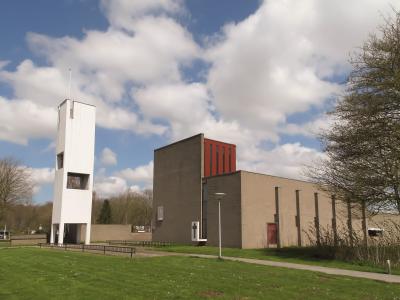
Visitors to Schokland can explore a landscape full of history and atmosphere. The Museum Schokland, in the former church of Middelbuurt, has exhibits on the geology, archaeology and daily life of the island. Objects, models and interactive displays show the problems the Schoklanders faced and the ingenuity with which they adapted to the environment. The museum also tells the wider story of Dutch land reclamation and water management.
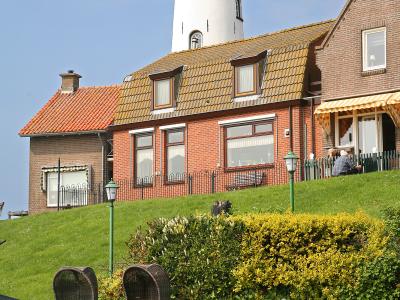
Walking and cycling routes cross the former island and lead past the main landmarks, among them the remains of the lighthouse, the old harbour at the northern tip and the church ruins in the south. Information panels along the way give background and stories about the people who once lived on Schokland. Schokland’s open fields and distant horizon give a feeling of isolation and endurance that marked the island’s history. The dwelling mounds, low rises in the field, show where the villages once stood.
Schokland is also an important archaeological site, with excavations that revealed prehistoric settlements, medieval churches and evidence of centuries of human adaptation to changing conditions. The layers of history are visible in the earthworks, foundations and finds that dot the landscape, and more than 100 archaeological sites have been recorded here. Seasonal events, guided tours and educational programmes give a deeper view of the past and its meaning for the Netherlands.
Getting to Schokland is straightforward. The site can be reached by car from Emmeloord and other towns in Flevoland, with parking near the museum. By public transport, buses run from Emmeloord, followed by a short walk or bike ride. The flat land and marked paths make Schokland easy to explore on foot or by bicycle.
The best time to visit Schokland is from mid-March to September, when the weather is mild and the landscape is at its best. Spring and summer give pleasant conditions for walking and cycling, while autumn brings atmospheric mists and fewer visitors. Winters can be cold and damp, but the museum and indoor exhibits stay open for those who want a quiet and thoughtful visit.
In short, Schokland combines archaeological heritage, evocative landscape and the Dutch spirit of resilience. Whether exploring ancient mounds, learning about water management or simply enjoying the peace of the polder, visitors will find a memorable and thought-provoking place in the middle of the Netherlands.
Best time to visit
Mid-March to September offers mild weather, open trails, and ideal conditions for exploring Schokland’s museum, ruins, and historic landscapes.
What to see in Schokland
Our picks first.
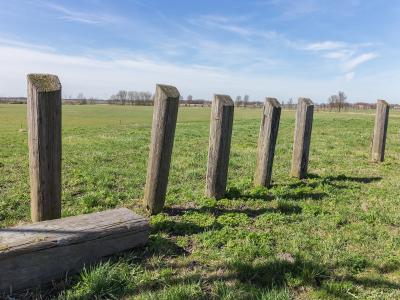
Dwelling mounds
Dwelling mounds marking ancient island settlements
History & Heritage · Monuments
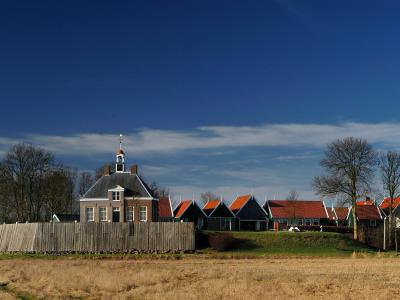
Museum Schokland
UNESCO site showcasing Schokland’s island history
History & Heritage · History Museums

National monuments
UNESCO site preserving Dutch island history
History & Heritage · Monuments
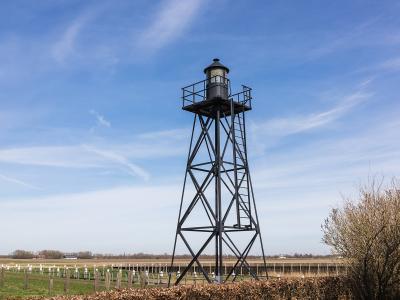
Schokland Harbor and Lighthouse
Historic lighthouse on former Zuiderzee island
Coastal & Maritime · Harbors
Schokland by interest
The same sights, grouped by what you came for.
Did you know?
Checked facts about Schokland, each with its source.
-
Sports
Schokland Has Another Verifiable Detail
Visitors can explore walking and cycling trails that reveal the island’s layered history and its transformation from a vulnerable outpost to a national monument.
Source: Schokland - Wikipedia
Planning a visit to Schokland
Itineraries that include Schokland
Good to know
- Currency
- EUR
- Language
- Dutch