







- Where
- Schokland, Flevoland
- Directions
- Directions
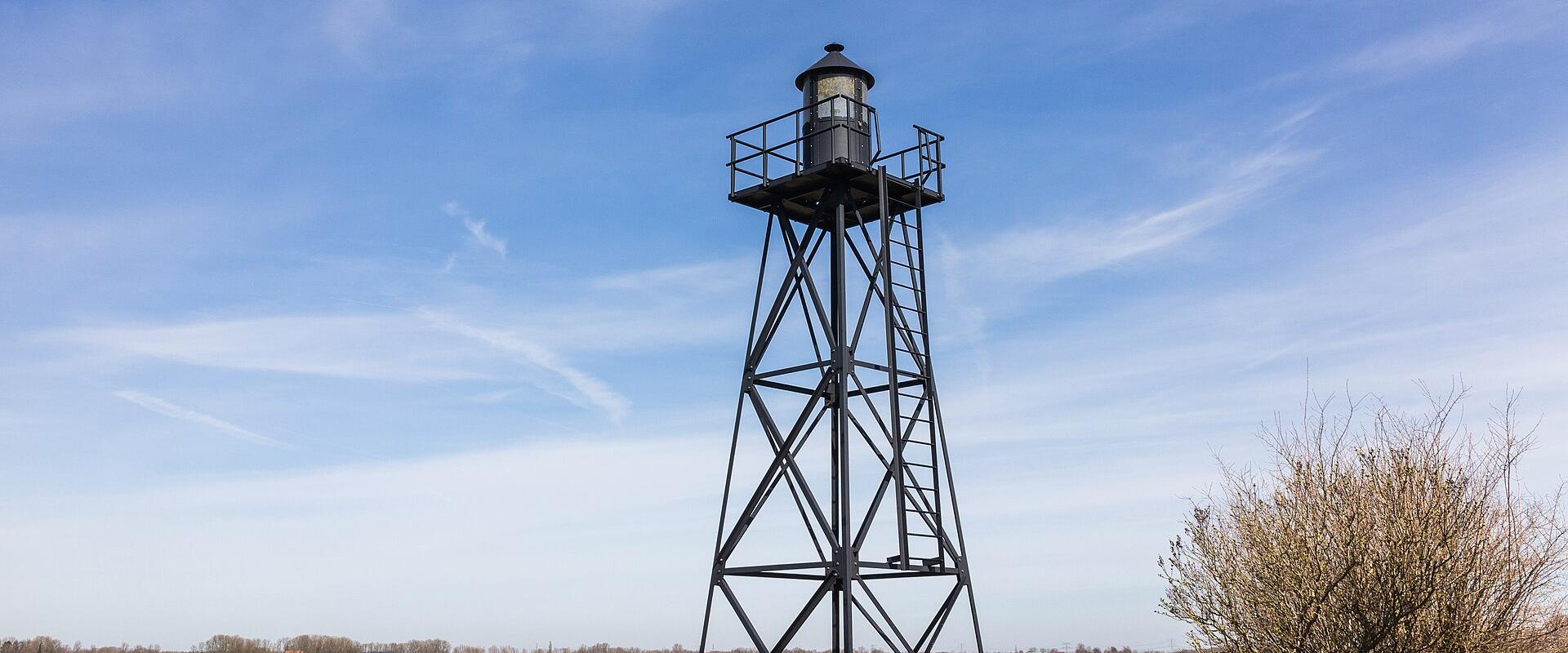
Schokland is the former island in the Zuiderzee that is now a low ridge in the middle of the Noordoostpolder, and its old harbour and small lighthouse are among the features that remind visitors that this flat farmland was once open water. Both are part of the national monuments that make up the UNESCO World Heritage site, and they are the best way to picture the island as it was before the sea was drained in 1942. They are quiet places, and a visit is more about atmosphere and imagination than about sights.
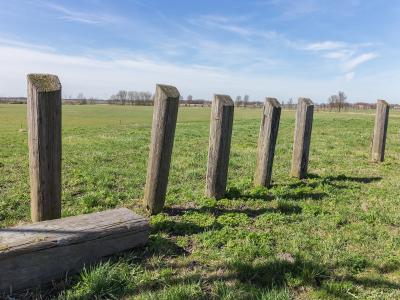
For centuries, boats were the lifeline of Schokland. The island had no bridge and no road, and everything from food and building materials to the people themselves had to come by water. The inhabitants fished, farmed the thin soil and kept cattle on the mounds, and they traded with the towns around the Zuiderzee. A harbour was necessary for all of this, and it grew into a small haven, with quays and posts where the boats tied up. Today the water is gone, and the harbour stands in the middle of fields, a basin and a few remains that mark where the shoreline used to be.
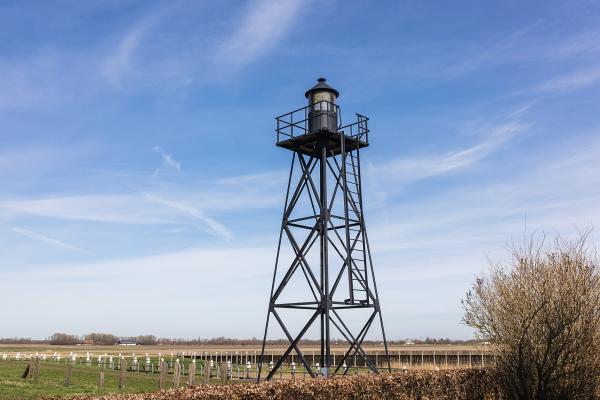
The lighthouse had a more specific job, which was to guide ships through the treacherous shallows and shifting sandbanks of the Zuiderzee, where wrecks were common, and a low stone tower was enough in a flat landscape. It is modest in size, nothing like the great coastal lighthouses of the North Sea, but it has become a symbol of the island and its story. Seeing a lighthouse far from any sea is one of the odder experiences in the Netherlands, and it brings home how completely the landscape has changed.
The site is best explored by walking the old shoreline, which can be traced by the raised ground, the dikes and the information panels that mark key points. The Museum Schokland on the Middelbuurt mound is a short walk away and puts the harbour and the lighthouse in context, with displays on the archaeology, geology and daily life of the island. The dwelling mounds and other national monuments can all be reached on foot or by bicycle along quiet paths, and the open polder is attractive in the soft light of morning and evening.
The site is open at all times and free, but there is little shelter, so bring a windproof layer and, in summer, water and sun protection. It suits history lovers, cyclists and visitors interested in how the Dutch have shaped their land, and it takes about thirty minutes to see, or longer if you combine it with the museum and a longer walk.
Categories
More photos coming soon
Nearby Attractions
Other places to visit in Schokland

Questions people ask
Quick Facts
Best Time to Visit
Mid-March to September offers mild weather, open trails, and ideal conditions for exploring Schokland’s museum, ruins, and historic landscapes.