
- Where
- Schokland, Flevoland
- Directions
- Directions
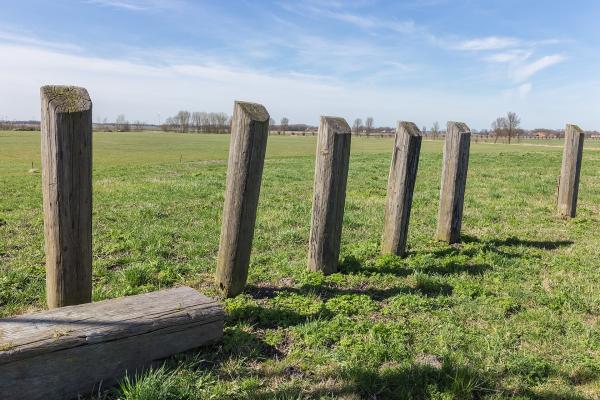
The dwelling mounds of Schokland tell the story of a community that lived for centuries on a strip of land in the Zuiderzee, and of how the sea eventually forced them to leave. Schokland was once a long, narrow island, and its inhabitants built their homes on artificial mounds, called terpen or wierden, to stay above the rising water. The island was evacuated in 1859, when the danger from floods became too great, and later the surrounding sea was drained. Today Schokland lies in the middle of farmland in the Noordoostpolder, and its outline is visible as a low ridge rising from the flat fields. It was inscribed as a UNESCO World Heritage Site in 1995.
The mounds are small but significant. Archaeological research has shown that people lived in this area from prehistoric times, and the layers of earth, waste and building materials give a record of settlement over a long period. The mounds were raised higher over time as the water level rose, and they were joined by embankments and dikes. Walking along the ridge gives a sense of how fragile the landscape once was, and how determined its people were to keep living here.
The Museum Schokland, in a church built in the early nineteenth century, tells the story of the island, its archaeology and the people who lived there. Displays show finds from the area, including tools and objects of everyday life, along with maps and photographs that show how the island and the surrounding sea changed. The museum also explains the draining of the polder, one of the major engineering projects of the twentieth century.
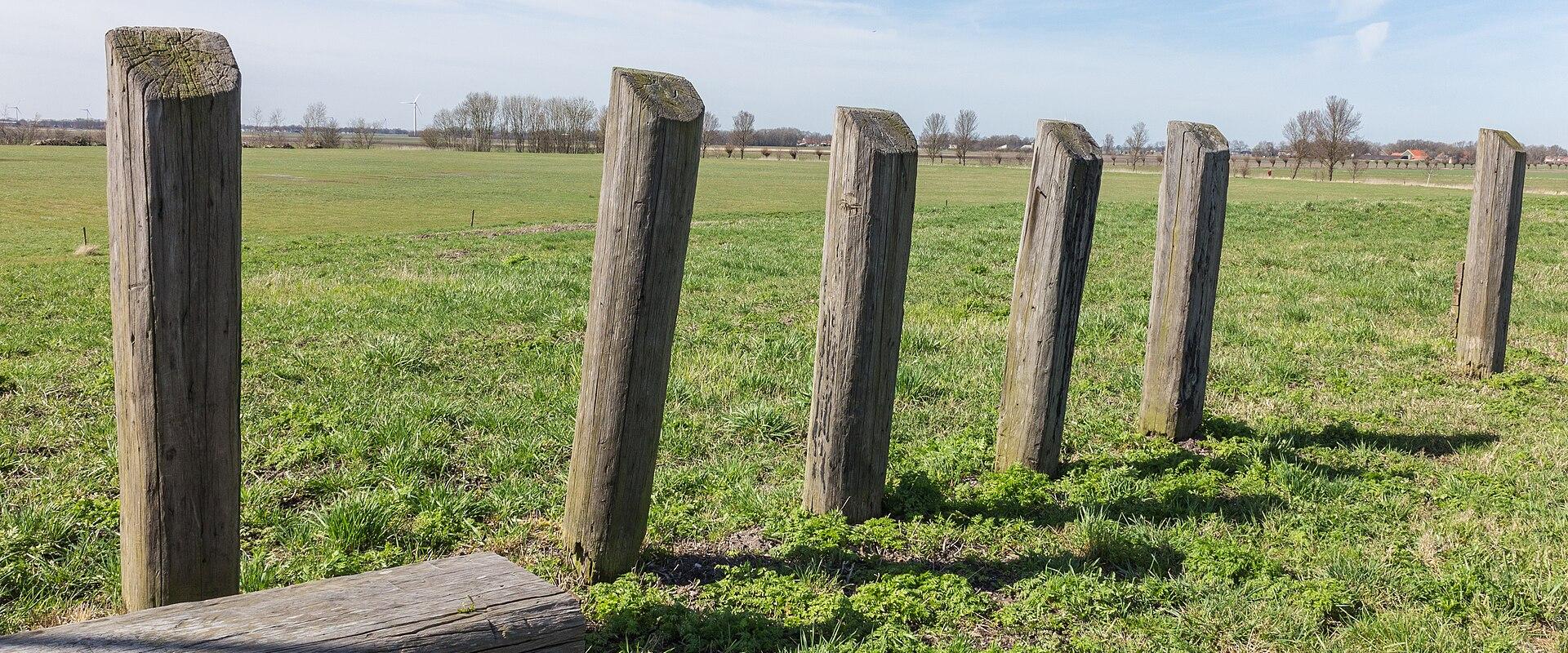
Other features on the former island include the old harbour and lighthouse, which once served ships and now stand on dry land, and markers showing where the shoreline used to be. National monuments are scattered across the island, and information boards help visitors understand the layout. Paths are easy to follow, and the setting is open and quiet, with wide views over the fields.
Schokland suits people interested in history, archaeology and landscape. It is also a good place for a gentle walk or bike ride, and the sunsets over the flat polder can be spectacular. Check the museum's opening hours before going, and bring a windproof layer, since there is little shelter on the open land. Visitors can still trace the old hamlet of Middelbuurt, one of the settlements on the ridge, and see how the Dutch reclaimed the land around it.
Categories
More photos coming soon
Nearby Attractions
Other places to visit in Schokland
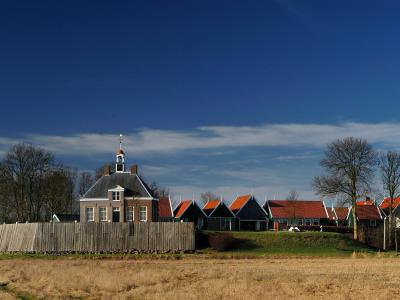
Museum Schokland
UNESCO site showcasing Schokland’s island history
History & Heritage · History Museums

National monuments
UNESCO site preserving Dutch island history
History & Heritage · Monuments
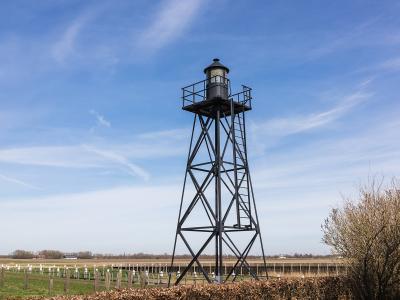
Schokland Harbor and Lighthouse
Historic lighthouse on former Zuiderzee island
Coastal & Maritime · Harbors
Questions people ask
Quick Facts
Best Time to Visit
Mid-March to September offers mild weather, open trails, and ideal conditions for exploring Schokland’s museum, ruins, and historic landscapes.