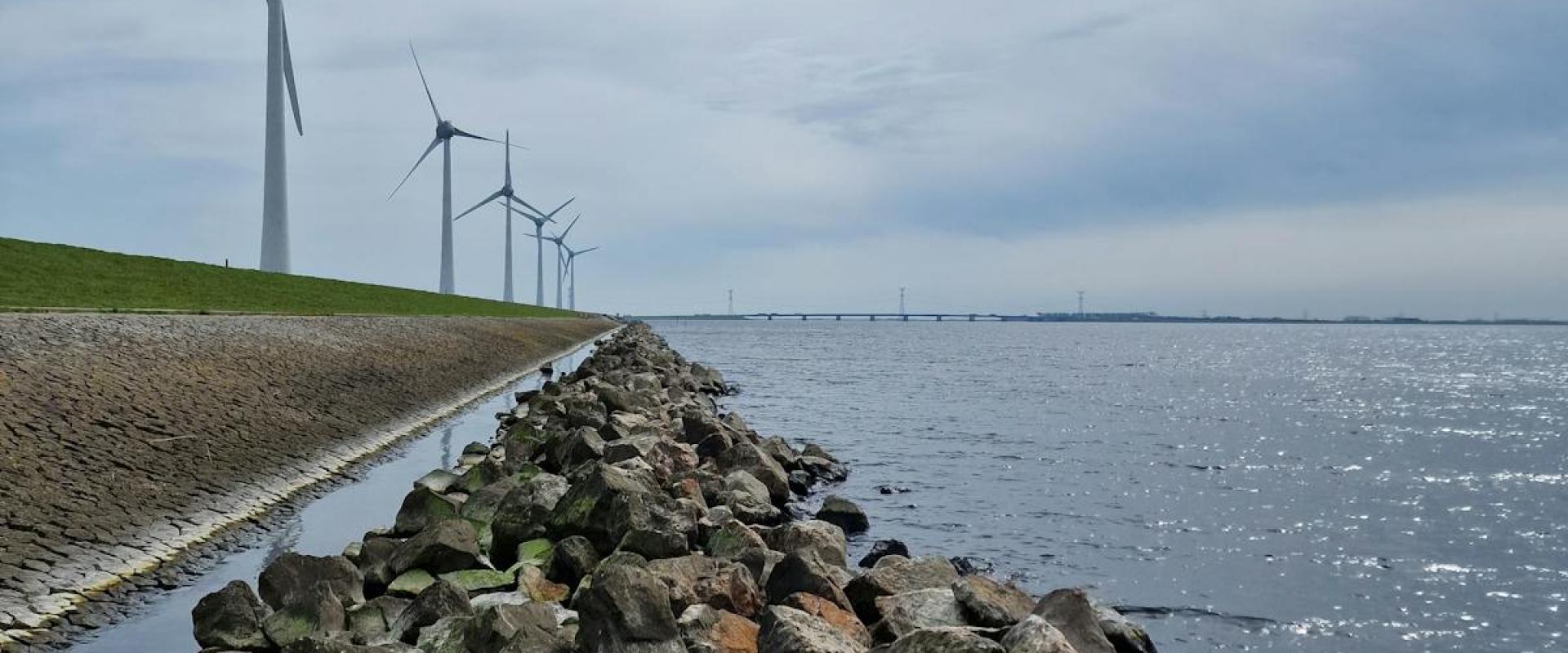
Nagele’s history is closely linked to the reclamation of the Noordoostpolder, which was drained in 1942. The area had been part of the Zuiderzee, and turning it into farmland was a major engineering achievement. After the polder was drained, new villages were needed for the farmers who would work the land. Nagele was founded in the 1950s as a model village. The design was led by Cornelis van Eesteren, an important figure in the CIAM, the Congrès Internationaux d'Architecture Moderne, who applied modernist principles to the layout of the village, with the landscape architect M. P. Scholtens. A group of architects associated with the Dutch modernist movement, among them Gerrit Rietveld and Aldo van Eyck, designed buildings in the village. The plan stressed function, with clear divisions between living, working and leisure areas. The houses were meant to be simple, solid and affordable, yet pleasing to the eye, with a uniform style that gave the village a unified look. The landscape was part of the design, with green space and tree-lined streets.
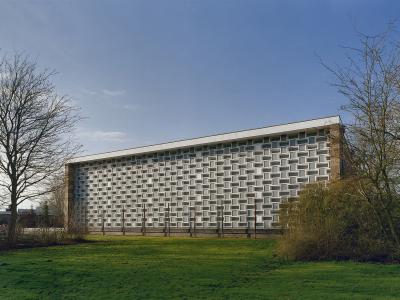
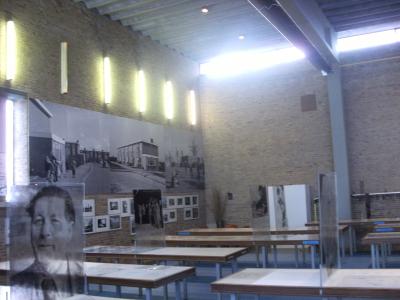
The main attraction of Nagele is its architecture and planning. The village is a living museum of modernist design, and many of the original houses still stand in their first form. Flat roofs, large windows and the use of brick and concrete are typical, and the layout, with straight roads and geometric plots, reflects the rationalist approach of the period. Visitors can follow self-guided walks through the residential areas, the agricultural zone and the community centre. Museum Nagele gives further background, with exhibits on the history of the polder, the building of the village and the lives of its first residents. The museum also has models and photographs that show the planning process and the problems met during construction.
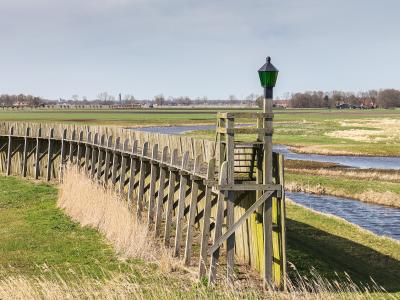
Beyond architecture, Nagele offers outdoor activities. The Noordoostpolder is flat and open, ideal for cycling and walking. It forms part of Flevoland, a province known for its farming and its nature. The nature reserve of the Oostvaardersplassen lies far to the south in Flevoland, in the other polder, and can be visited on a longer trip. The flat land and well-kept cycle paths make it easy to move around the region, and several routes link Nagele with other places in the polder, among them Urk and Emmeloord. The village has a small community centre that hosts local events and gatherings, which gives a view of the social life of the community.
Getting to Nagele is easiest by car or bike, since public transport is limited to buses to Emmeloord, and to Lelystad beyond, from which there are connections to other cities in the Netherlands. By car, the village can be reached from the A6. The best time to visit Nagele is from April to September, when the weather is mild and the landscape is green. The village is also pleasant in autumn and winter, with fewer visitors and a quiet, thoughtful atmosphere. Nagele gives a unique view of the history of Dutch urban planning and of how communities were created on reclaimed land.
The village is small, so a visit takes a few hours rather than a day, and it combines well with a ride to Emmeloord, a stop at the old island of Schokland and a trip to the coast at Urk. Weekdays are quiet, and the light on the flat land and the plain buildings is strongest in the late afternoon, a good time for photographs. Visitors who like architecture should allow time to compare the different house types and public buildings along the straight streets.
In short, Nagele is worth a visit for anyone interested in modern architecture, design and the story of the polder, and it makes an unusual, calm stop in the Noordoostpolder.
Best time to visit
Visit between April and September for mild weather and vibrant green landscapes ideal for cycling.
What to see in Nagele
Our picks first.
Nagele by interest
The same sights, grouped by what you came for.
Planning a visit to Nagele
Itineraries that include Nagele
Good to know
- Currency
- EUR
- Language
- Dutch