

Pedal Power in the Heart of the Republic
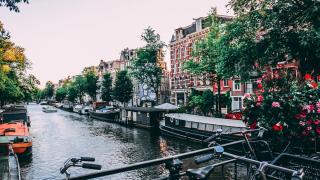
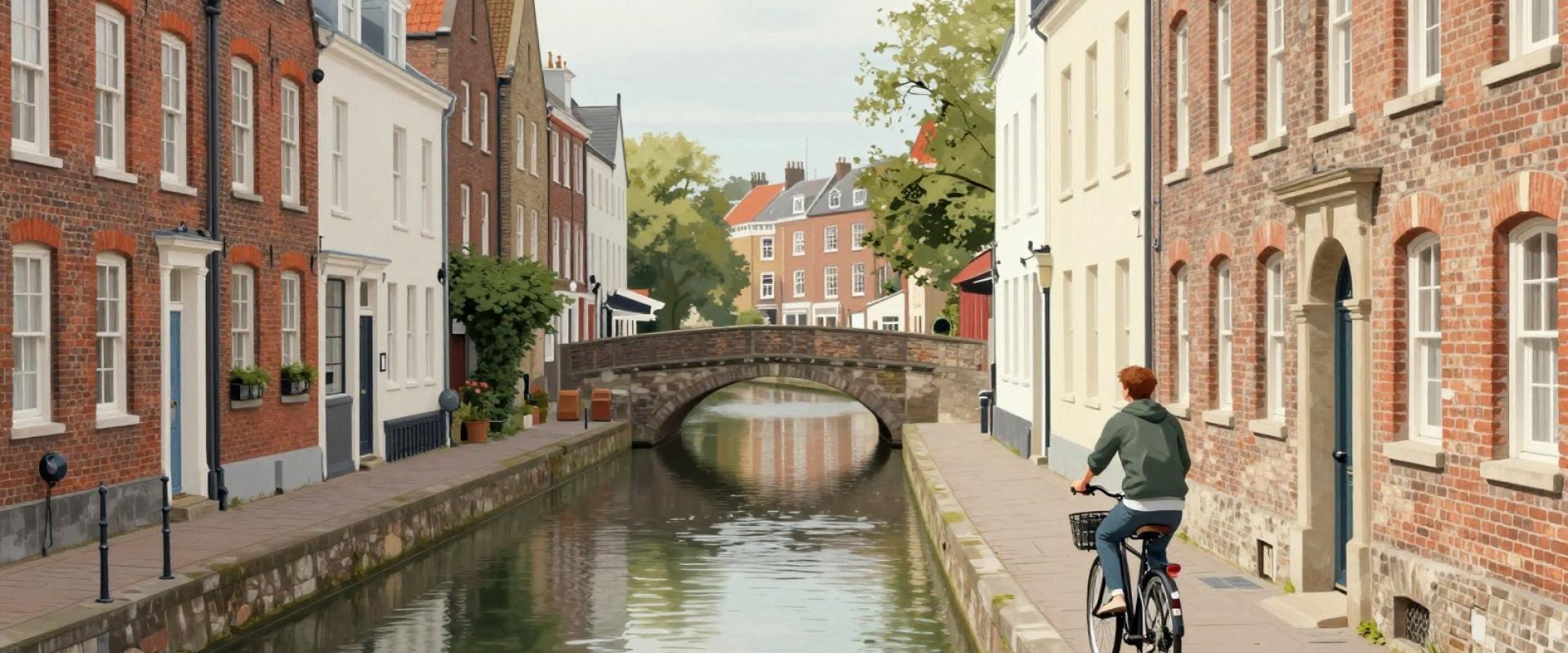
Utrecht does not merely allow cycling; it demands it. The moment you step onto the cobblestones near the central station, the city’s identity becomes undeniable. Unlike Amsterdam, which often feels like a museum of bikes, Utrecht is a living organism where the bicycle is the primary cell. This distinction stems from the Oudegracht, a double-ring canal system that defines the city’s unique topography. Here, the lower wharf levels sit just inches above the waterline, creating a two-tiered streetscape that separates the pedestrian world above from the aquatic rhythm below.
This architectural quirk creates a layered urban experience that is impossible to replicate elsewhere. You will see this duality play out daily as cyclists glide past centuries-old brick facades while tourists watch from the quayside cafes. The infrastructure handles immense volume with surprising efficiency, managing roughly one bike for every resident. Navigating these busy lanes demands focus, but the reward is an unfiltered look at Dutch urban planning in action.
Embracing the flow of traffic allows you to absorb the sights at a human pace. The saddle offers a distinct vantage point, framing historic architecture against the moving water in a way that walking or driving never could. It is an authentic immersion into a city that moves on two wheels, blending deep history with modern sustainability. This green, vibrant network provides a practical escape from the noise and exhaust of motorized life, offering a journey that feels both timeless and alive.
The Wharf Cellar Coffee Ritual
Beneath the bustling quayside of the Oudegracht lies a hidden network of historic stone cellars. These underground spaces, originally built to store goods and protect them from the elements, now serve as intimate cafes where the air is thick with the scent of roasted beans and damp stone. For roughly €3.50, you can secure a simple espresso and settle into a wooden chair, watching the gentle bobbing of tourist boats glide past your window.
I recommend pausing your bicycle ride here to let the city’s rhythm slow down. The stillness of the cellar contrasts sharply with the movement above, offering a quiet vantage point that feels worlds away from the busy streets. You are not just drinking coffee; you are witnessing a daily ritual that has defined this city for centuries. Let the steam rise from your cup while you observe the interplay of light and shadow on the ancient masonry.
This moment connects you to the past in a tangible way, providing a profound sense of calm amidst the travel chaos. Try this experience at De Oude Gracht, where the history is visible in every crack of the wall. You will appreciate the stillness more deeply once you have taken the time to simply breathe and watch the water ripple. It is a small, quiet stop that lingers in memory long after the cup is empty.
Wheels of Fortune: Renting Right
Utrecht’s Oudegracht is best explored by bike, and you can find rental shops just steps from Centraal Station. Prices typically start around €7.50 per day, though renting for several days often unlocks weekly discounts that significantly lower the daily cost. To avoid tourist trap pricing, walk a few blocks away from the station hub and compare rates at two or three independent shops. Local favorites often offer better maintenance and fairer prices than the kiosks directly outside the main train exit.
Choose a sturdy city bike rather than a fancy road racer. The flat terrain requires no athletic prowess, and the low canal bridges demand a standard frame with a low step-through design. Before heading out, always test the brakes and check that the chain is lubricated; a mechanical failure mid-ride ruins the mood. Since locals cycle here daily, you will share the road with trams, so stay alert for their bells and keep to the designated lanes.
Cycling offers a superior vantage point compared to walking or boating, allowing you to glide past the historic wharf cellars at a human pace. The air feels fresher on the bike, and the scenery unfolds naturally without the rush of motorized traffic. This simple joy connects you to the city’s rhythm, making it easy to see Utrecht as it is lived, not just viewed.
Cycling through Utrecht requires a specific kind of attention, particularly when navigating the Oudegracht’s lower wharf level. This dedicated cycle path runs parallel to, yet distinctly separate from, the pedestrian walkway above, creating a layered urban experience that demands respect for both spaces. You will likely encounter commuters flooding the bridges during the 8:00 AM rush, so timing your ride to avoid this peak hour can significantly enhance your comfort and safety.
The route is clearly marked, though you should rely on general lane discipline rather than expecting standard blue signage, which is not a universal feature of Utrecht’s infrastructure. Instead, let the canal water serve as your primary landmark, guiding you through the historic heart of the city while you maintain a moderate speed. Stay alert for sudden turns and always ring your bell softly to signal your approach to others, ensuring that the shared space remains harmonious for everyone involved.
Prioritizing safety allows you to fully immerse yourself in the unique rhythm of the city, where the hum of tires on cobblestones blends with the distant chatter of pedestrians. By keeping your pace steady and your awareness sharp, you transform a simple commute into an engaging exploration of one of Europe’s most distinctive canal networks. The true magic of Utrecht reveals itself not in the monuments, but in the daily dance of wheels and water.