

The Subterranean Pulse of the Neath
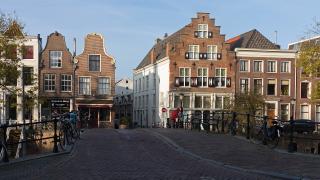
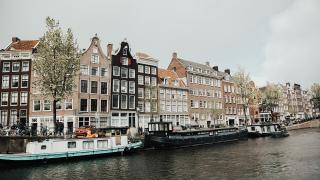
Beneath the sun-drenched quays of Utrecht lies a cooler, quieter world. The Oudegracht’s wharf cellars, once humming with the weight of merchant goods, now form a striking two-tiered canal system. Step down from the bright upper walkway, and the air grows damp, carrying the rhythmic lap of water against ancient stone. This vertical architecture is not merely functional; it is a physical timeline. You move through centuries of Dutch trade history with every step, bridging the gap between the bustling present and the silent past. The lower level, dim and atmospheric, invites you to wander. Here, the pulse of the Neath is palpable, echoing off the brickwork that has supported commerce for centuries. It is an immersion into the city’s foundation, where the waterline tells the story of growth and survival.
Did you know? In the 19th and early 20th centuries, these cellars housed everything from grain silos to small-scale breweries. Before modern logistics, the canal was the warehouse floor, allowing merchants to load and unload directly onto barges without ever setting foot on dry land.
Stone Arches and Echoing Tales
Beneath the sunlit surface of the Oudegracht, a hidden world of damp stone and echoing water awaits. These medieval wharf cellars, carved directly into the canal banks, once hummed with the frantic energy of international trade. Imagine the heavy thud of barrels being rolled down wooden ramps, the shout of merchants haggling over spices and cloth, all while rain slicked the cobblestones above. The resilient arches still hold firm, a testament to craftsmen who understood that gravity and geometry were the true foundations of commerce. Walking past these dim, vaulted chambers today offers a stark contrast to the bright, bustling canal life above, reminding us that history is not just observed, but felt in the cool, still air of the underground.
The engineering behind these structures was revolutionary for its time. Builders constructed these wharf cellars directly into the canal banks to store goods efficiently, creating a vertical storage system that maximized limited urban space. Their resilient stone arches showcase remarkable medieval craftsmanship, designed to withstand both the weight of heavy cargo and the constant pressure of the canal water. This engineering marvel remains a key historical landmark in Utrecht today, offering a tangible link to the city’s era as a dominant trading hub in the Hanseatic League.
Sip, Stroll, and Spin Through Time
Beneath the bustling Oudegracht, a world of damp stone and echoing water awaits. These historic wharf cellars, once used for storing goods, now glow with the warm light of cafes and restaurants. You sit just inches from the canal, watching the gentle lapping of water against ancient brick. The contrast is striking: bright sunlight above, while below, the air feels cool and heavy with history.
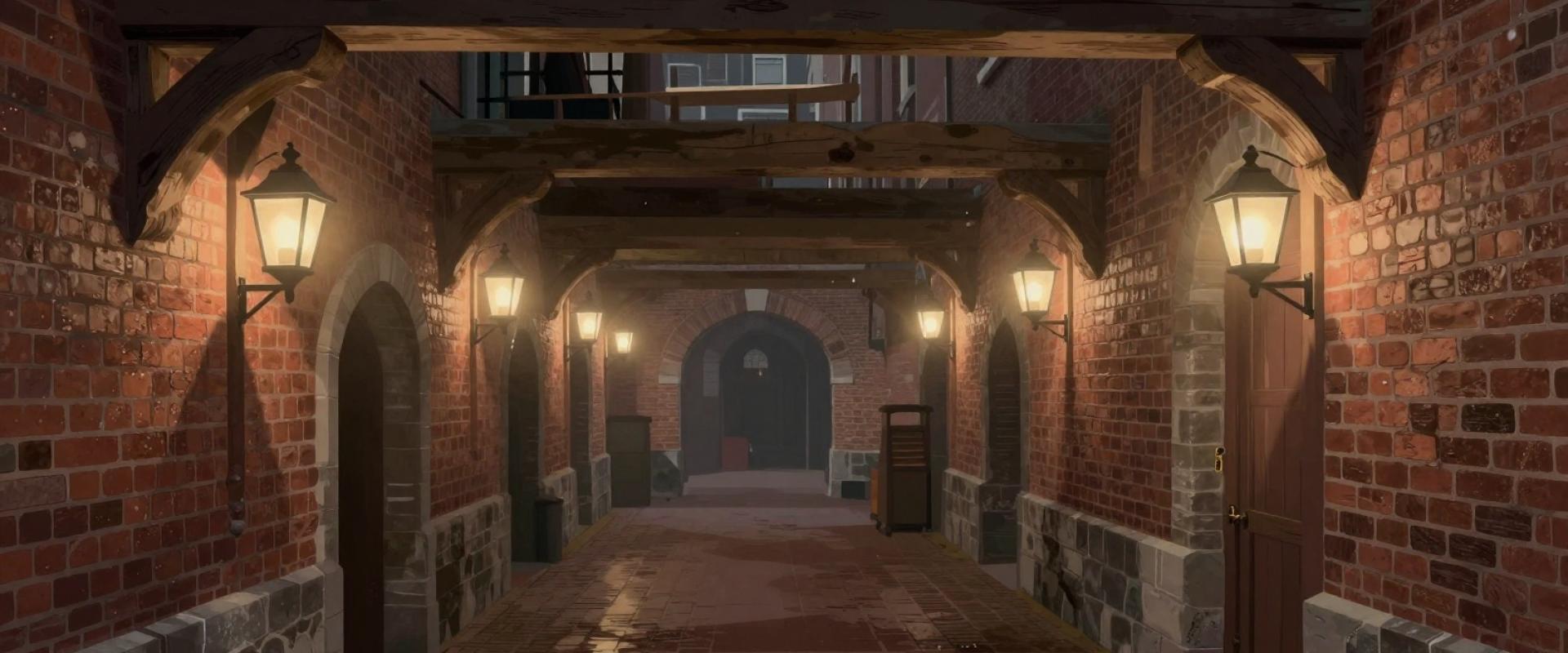
Walking through these underground chambers feels less like a tour and more like slipping into a different era. The dim lighting highlights the texture of the old walls, while the clink of glasses and low hum of conversation blend with the sound of the canal. It is an intimate setting, far removed from the crowded streets above. Here, time seems to slow down, allowing you to truly absorb the atmosphere.
This unique spatial arrangement invites you to meander through centuries of Utrecht’s past. Each cellar tells a subtle story of trade and daily life, preserved in the very architecture. You are not just a spectator; you are part of the scene, sharing space with the history that surrounds you. The experience is sensory and immediate, grounding you in the present while connecting you to the past.
Local Tip: For the best experience, choose a terrace spot on the lower level during golden hour. The interplay of sunset light filtering down from the quay level, bouncing off the water and illuminating the brick vaults, creates a magical, almost theatrical ambiance that is impossible to replicate elsewhere.
Your Stone-Step Adventure Awaits
Descend from the bright, bustling canal level into the cool, shadowed embrace of the Oudegracht’s medieval wharf cellars. The air grows damp and heavy, carrying the faint, mineral scent of centuries-old stone, while the distant lap of water against the brickwork echoes softly in the narrow passages. These underground chambers, once the bustling heart of Utrecht’s trade, now offer a quiet, tactile connection to the merchants who once bargained here. Walking on worn stone paths, you trace the same footsteps that carried wool, timber, and spices through the city’s veins. This isn’t just a tour; it’s an immersion into a layered past where history feels palpable rather than distant. Imagine standing in a space where time seems to have paused, allowing you to touch the very walls that witnessed the rise and fall of empires. Let the dim light guide your curiosity as you wander through these remarkable subterranean corridors. Your own journey through Utrecht’s hidden depths is waiting to begin.