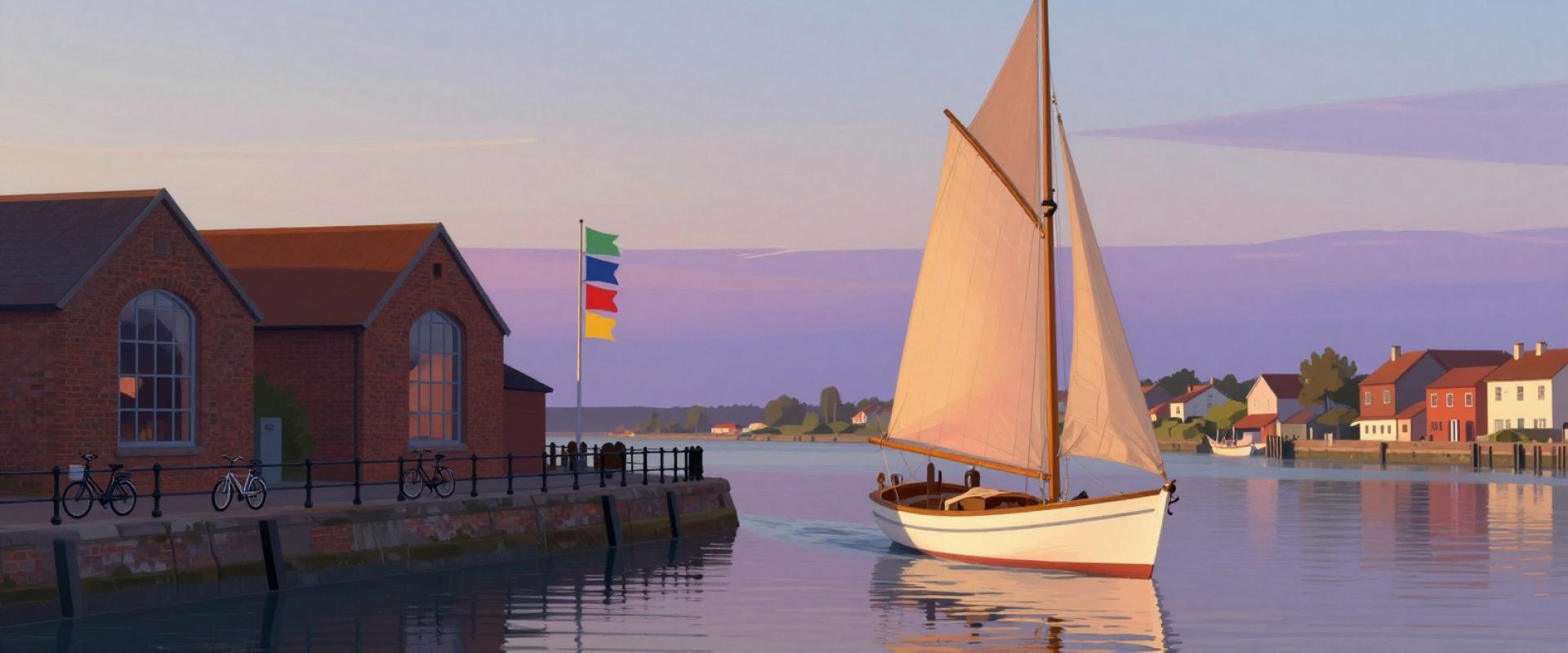
The Golden Hour on the Tidal Canvas
The Wadden Sea is not merely a place; it is a living organism shaped by lunar gravity. As a UNESCO World Heritage Site, this landscape operates on a primitive, relentless clock. During the summer months, the sunset does not simply fade; it ignites the sky in striking shades of amber and violet, perfectly timed with the receding tide. Vast sandbanks emerge from the depths, stretching endlessly toward the horizon like a pale, glistening desert. This is not a passive spectacle. It is an active negotiation with nature’s mechanics.
Historical sailboats, engineered specifically for these shallow waters, run aground during low tide. Departing from the historic port of Harlingen, crews guide passengers into this profound quietude. The water level drops significantly every six hours, dictating every movement and decision. You might choose to return the same day, or sleep on the sea, listening to the gentle lap of water against the hull as the tide lifts you back into navigation. Surrendering to these rhythms offers a perspective that land-based travel can never replicate. The incoming tide eventually signals the end of the excursion, a moment that reminds us humanity does not dominate here—it cooperates. The golden hour becomes a state of being, where the boundary between sky and sea blurs into a single, shimmering canvas.
The Wadden Sea operates on a strict six-hour cycle. Water recedes, leaving behind vast, glistening mudflats that carry the distinct scent of salt and decaying organic matter. This predictable rhythm demands respect, not just from sailors, but from anyone stepping onto the soft, shifting ground. Launching from Harlingen or the nearby town of Lauwersoog provides the most strategic access to these dynamic zones.
Traditional vessels here are built differently than standard yachts. They feature flat bottoms designed to rest securely on the seabed during low tide. This structural quirk allows for guided hikes across the flats—a practice known locally as wadlopen—before the rising water gently lifts the hull back into navigation. Safety hinges on precise timing rather than speed. While summer sunsets provide a serene backdrop, the real danger lies in misjudging the incoming tide. The area’s UNESCO status highlights more than just scenery; it marks a fragile ecosystem where every misstep matters. Patience becomes your greatest asset. Low tides expose hidden channels and diverse wildlife, while high tides restore the maritime pathways. This constant exchange is not merely a backdrop. It is the very heartbeat of the journey. Plan your route around these natural shifts to ensure a voyage that is both safe and deeply memorable.
Whispers of the Wild
Harlingen anchors the edge of this sanctuary, where the ebb and flow of the tides shape daily life. Grey seals often rest on exposed sandbanks as the sun begins its descent, casting long shadows across the mud. This critical habitat supports vast numbers of migratory birds and marine mammals, requiring visitors to observe with quiet reverence. Sailors must navigate shallow channels with care, steering clear of fragile ecosystems to preserve the region’s natural balance.
While dolphins are less common in these muddy flats than in open waters, their occasional appearance near the hull during calm evenings feels like a rare gift. These sightings remind us that we are guests in a delicate landscape. The experience connects you deeply with Dutch maritime heritage, offering a profound sense of history and continuity. Every glance at the wildlife feels like a quiet privilege. Protecting this environment remains a shared duty for everyone who visits, ensuring that the wild rhythms of the Wadden continue uninterrupted for future generations.
Armor Against the North Sea
The Wadden Sea’s tidal rhythm demands respect, not just admiration. Conditions shift rapidly from calm to crisp, requiring gear that performs under pressure. A high-quality waterproof jacket from reputable brands like Bergans or Helly Hansen typically costs between €80 and €150, serving as your primary defense against the elements. Beneath this shell, layering becomes essential. A merino wool base layer, priced around €40, retains warmth even when damp, keeping you comfortable during sudden temperature drops.
Safety gear warrants equal attention. Most charters mandate a personal flotation device, with rentals running approximately €10 to €15 per day. Navigation tools are equally critical because tides change every six hours. A waterproof GPS or detailed tidal charts help you navigate safely, especially when sudden fog or wind shifts obscure Harlingen’s harbor entrance. Always check the KNMI weather forecast before departing. Your safety depends on being ready for the elements. The wind chill on deck is real, so bring gloves. This practical approach ensures you enjoy the sunset without discomfort. The sea offers beauty, but it demands proper preparation.
Echoes of the Tide
Harlingen serves as the launchpad for these distinct expeditions. You board sturdy vessels built to rest softly on the sand. This grounding enables guided hikes across exposed tidal flats, where maritime tradition meets raw nature. UNESCO recognition highlights the ecological weight of this landscape, reminding us that our presence here is temporary. Excursions typically cost €50 to €80 per person, with overnight stays on the water commanding a higher price for the unique solitude they offer.
These journeys connect you to tidal rhythms in a way that modern life rarely permits. Witness the land-sea interplay. Silence speaks volumes in this environment. Let the changing light guide you. Nature and history intertwine deeply here, creating a tapestry of experience that lingers long after the tide has turned. Feel the pulse of the earth beneath your feet. The Wadden Sea does not just host you; it transforms you.