



The Digital Pulse of the Low Countries
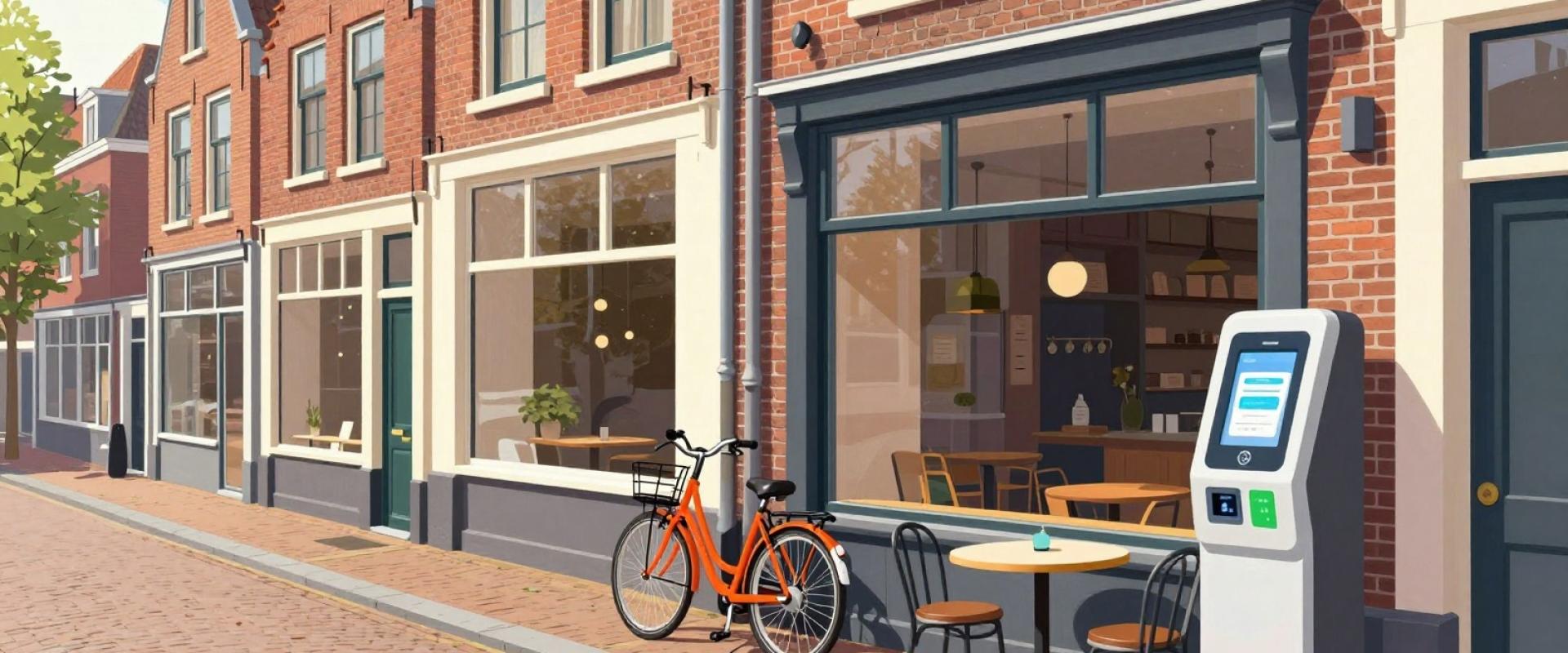
Physical euro notes have largely vanished from daily circulation, replaced by a society that operates almost entirely on digital transactions. From upscale boutiques in Amsterdam to cozy cafes in Groningen, contactless payment is the universal standard. This shift is not a fleeting trend but a deeply ingrained norm, supported by ubiquitous chip-and-PIN infrastructure that makes retail interactions seamless and swift.
The Netherlands leads the euro area in this rapid adoption, according to the European Central Bank’s 2024 study on payment attitudes. While the broader region sees declining cash usage, Dutch daily life vividly illustrates this surge in digital efficiency. For newcomers, understanding this landscape is crucial. Major banks like ABN AMRO, ING, and Rabobank facilitate currency exchanges at transport hubs, often providing better rates through GWK offices for students. Avoid unofficial street exchangers entirely; such offers are invariably scams, as no informal cash market exists here.
Tipping reflects this modern convenience, with rounding up bills or leaving a small percentage common in restaurants and for taxi services. Digital tips via apps are also gaining traction, further reducing the need for physical coins. Because cash is so rare, ensuring your card is enabled for international use is essential. Travelers who embrace this system enjoy a smoother experience, avoiding the hassle of hunting for ATMs. Your card has effectively become your wallet, blending tradition with technological precision to define the contemporary Dutch journey.
The Netherlands runs on digital precision. Cash is vanishing from daily life, though it remains legal tender for small purchases. Most cafes, shops, and even some public transit systems prefer electronic payments. This shift defines the modern Dutch experience. Banks like ABN AMRO, ING, and Rabobank support this norm. Their apps offer real-time spending monitoring and secure account management. These tools integrate seamlessly into your daily routine.
Arriving travelers often need local currency. Official exchange offices like GWK operate at Schiphol Airport. They provide transparent rates and reliable service. Avoid unofficial street exchangers completely. There is no informal currency market here. Such offers are almost certainly scams. Stick to licensed providers to keep your funds safe.
Card usage dominates transactions across the country. Chip-and-PIN technology is the standard. Contactless payments are widely accepted everywhere. Ensure your card supports these features to avoid checkout friction. Many travelers benefit from multi-currency accounts. Such apps hold various currencies to reduce conversion costs. They simplify budgeting and eliminate foreign transaction fees.
Tipping remains discretionary but appreciated. A five to ten percent tip is customary in restaurants if service is excluded. Rounding up the bill suffices for taxis or hotel staff. This practice reflects fairness rather than obligation. Planning your financial approach allows you to engage with the Netherlands on its own terms. Precision in money matters significantly enhances your travel experience.
The Nuanced Art of Tipping
Tipping in the Netherlands operates on a frequency entirely different from the American model. Dutch service staff earn a solid living wage, removing the financial pressure to rely on tips for survival. This structural foundation creates a relaxed atmosphere where gratuity is a voluntary gesture of appreciation, not a social obligation.
Check your bill carefully before you pay. Many restaurants in Amsterdam or Rotterdam automatically include a service charge, known as servicekosten, which typically sits around 15%. This fee is often explicitly listed on the menu or the final receipt. If you see this charge, leaving extra money is unnecessary. The staff is already compensated fairly for their work.
However, exceptional service deserves recognition. Rounding up the bill or leaving five to ten percent in cash is a kind way to acknowledge great effort. For a simple coffee at a local café, rounding up to the nearest euro or leaving small change is sufficient. Tipping is never mandatory, yet it remains a warm gesture of respect for good service.
This approach reflects deeper Dutch values of directness and fairness. Hospitality is provided with integrity rather than expectation. A sincere thank you often holds as much weight as a few extra euros. The absence of rigid rules allows for more genuine interactions between servers and guests.
International visitors often find this system reduces the anxiety associated with dining out. It encourages a focus on the quality of service and the overall experience. You stop worrying about the mechanics of payment and start enjoying the moment. Embracing this nuance allows you to participate in the local rhythm with ease.
Financial transactions remain straightforward and honest. Let your gratitude be expressed naturally, without the pressure of hidden expectations. This simplicity is part of what makes Dutch hospitality so welcoming and distinct. Enjoy the freedom of a society where money matters are clear and uncomplicated.