The Hague's Coastline at a Glance
The Hague is one of the few European capitals of government with a long sandy beach inside its city limits. The coast runs from north to south in several distinct sections:
- Noorderstrand: North of the pier, a wide beach that gets quieter the further north you walk, with beach pavilions in season.
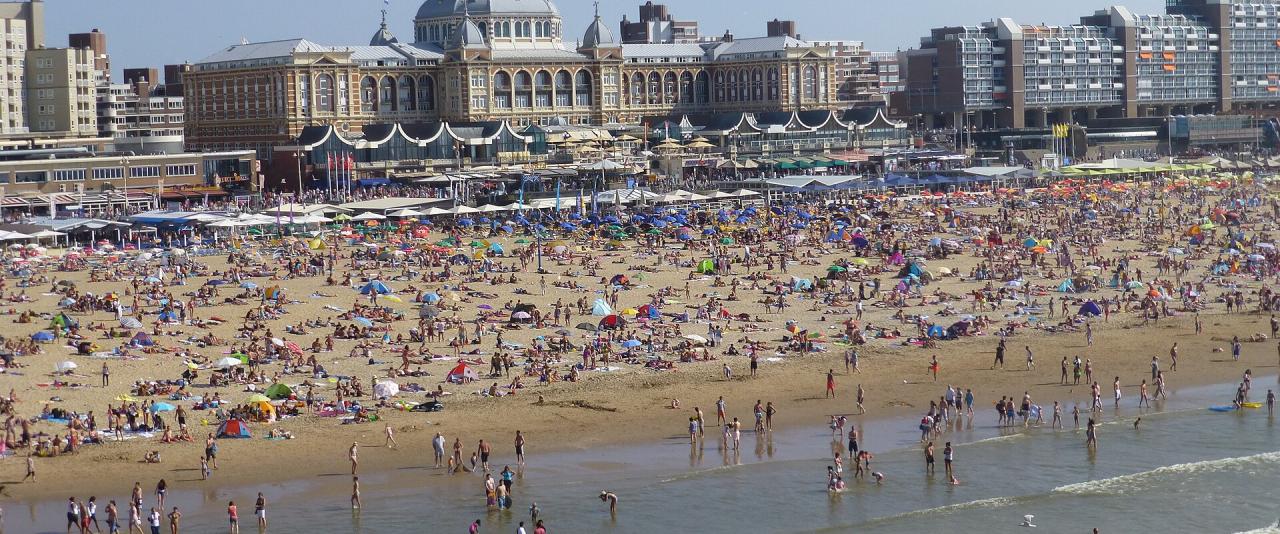
- Scheveningen Bad: The central resort beach in front of the Kurhaus and the boulevard, with the pier, shops and restaurants. The busiest stretch.
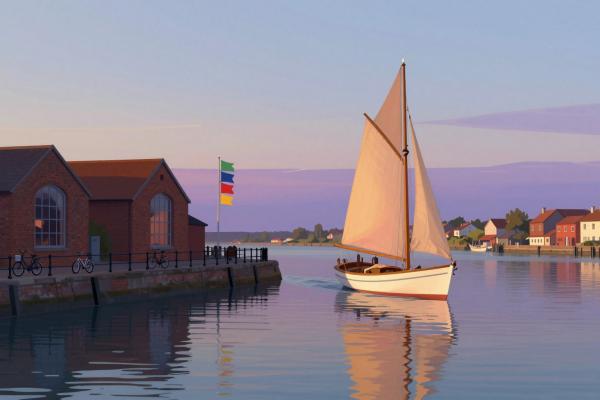
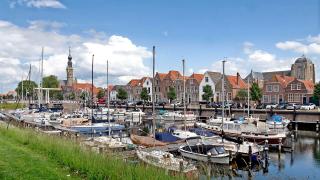
- Scheveningen Haven: The fishing and yacht harbour, with restaurants along the quays.
- Zuiderstrand: South of the harbour, backed by dunes and generally calmer than the centre.
- Kijkduin: Further south again, a smaller resort with its own boulevard and beach.
Which one suits you depends on whether you want amenities and atmosphere or space and quiet.
Getting There
Trams are the easiest way to reach the coast from the city. Tram 9 runs from Den Haag Centraal to Scheveningen, and trams 1, 9, 11 and 12 serve different parts of the seafront from the city and Den Haag HS station; the ride takes about 20 minutes. For the Noorderstrand, trams 1 and 9 stop at Zwarte Pad. For the harbour and Zuiderstrand, take tram 11 or 12, or buses 22 and 28. On warm summer days, operator HTM runs extra express trams between the city stations and Scheveningen.
You can pay by tapping a contactless bank card or phone on the card readers on board. Driving is possible, but parking near the beach is limited and expensive on hot days, and roads into Scheveningen are often congested.
Scheveningen Bad: Pier, Kurhaus and Boulevard
The centre of Scheveningen is a classic seaside resort. The Kurhaus, a grand hotel that opened in 1885, faces the beach. The pier stretches out over the sea and has a Ferris wheel at its end, giving views along the coast. Along the boulevard you find restaurants, ice-cream shops, Sea Life Scheveningen, an aquarium that is useful on a rainy day, and in summer a row of beach pavilions with sunbeds and parasols for hire.
It is lively, and on sunny weekends very crowded. Arrive in the morning to find space close to the water, or walk a few hundred metres north to find more room.
Quieter Beaches: Noorderstrand, Zuiderstrand and Kijkduin
If you want space, head away from the pier. The Noorderstrand thins out the further north you go, with dunes behind and fewer facilities. Zuiderstrand, on the far side of the harbour, is backed by dunes and popular with local families, kite flyers and surfers. Kijkduin, further south, has a smaller centre with cafés and is usually more relaxed than Scheveningen.
These beaches have fewer facilities than the central resort outside the main pavilions, so bring water, snacks and something to sit on.
The Harbour and Fish
Scheveningen grew up as a fishing village, and fish is still part of its identity. The harbour area has restaurants and fish stalls serving fried fish (kibbeling), herring and seafood platters. In June, Vlaggetjesdag (Flag Day) traditionally celebrates the arrival of the new season's herring, with the harbour decorated with flags. Muzee Scheveningen tells the story of the old fishing village and the resort.
Swimming and Safety
The North Sea is cool even in summer, and conditions change with the wind and tide.
- Swim near lifeguard posts where they are present, and follow flags and signs.
- Stay away from the pier, the harbour piers and groynes, where currents are stronger.
- Never swim in the harbour mouth.
- Watch children closely; waves and sandbanks can catch them out.
- Inflatables can be blown out to sea in an offshore wind.
Practical Tips
- Season: Beach pavilions are mostly seasonal and open from spring to autumn; in midsummer many stay open into the evening.
- Weather: Even hot days can be windy on the beach. Bring a windproof layer, sunscreen and a hat.
- Timing: Sunset over the sea is one of the best times on the boulevard and pier.
- Rain plan: Sea Life, Muzee Scheveningen and the city's museums, including the Mauritshuis and Kunstmuseum Den Haag, are within a short tram ride.
- Events: Check The Hague's official tourism site for summer events, as these change from year to year.