







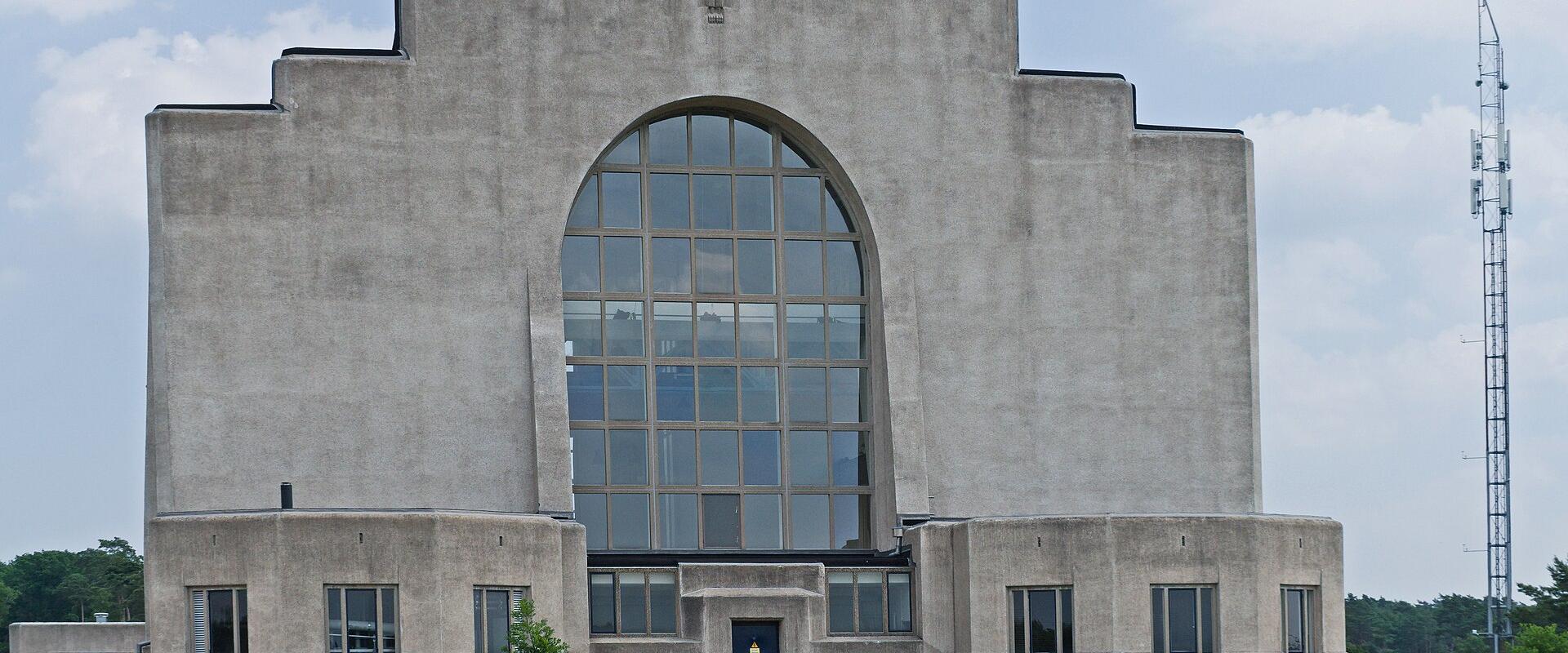
Radio Kootwijk Main Building (Main Building A – The Cathedral)
Art Deco radio transmitter known as The Cathedral
- Where
- Radio Kootwijk, Veluwe
- Directions
- Directions
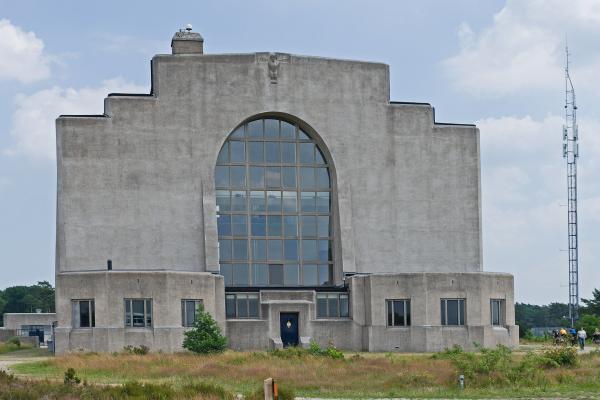
The Main Building of Radio Kootwijk, known as Main Building A,, nicknamed the Cathedral, is a monumental piece of early twentieth-century architecture standing on the heathland of the Veluwe near the village of Kootwijk. It was designed by Julius Maria Luthmann and completed in the early 1920s as the nerve centre of a long-distance radio station, and its soaring concrete form and tall, arched windows give it a character that is at once industrial and almost religious, hence the name. Descriptions vary between Art Deco and Amsterdam School expressionism, and the building mixes elements of both.
The station was built for a practical reason. The Netherlands needed a direct wireless link with its colony in the Dutch East Indies, today's Indonesia, and the telegraph cables of the time were slow, expensive and controlled by others. At Kootwijk, a huge antenna system was erected across the heath, powered by a large alternator housed in the main building, and signals were sent across the globe on long waves. The first regular radiotelegraph connection with Java was a landmark in Dutch communications.
Inside, the main hall is the most impressive space. High vaults, tall windows and a ceremonial scale make it feel more like a church than a factory, which reflects the importance that the builders attached to the project. The machinery has long since been removed or replaced as technology moved on, and the station was eventually closed. For years the building stood empty, but it has since been protected and restored and is now used for exhibitions, events and tours.
The setting adds to the experience. The surrounding landscape is a mix of heath, forest and the drifting sand dunes of the Kootwijkerzand, one of the largest areas of inland sand drift in Europe, and the contrast between the grand building and the wild landscape is striking. Walking and cycling routes cross the area, and the Veluwe's famous wildlife, including deer, is sometimes seen in the early morning.
The building suits architecture fans, history enthusiasts and anyone who likes unusual places. Public access is often limited to organised visits or special events, so check the arrangements well before going. Combined with a walk on the heath, it makes a rewarding half day in a quiet part of the Netherlands.
Categories
More photos coming soon
Nearby Attractions
Closest attractions by distance
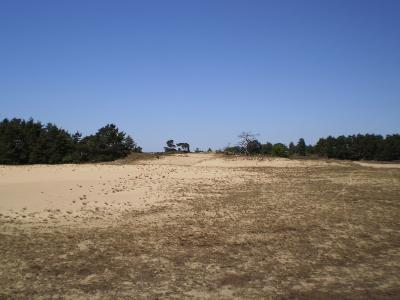
Kootwijkerzand 4.0-km Loop Trail
Sandy heathland trail through Dutch desertscape
Natural Wonders · Hiking Trails
Kootwijkerzand Orange Trail (3.2 km)
Largest drifting sand area in Western Europe
Natural Wonders · Hiking Trails
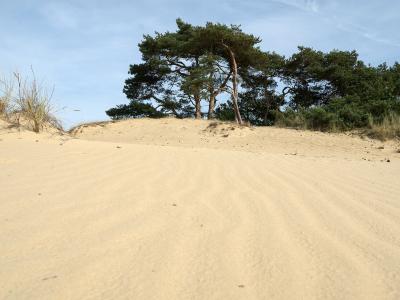
Rangers Trail (18.5 km)
18.5 km loop through dunes, wetlands, and forest
Activities & Adventure · Natural Wonders

Boswachterij Kootwijk
Largest sand drift and forest reserve in Netherlands
Natural Wonders · Hiking Trails

Het Kootwijkerzand
Vast sand dunes framed by Veluwe forest trails
Natural Wonders · Hiking Trails

Celtic Fields
Iron Age Celtic Fields with replica farmstead
Natural Wonders · Hiking Trails

National Park De Hoge Veluwe
Holland’s largest park with diverse wildlife habitats
Natural Wonders · Hiking Trails
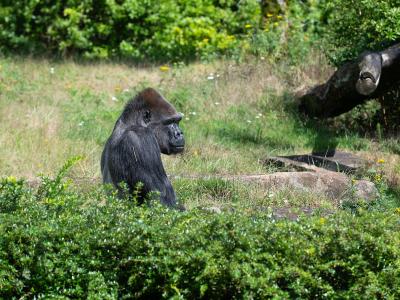
Apenheul Primate Park
Free-roaming primates in a Dutch forest
From €21.50 Activities & Adventure · Zoos & Aquariums
Questions people ask
Quick Facts
Best Time to Visit
Late spring to early autumn (May–September) offers mild weather, blooming heath, and ideal conditions for hiking, cycling, and exploring the sand drifts.