







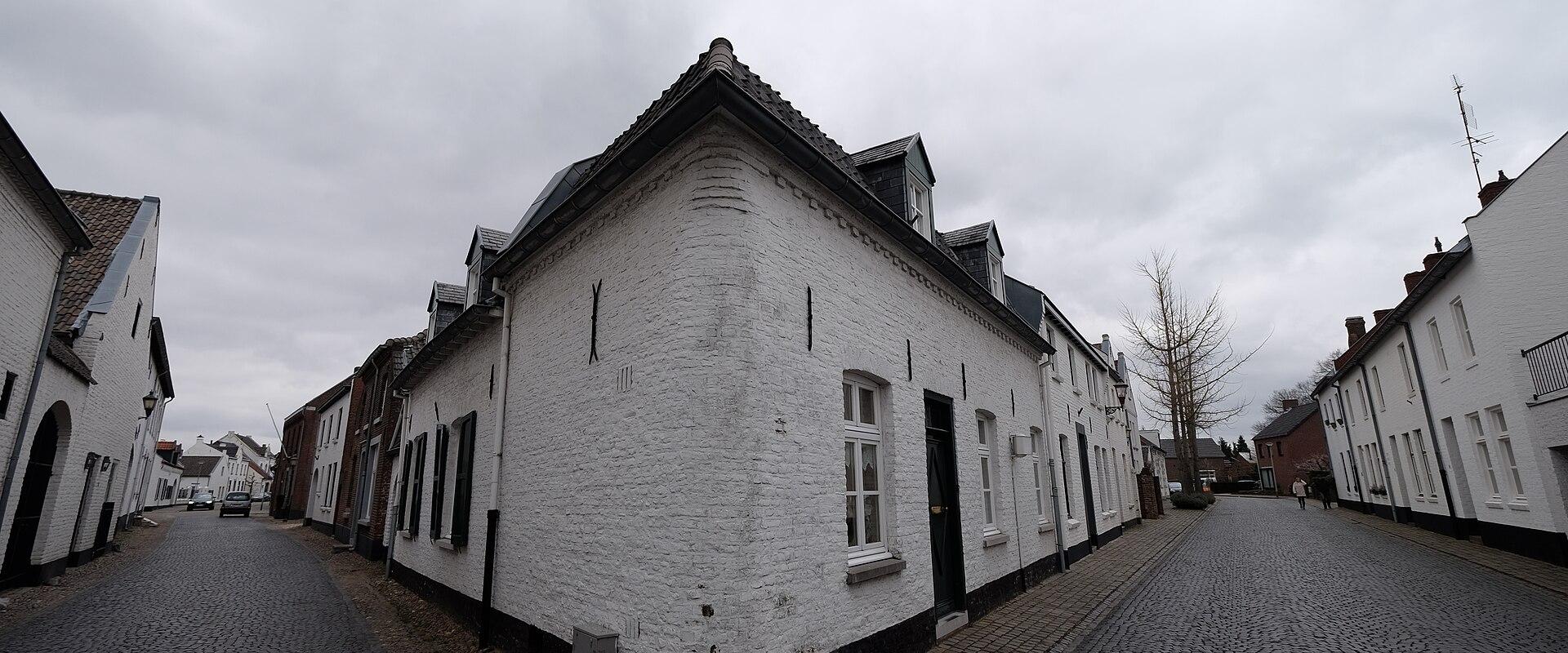
Thorn lies in the province of Limburg, in the south of the Netherlands, close to the Belgian border on the western bank of the Maas. It is one of the most distinctive and photogenic villages in the country. Its origins go back to the 10th century, when a Benedictine abbey for noblewomen was founded here. Over time Thorn became the centre of a tiny independent territory, ruled for centuries by abbesses and noblewomen, a rare example of medieval female governance within the Holy Roman Empire. The territory came to an end when French revolutionary troops arrived at the end of the 18th century. This unusual history is reflected in the village’s architecture, traditions and sense of community.
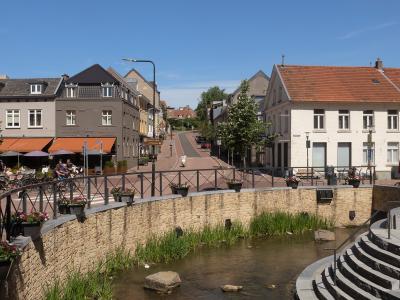
The best-known feature of Thorn is its white houses. According to a popular explanation, the tradition began in the late 18th century, after the abbey was dissolved, when the French introduced a tax linked to the number of windows and residents bricked up windows and painted over the patches. Whatever the true origin, the uniform white façades, set against the imposing tower of the Abbey Church, create a fairytale atmosphere that draws photographers and artists from across Europe.
The Abbey Church of St. Michael, the Sint-Michaelskerk, is the spiritual and architectural centre of the village. This large church, with Romanesque and Gothic elements, has a high nave and a richly decorated interior, and it is open to visitors and used for concerts and cultural events. The Church’s treasury and the nearby museum explain the long history of the abbey. Next to it lies the Wijngaard Square, a lively gathering place with cafes and shops selling local specialities and crafts.
Thorn’s compact centre is ideal for exploring on foot or by bike. Visitors can wander the cobbled lanes, find quiet courtyards and learn about the history of the village in the local museum. The surrounding countryside offers walking and cycling routes along the Maas River, through meadows and past old chapels and windmills. The closeness of Belgium adds a cross-border flavour to the food and culture, and restaurants serve both Dutch and Belgian dishes.
Cultural life is enriched by seasonal festivals, art fairs and music events, especially in the summer months, when the village fills with visitors and locals. The peaceful setting and welcoming atmosphere make it a good choice for couples, families and anyone who wants a quiet escape in the Limburg countryside.
Getting to Thorn is straightforward by car, with good road connections from Maastricht, Roermond and the wider Limburg region. Regional buses provide public transport, and parking is available on the edge of the village to protect its historic character. Accommodations range from boutique hotels and guesthouses to riverside campsites.
The best time to visit Thorn is from May to September, when the weather is mild and the white façades, gardens and riverside walks are at their most inviting. Spring and early autumn also offer pleasant conditions, with fewer crowds and good light for photography. Early mornings, before day visitors arrive, are especially good for photographs.
Whether the interest is history, architecture or the tranquil beauty of the Maas valley, Thorn is a memorable and unusual Dutch village.
Best time to visit
May to September offers mild weather, blooming gardens, and ideal conditions for walking, cycling, and exploring Thorn’s whitewashed streets and riverside scenery.
What to see in Thorn
Our picks first.

Abbey Church (St Michaelskerk / Abdijkerk Thorn)
Gothic abbey church in Thorn’s historic white town
History & Heritage · Historic Churches

Gemeentemuseum 'Het Land Van Thorn'
Museum tracing Thorn’s history from Roman to medieval
Cultural Experiences · History & Heritage

Museum Abdijkerk Thorn
800-year-old abbey church with relics and treasures
History & Heritage · Historic Churches

St Michaelskerk (Abbey Church)
14th-century Gothic abbey founded in 975
History & Heritage · Historic Churches

Thorn's white-painted buildings
Whitewashed town shaped by female rulers and window tax
Cultural Experiences · Urban Exploration

Thorn – The White Town
Medieval village known as the White Town
Cultural Experiences · History & Heritage
Thorn by interest
The same sights, grouped by what you came for.
- History & Heritage
- Abbey Church (St Michaelskerk / Abdijkerk Thorn) Gemeentemuseum 'Het Land Van Thorn' Museum Abdijkerk Thorn St Michaelskerk (Abbey Church) Thorn – The White Town
- Historic Churches
- Abbey Church (St Michaelskerk / Abdijkerk Thorn) Museum Abdijkerk Thorn St Michaelskerk (Abbey Church)
Did you know?
Checked facts about Thorn, each with its source.
-
History
Thorn Preserves Medieval Heritage
Thorn is a picturesque village in Limburg, Netherlands, renowned for its striking whitewashed houses, cobbled streets, and rich medieval history.
Source: Thorn (Limburg) - Wikipedia -
History
Thorn Is Shaped by a River
The village is set along the Maas River and features notable landmarks such as the impressive Abbey Church of St.
Source: A Plea to Recognize the Legal Rights of the Maas River
Planning a visit to Thorn
Itineraries that include Thorn
Good to know
- Currency
- EUR
- Language
- Dutch
Quick Facts
Book your stay
Questions people ask
More places in Limburg
Limburg
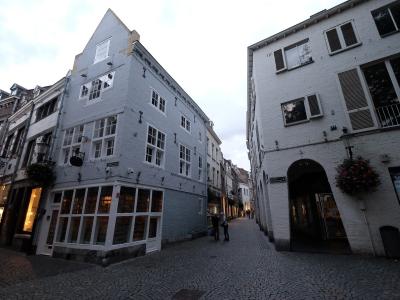
Maastricht
Historic city of culture, caves, and culinary delights
Limburg
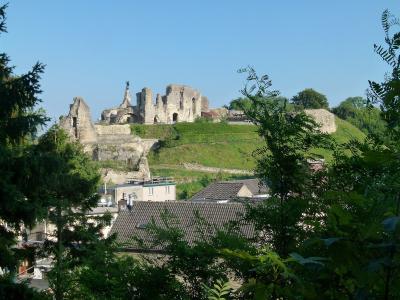
Valkenburg aan de Geul
Limestone caves, castle ruins, and hilly Limburg scenery
Limburg
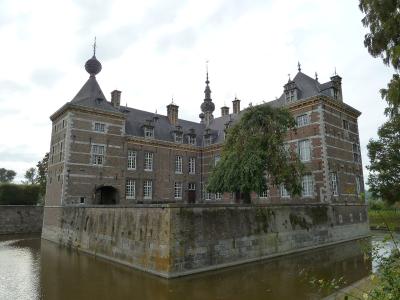
Eijsden
Castle village on the Maas with riverside charm and Limburg hills
Limburg
Gulpen
Hilly Limburg village with brewery, hiking, and valleys