
Sinterklaas Surprise

Witness the historic steamboat arrival and savor traditional Dutch sweets during Sinterklaas season.

By Sven de Vries Jan 6, 2026 4 min read

The Steamboat’s Wake: November 16th Magic

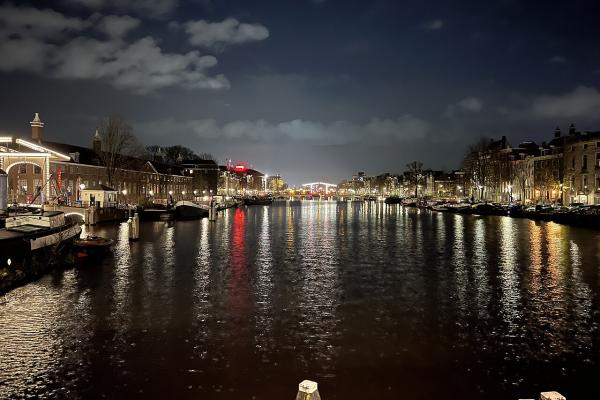
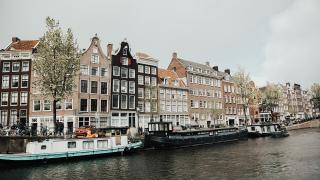
The Rhine does not merely flow; it seems to hold its breath as the steamboat Prinses Amalia cuts through the gray waters, docking in Amsterdam on November 16, 2024. This arrival is the starting pistol for a nationwide cultural phenomenon that exists entirely apart from the winter holidays that follow. While the world braces for Christmas, the Netherlands enters a distinct, sugar-fueled interlude dedicated to Sinterklaas. It is a time when the mundane world pauses for the miraculous, creating a shared national identity rooted in childhood wonder rather than religious observance.

Parents and communities work in tandem to sustain this illusion. The magic is not left to chance but is carefully curated, with shoes placed by radiators overnight, waiting for the arrival of small gifts or treats. Schools become temporary theaters of anticipation, hosting specific songs and surprise performances that transform ordinary classrooms into hubs of festive energy. These local traditions do not stay contained; they ripple outward, culminating in vibrant parades that sweep through towns and cities, drawing families together in a collective display of joy.

The festivities maintain a steady, joyful momentum until December 5, creating a unique cultural rhythm that defines the Dutch winter. For children, the enchantment feels undeniably real, fueled by the promise of sweets and the warmth of community support. As the celebrations unfold, the Netherlands transforms into a stage for this beloved ritual, offering a shared experience that bridges generations and connects the present to a deep, historical past.

Sugar Rush Chronicles: Goes to Gouda

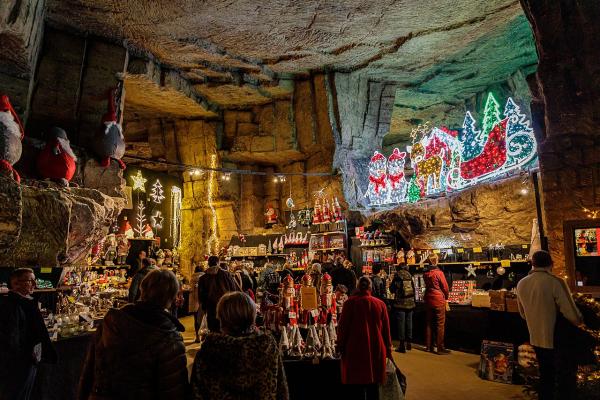
When the steamboat docks, it triggers an immediate, nationwide scramble for specific confections. You will find shelves stripped bare of pepernoten (spiced nut cookies) and speculaas (spiced shortcrust pastry) within hours of the arrival. These are not merely snacks; they are the essential currency of the season. For children, the highlight is the chocolate letter, a personalized treat that has become synonymous with the holiday. Each letter represents a name, turning the act of eating into a personalized ritual of celebration.

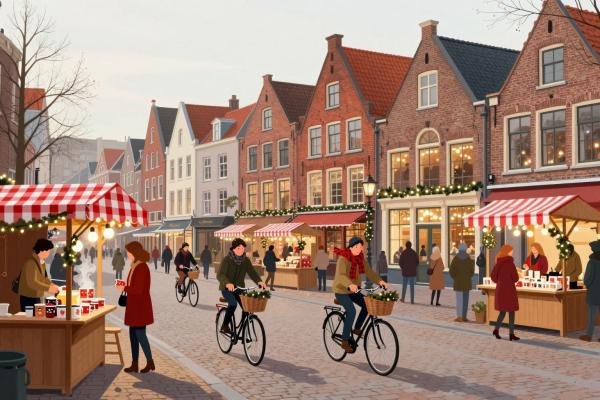
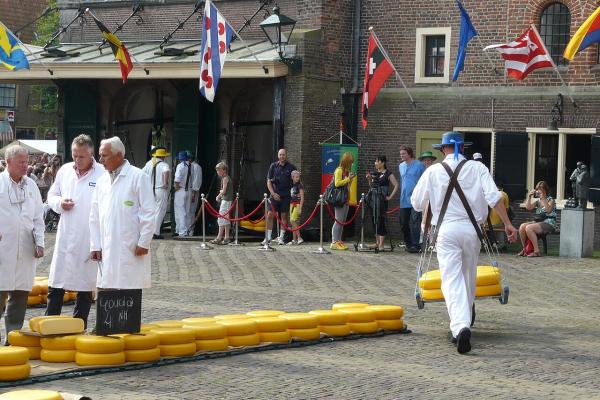
Parades bring the festivities to the streets, where Sinterklaas, mounted on his white horse Amerigo, rides alongside his helpers. The air grows thick with the scent of warm spices and roasted almonds. In cities like Gouda, local artisans offer handmade versions of these treats, preserving regional recipes that date back centuries. Parents carefully maintain the myth for younger children, shielding the magic from skepticism while schools join the fun with traditional songs and surprises. It is a time defined by sharing joy, both literally and figuratively. The aroma of spices fills the air, inviting you to step outside and experience the celebration firsthand.

Unpacking the Pieten Paradox

The arrival of the steamboat ignites a complex cultural conversation that has fundamentally reshaped how the Netherlands approaches tradition. For decades, the depiction of Zwarte Piet (Black Pete) in blackface drew sharp criticism for reinforcing harmful racial stereotypes. This external pressure prompted a significant shift in public practice, moving the tradition away from its colonial roots. Today, many families have moved away from blackface, opting instead for helpers with brown faces or entirely white-painted skin, a change that mirrors a broader societal commitment to inclusivity.

This evolution is visible everywhere, from museums showcasing historical variations to schools adapting their festive songs to be more respectful. Despite these changes, the core magic of the holiday remains intact for children. Parents carefully balance the preservation of this childhood wonder with the need for modern sensitivity, ensuring the myth survives without causing offense. Progress here is steady rather than sudden, driven by a collective desire for respect and diversity.

The Netherlands is evolving gracefully, allowing tradition to meet new values without discarding its heart. You witness this tension in real time—it is real, vital, and deeply human. The sweet treats stay, but the helpers change. This paradox defines the current Sinterklaas experience. Engaging with it requires listening to local voices and understanding the history behind the celebration. Celebrate with awareness, and you will find a community that values both its past and its future.

Your Grand Finale: Join the Spectacle

The massive steamboat cuts through the river, marking Sinterklaas’s official arrival in the Netherlands on November 16, 2024. This moment sparks a month-long frenzy of parades where the Saint rides his horse alongside his helpers, while schools fill with songs and classroom surprises. As December 5 approaches, the festivities culminate in Pakjesavond (Gift Evening), a cherished ritual where parents disguise gifts to keep the magic alive. The streets overflow with sweet treats and communal joy, inviting everyone to embrace the tradition firsthand.

This is not just a holiday; it is a living archive of Dutch culture, constantly rewriting itself to remain relevant. To truly understand Sinterklaas is to witness a society in dialogue with its own history. The steamboat’s wake is more than water disturbed; it is the beginning of a story that continues to unfold. Step into the celebration, taste the spices, and witness the magic that defines this unique Dutch winter.

Tags

Sinterklaas Amsterdam Netherlands travel Dutch culture November travel family travel seasonal traditions Rhine cruise European holidays Dutch customs

Post Overview

Published Jan 6, 2026
Author Sven de Vries
Read Time 4 min
Word Count ~834 words

Tags

Sinterklaas Amsterdam Netherlands travel Dutch culture +6 more

Book your stay

Related Stories