
Leiden’s Canal Ring
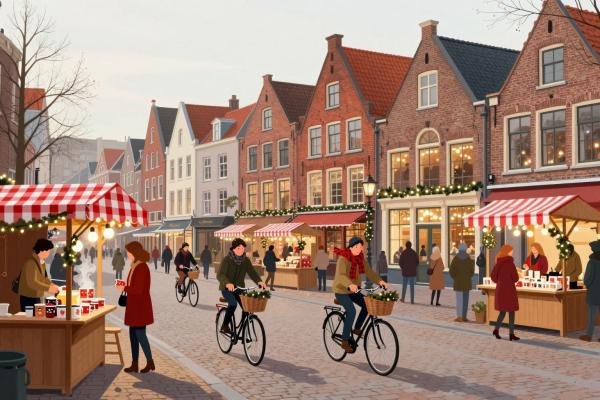
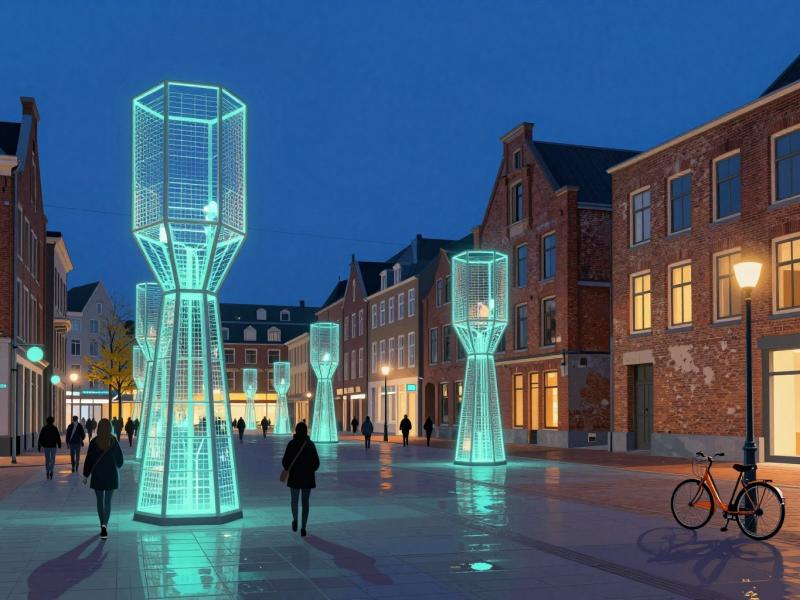
AI-generated illustration AI-generated illustration

Leiden’s Canal Ring

Walk through centuries of siege, scholarship, and stories along Leiden’s literary canals.

By Lotte van der Linden Feb 24, 2026 5 min read

Echoes of the Siege and the First Tulips

Leiden’s character was forged in the fires of 1574. For months, Spanish troops had tightened their grip on the city, leaving its inhabitants to face starvation and despair. Salvation arrived not through military might, but through a strategic breach in the dikes that flooded the surrounding plains and forced the siege army to retreat. This victory did more than save lives; it cemented a resilient identity that defines the town to this day. As a gesture of profound gratitude, William of Orange established the Netherlands' oldest university here, planting the seeds for an intellectual rebirth that continues to flourish.

You can witness the roots of this academic heritage in the Hortus Botanicus, founded in 1590. It holds the distinction of being Europe’s oldest botanical garden. Here, academic gardeners cultivated the first tulips on the continent, sparking a botanical revolution that would eventually captivate the world. Today, the garden remains a quiet sanctuary where history blooms behind high walls.

The city’s compact center is a labyrinth of 88 bridges and an extensive network of canals. It offers a serene, student-filled alternative to the chaotic energy of Amsterdam. This is the birthplace of Rembrandt, born here in 1606, and the place where Baruch Spinoza studied philosophy within these historic stone walls. Walking along the Rapenburg, you trace the footsteps of giants. The air feels thick with centuries of thought and resilience. Each canal reflects not just the sky, but a deep, enduring history. The university’s influence permeates every brick and beam, creating a place where past and present converge quietly. You will find a slower pace, yet one of deep intellectual vibrancy. The legacy of the siege and the bloom of the tulip remain intertwined, symbolizing survival and beauty rising from hardship.

Ink, Paper, and the Ghosts of Pilgrims

Leiden’s eighteenth-century printing houses did far more than produce books; they shaped European thought. Today, that intellectual DNA remains visible in the city’s architecture and atmosphere. Students stroll beneath the Gothic arches of the Hall of the States, the very space where William of Orange founded the university in 1575. The Leiden University Library stands as a testament to this legacy, holding over two million volumes, including rare incunabula that whisper of earlier centuries. While access to specific archives requires a student card, the public sections invite quiet contemplation among towering shelves.

Near the Rapenburg, statues of Rembrandt and Joost van den Vondel stand sentinel over the water. This is not merely a university town; it is a living archive of ink and intellect. The air often carries the distinct scent of old paper and damp stone, a fragrance uniquely Leiden. You will find quiet corners where history feels immediate and tangible, far removed from the rush of modern tourism.

A short walk leads to the Pilgrim Fathers Museum, located in the building where John Robinson once preached before crossing the Atlantic. His congregation sought religious freedom, leaving a legacy that echoes profoundly in American democracy. Entry costs €11.50, a small price for such profound historical context. Meanwhile, a coffee at a waterside terrace costs roughly €3.50, offering a moment of pause. Listen to the water lap against the brickwork. Leiden rewards the curious mind with depth and texture, inviting you to linger over a book or simply absorb the atmosphere.

Twilight on the Water: A Romantic Cruise

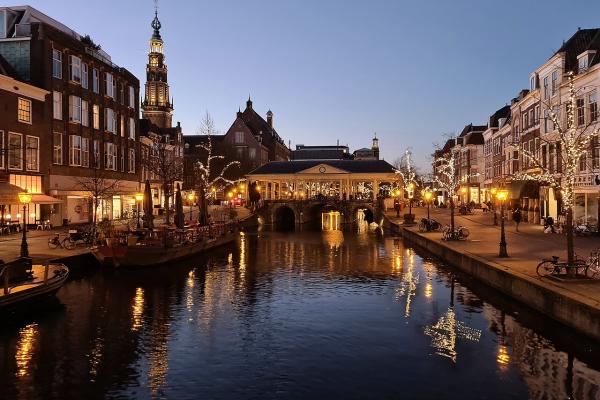
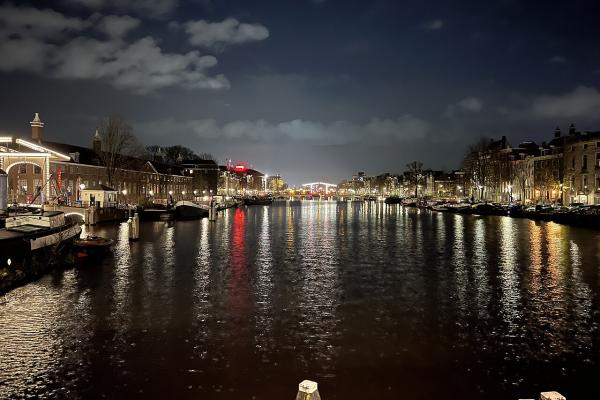
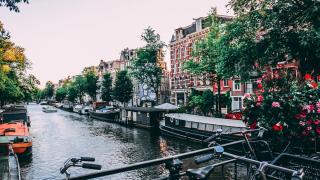
The sun slips below the horizon, turning Leiden’s 28 kilometers of canals into ribbons of liquid gold. You drift past eighty-eight stone bridges, watching historic facades shift from warm amber to cool slate. The air grows crisp, carrying the faint scent of damp limestone and distant dinner parties. While Amsterdam rushes, Leiden slows down, offering a rare chance to breathe and observe.

Guides share stories of William of Orange and the city’s deep academic roots as you glide through the darkening water. Students linger on waterside terraces, their laughter echoing softly over the surface. This pace allows for quiet reflection on Rembrandt’s birthplace, far from the tourist crush. The experience feels intimate, a visual transformation where history mirrors itself in the rippling dark.

It is not just a tour; it is a pause in time. Prices range from €15 to €20 for an hour, varying by operator. This compact charm makes it an ideal way to end a day of wandering. You leave with a sense of peace, the city lights dancing on the surface. It is a simple pleasure, yet profoundly memorable, leaving you with the feeling that you have touched the soul of the city.

Where Books Brew and Minds Wander

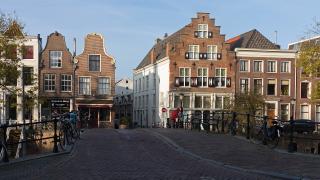
Canals define Leiden’s rhythm, turning a 28-kilometer network into a backdrop for unhurried academic life. Independent bookshops nestle near the Hooglandse Kerkgracht, their shelves heavy with centuries of thought. Students spill into nearby cafes, their lively debates contrasting sharply with the stoic university walls. While specific titles shift with the seasons, the inviting atmosphere remains constant. A steaming coffee and a fresh stroopwafel offer a familiar ritual for locals and visitors alike.

This pause allows for absorption of the literary culture that permeates the city. The compact old town encourages walking, revealing quiet corners at your own pace. History feels alive here, intertwined with contemporary student energy. Linger on canal-side terraces to fully experience this charm. Leiden does not demand your attention; it earns it through subtlety and depth, rewarding those who take the time to look closer.

Tags

Leiden travel Netherlands tourism Hortus Botanicus Dutch history Leiden University tulip history European botanical gardens cultural heritage Holland travel guide 1574 Siege of Leiden

Post Overview

Published Feb 24, 2026
Author Lotte van der Linden
Read Time 5 min
Word Count ~904 words

Tags

Leiden travel Netherlands tourism Hortus Botanicus Dutch history +6 more

Book your stay

Related Stories