

Delft’s Blue

Dive into centuries of cobalt history through clay crafting and scenic canal waters.

By Lotte van der Linden Mar 12, 2026 6 min read

The Cobalt Whisper: Unveiling Delft’s Artistic Soul

The deep blue hue that defines Dutch ceramics did not emerge from thin air; it began as a clever imitation of 17th-century Chinese porcelain. Over time, this technical challenge evolved into a distinct symbol of national identity. Today, Royal Delft, the last surviving factory from that golden era, operates within the historic De Porceleyne Fles building. Here, centuries-old techniques are not merely preserved in glass cases but are actively practiced.

Watching master potters hand-paint intricate motifs onto white earthenware reveals a process demanding serious artistic precision. The cobalt pigment, derived from imported ores, requires precise firing temperatures to achieve its signature vibrancy. This specific shade of blue remains the visual signature of Delftware, a craft that transformed from humble imitation to a revered art form. Visitors often begin their journey by observing these skilled artisans at work, witnessing the meticulous layering of paint that defines the style.

Stepping beyond observation, you can join a workshop to apply your own brushstrokes to traditional tiles. This hands-on experience transforms passive sightseeing into active creation, forging a personal link to a legacy that spans generations. Pairing this creative session with a quiet canal cruise provides a serene backdrop to appreciate the city’s architectural grace. Such an itinerary bridges the gap between historical appreciation and personal expression, allowing travelers to carry a piece of Dutch craftsmanship home. The enduring elegance of these blue-and-white pieces mirrors a broader cultural reverence for timeless design and skilled artistry.

Brushstrokes and Blue: Mastering the Ceramic Art

Delft’s signature cobalt blue carries centuries of history within its clay, but the true magic lies in the act of creation itself. In intimate workshops, often located in converted historic buildings, groups are strictly capped at fifteen people. This limit ensures that every participant receives personalized attention, transforming a simple craft session into a genuine cultural immersion rather than a crowded tourist trap.

The process begins with selecting a blank tile, a pristine canvas waiting for interpretation. You might draw inspiration from Johannes Vermeer’s masterful interplay of light or opt for traditional floral patterns that have adorned Dutch homes for centuries. An expert guide then teaches you the proper grip and angle for the brush. Applying the pigment requires layering, patience, and a steady breath. It typically takes about ninety minutes to master the delicate strokes, a period of focused calm that offers a quiet refuge from the city’s bustle.

The financial commitment is modest, typically ranging from forty to sixty euros for both the tile and the firing service. Yet, the value extends far beyond the cost. You leave with a tangible piece of art that reflects your personal style and effort. This hands-on experience serves as a relaxing counterpoint to standard sightseeing, offering a chance to slow down and appreciate the intricacies of craftsmanship. For many visitors, this workshop becomes a trip highlight, providing a sense of accomplishment that standard souvenirs cannot match. The final product, once fired, stands as a permanent reminder of the Netherlands’ rich artistic tradition.

Reflections in the Canals: A Private Waterway Journey

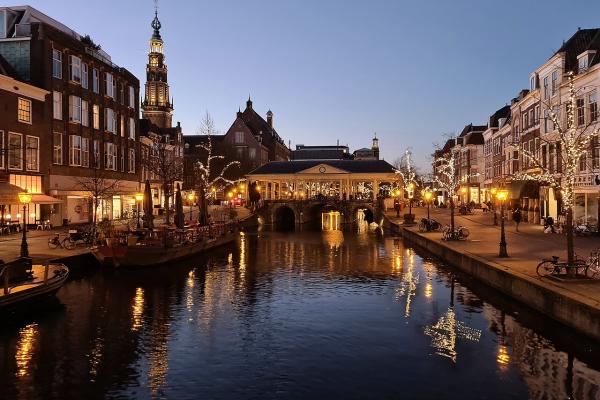
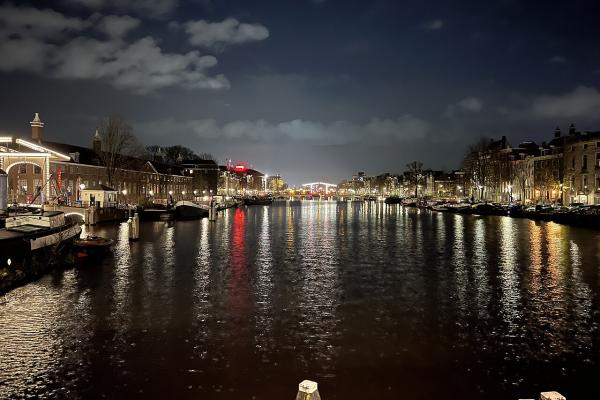
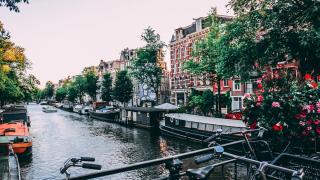
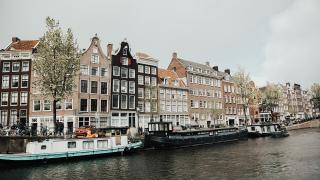
The story of Delft’s iconic blue begins in the 16th century with Delftware, a ceramic tradition that still defines the city’s aesthetic. After designing your own tile in a small-group workshop, the experience shifts from creation to observation. You can glide through the city’s intricate network of waterways on a private canal cruise, moving from the maker’s bench to the artist’s viewpoint.

Unlike the noisy, crowded public boats that shuttle tourists through the main channels, a private charter offers an intimate vantage point. This perspective reveals architectural details often missed when viewing the city from street level, such as the ornate facades and hidden courtyards. The quiet light that Vermeer captured in his masterpieces is best appreciated from this tranquil water level. You might even pause near the Royal Delft factory, creating a seamless bridge between the artistic heritage of the past and the living craft of the present.

Combining hands-on creation with a scenic water tour provides a deeper understanding of Dutch culture than either activity offers alone. Prices for these combined experiences typically range between EUR 50 and EUR 100 per person, depending on the specific duration of the workshop and the length of the cruise. This approach ensures a memorable, educational, and visually stunning journey that honors the city’s rich history. It allows you to see the city not just as a backdrop, but as a living museum that you have personally contributed to.

Curating Your Collection: Authenticity in Every Piece

Distinguishing genuine Delft Blue from mass-produced replicas requires a discerning eye. Tourist shops often stock uniform, stamped patterns that lack the soul of traditional craftsmanship. True authenticity reveals itself through subtle imperfections, such as variations in cobalt intensity or the distinct texture of hand-applied brushstrokes. Royal Delft, known locally as Koninklijke Porceleyne Fles, remains the gold standard for these nuanced details.

Engaging directly with the craft offers a profound understanding of its history. The ninety-minute workshop sessions limit participants to fifteen people, ensuring personalized attention from expert guides. This intimate setting allows you to observe traditional techniques up close while creating your own tile. You leave with a tangible piece of Dutch heritage, made by your own hand, with a story that generic factory-made items simply cannot tell.

Supporting artisans who preserve these centuries-old methods helps keep the tradition alive. Instead of buying generic souvenirs, seek items with verified provenance. A genuine piece carries the weight of history in every curve and color. Your collection gains depth when rooted in this human touch, honoring the skill and dedication of the makers. By choosing authenticity, you participate in the preservation of a cultural legacy that has survived wars, trade shifts, and industrialization.

A Legacy in Blue: Your Personal Delft Narrative

The cobalt tradition extends far beyond museum glass, moving directly into the hands of the creator. Instead of merely observing, you spend ninety minutes in a focused workshop, painting your own tile. This tactile engagement transforms passive observation into active participation. The Royal Delft factory stands as a testament to centuries of craftsmanship, offering a backdrop for this intimate experience.

Prices for workshops often cap groups at fifteen participants to ensure quality. Such intimacy allows for a genuine connection with the art form, where an instructor can guide your hand through the nuances of the brush. You leave with a tangible piece of history, a personal reminder of the process. This approach values the journey over the final product, inviting you to slow down and appreciate the details that make each piece unique.

The blue pigment tells a story of global trade and local skill. Your personal narrative becomes part of this ongoing legacy. Combining this experience with a canal cruise offers a complete perspective on Dutch heritage. The combination of art and water creates a memorable reflection. True understanding comes from doing, not just watching. This final thought encourages a mindful travel style. You carry the blue home with you. Consider this a deeper way to experience the Netherlands. The cobalt tradition is not just a sight; it is a skill you hold.

Tags

Delft Royal Delft Delftware Dutch ceramics cultural tourism Netherlands travel artisan workshops traditional crafts travel experience historic sites

Post Overview

Published Mar 12, 2026
Author Lotte van der Linden
Read Time 6 min
Word Count ~1,200 words

Tags

Delft Royal Delft Delftware Dutch ceramics +6 more

Book your stay

Related Stories