
1-day itinerary
One Day in Lauwersmeer
One-day nature exploration in Lauwersmeer National Park
- Length
- 1 day · 4 sights
- Pace
- Easy
- Estimated cost
- €50 per person
- Based in
- Lauwersmeer
Day by day
-
Day 1: Nature, Birds, and Starlight in Lauwersmeer
A full day exploring the unique ecosystem of the Lauwersmeer National Park, featuring birdwatching, scenic dike walks, and an evening of stargazing in a designated Dark Sky Park.
-
09:00
Start your day at the main entrance or visitor area. Pick up a map of the nature reserves and check current bird activity reports. The park is vast, so planning your route is essential.
About 60 min
-
10:00
Birdwatching at Observation Towers
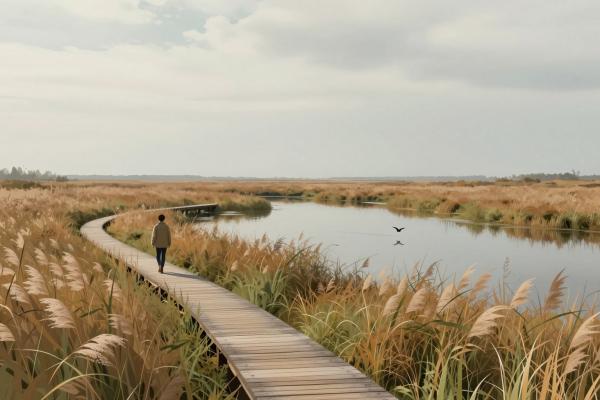
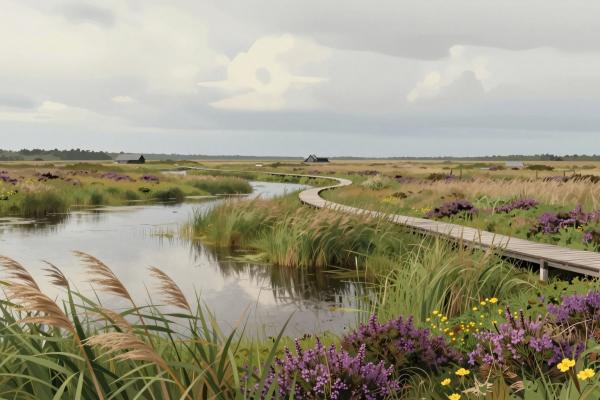
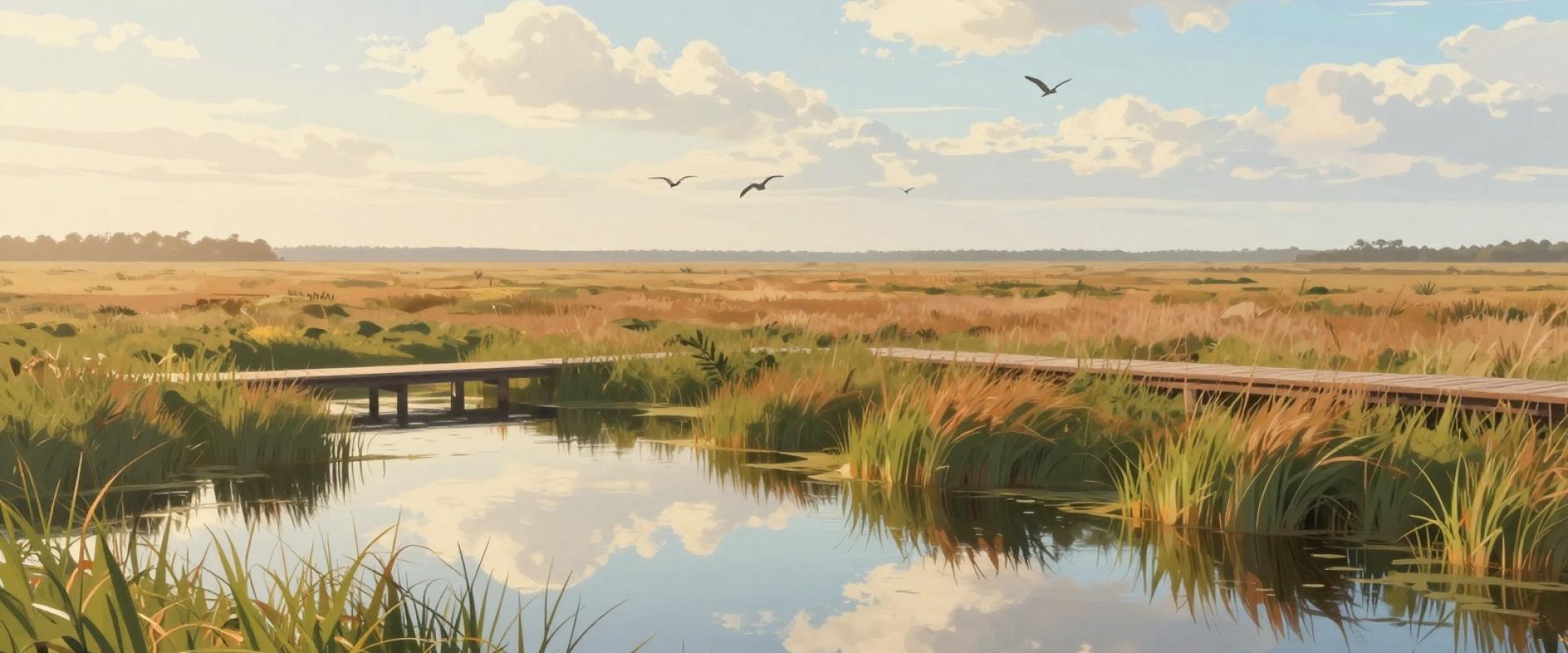
Visit the iconic observation towers scattered throughout the park. These elevated structures offer panoramic views of the marshes and lagoons, perfect for spotting herons, egrets, and migratory birds. Bring binoculars for the best experience.
About 2 hours
-
12:30
Picnic Lunch by the Water
Enjoy a packed lunch at one of the designated picnic spots near the water's edge. The serene atmosphere provides a relaxing break amidst nature.
About 60 min
-
13:30
Walk the Lauwersmeer Dike and Harbor
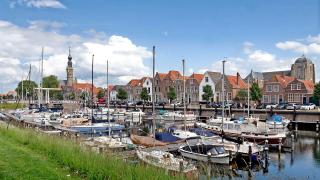
Take a scenic walk along the historic dike that borders the national park. Visit the small harbor to see traditional fishing boats and enjoy the contrast between the rugged dike and the calm lake. This area offers great photo opportunities.
About 1.5 hours
-
15:00
Guided Nature Walk or Self-Exploration
Spend the afternoon exploring the trails on foot or renting a bicycle (if available locally) to cover more ground. Look for seals resting on sandbanks and diverse flora unique to this former sea area.
About 2 hours
-
17:00
Early Dinner in Lauwersoog
Head to the nearby village of Lauwersoog for dinner. Try local Dutch cuisine or fresh seafood at a harbor-side restaurant.
About 60 min
-
19:00
Stargazing at the Dark Sky Park
As night falls, head to the designated Dark Sky Park area. With minimal light pollution, the Milky Way is clearly visible. Bring a warm jacket, a blanket, and optionally a telescope or star chart app. This is one of the best stargazing spots in the Netherlands.
About 3 hours
- Meals:
- Lunch at Picnic spot within National Park; Dinner at Restaurant in Lauwersoog
- Where to stay:
- Stay in Lauwersoog for easy access to the park. Options include campgrounds, holiday parks, or small B&Bs. Booking in advance is recommended during peak season.
- Getting around:
- A car is highly recommended to access the various trailheads and observation towers efficiently. Public transport is limited to the village of Lauwersoog.
-
09:00