History
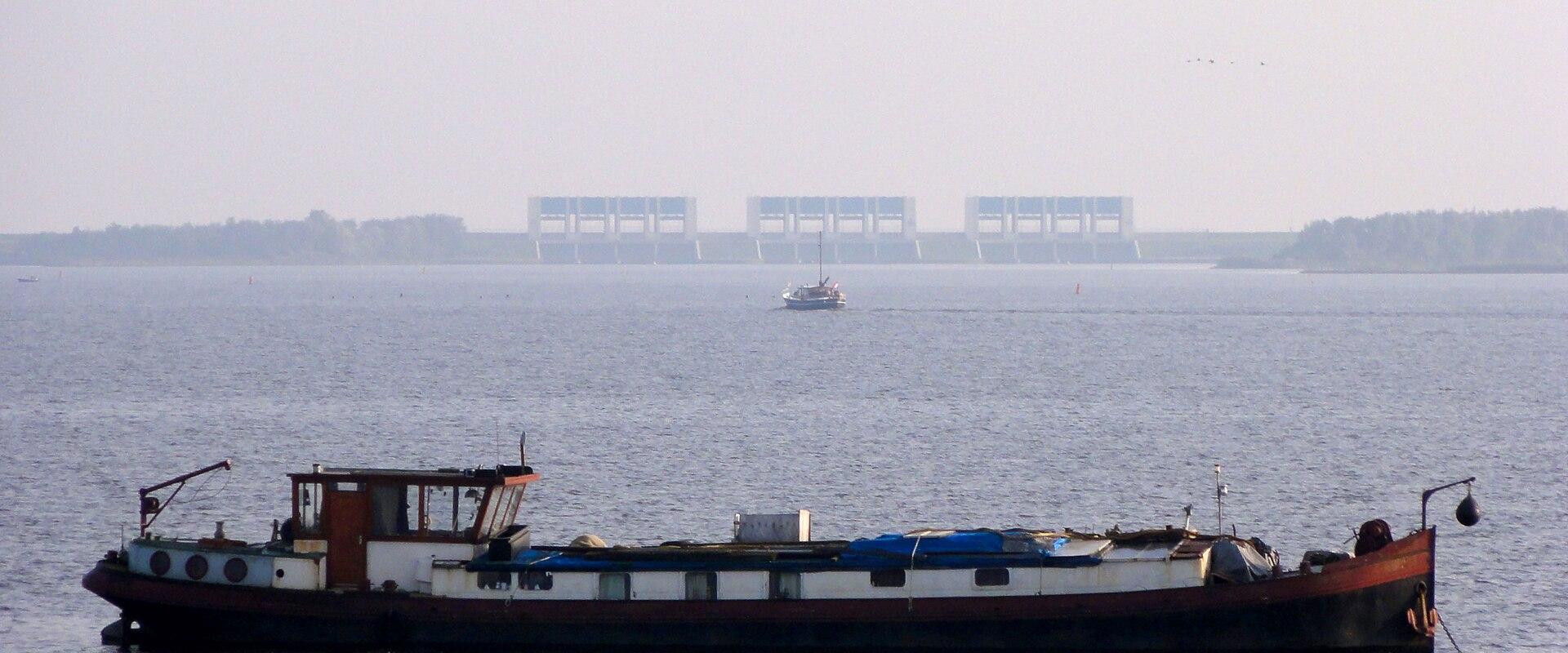
Lauwersmeer National Park occupies a unique place in Dutch history, born from the ambitious land reclamation projects of the 20th century. Until 1969, the area was known as the Lauwerszee, a tidal inlet of the Wadden Sea. The construction of the Lauwerszee Dam closed off this inlet, transforming it from a saltwater body into a freshwater lake and separating the province of Groningen from Friesland. This engineering feat created a new landscape, initially characterized by mudflats and salt marshes that gradually evolved into a rich ecosystem. The area was designated as a national park in 2003, recognizing its ecological significance and the successful natural regeneration that occurred after human intervention ceased. The park stands as a testament to the Dutch relationship with water, illustrating how human management can create habitats for wildlife. The surrounding villages, such as Lauwersoog and Marum, have adapted to this new reality, shifting their economies from traditional fishing and salt harvesting to tourism and nature conservation. The history of Lauwersmeer is one of transformation, where a former sea has become a sanctuary for nature, preserving a landscape that feels both ancient and newly formed.
Main Attractions
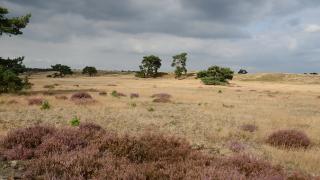
The primary attraction of Lauwersmeer is its vast, open landscape, which offers a sense of space rarely found in the Netherlands. The park is home to diverse habitats, including reed beds, salt marshes, young woodlands, and sandy dunes. A key feature is the Ballastplaat, a former sandbank that has developed into a thriving woodland area. Here, visitors can encounter wild Konik horses and Scottish Highland cattle grazing freely, adding a prehistoric charm to the scenery. The park is also renowned for its birdlife, serving as a crucial stopover for migratory birds. Species such as the avocet, oystercatcher, and the rare spoonbill can often be spotted, particularly during spring and autumn migrations. The dykes that encircle the lake provide excellent vantage points for observing the tides and the surrounding wetlands. Additionally, the area is designated as a Dark Sky Park, offering exceptional opportunities for stargazing away from light pollution. The visitor center, Lauwersnest, provides educational exhibits on the park’s ecology and history, serving as an informative starting point for exploration.
Activities
Lauwersmeer is a paradise for outdoor enthusiasts who enjoy low-impact activities. Hiking and cycling are the most popular pursuits, with an extensive network of well-maintained paths that wind through the park’s diverse landscapes. The routes vary in difficulty, offering options for casual strolls and more challenging rides. Kayaking and canoeing are also popular, allowing visitors to explore the quiet channels and reed beds from the water. These activities provide a unique perspective on the wildlife, as boats move silently through the marshes. Birdwatching is a major draw, with many visitors bringing binoculars and cameras to capture the abundant avian life. The park’s flat terrain makes it accessible for families and those with limited mobility. For those seeking relaxation, the beaches along the lake offer a place to unwind and enjoy the panoramic views. The absence of entrance fees encourages spontaneous visits, making it easy to spend a day or more exploring the trails and nature reserves.
Getting There
Lauwersmeer is accessible by car, with several entry points into the national park. The nearest major town is Lauwersoog, which is connected to the mainland by a causeway. Parking is available at various locations throughout the park, though it can fill up during peak seasons. Public transport options are limited but exist; buses connect nearby towns like Delfzijl and Appingedam to Lauwersoog. However, relying solely on public transport can be challenging for exploring the more remote parts of the park. For those traveling by bicycle, the region is well-integrated into the Dutch cycling network, with routes leading directly to the park. Visitors are advised to check the official website for current access information, as some areas may be closed for conservation purposes. The park’s location on the border of Groningen and Friesland makes it a convenient stop for those traveling along the northern coast of the Netherlands.
Best Time to Visit
The best time to visit Lauwersmeer is from April to October, when the weather is mild and suitable for outdoor activities. Spring and autumn are particularly rewarding for birdwatchers, as these seasons coincide with major migration periods. The landscapes are vibrant, with blooming flowers in spring and golden hues in autumn. Summer offers long daylight hours and warm temperatures, ideal for kayaking and cycling, though it can be busier with tourists. Winter can be cold and windy, but it offers a stark, beautiful landscape with fewer visitors. The park is open year-round, but some facilities may have reduced hours during the colder months. Regardless of the season, Lauwersmeer offers a peaceful retreat into nature, providing a unique experience of the Dutch countryside.
Best time to visit
April through October offers mild weather and ideal conditions for hiking and birdwatching.
What to see in Lauwersmeer
Our picks first.

Dark Sky Park
Dark Sky Park with pristine night skies and stargazing
Activities & Adventure · Natural Wonders
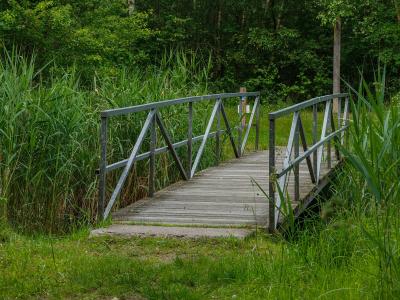
Lauwersmeer National Park
Bird sanctuary at former Lauwerszee lake
Natural Wonders · Hiking Trails
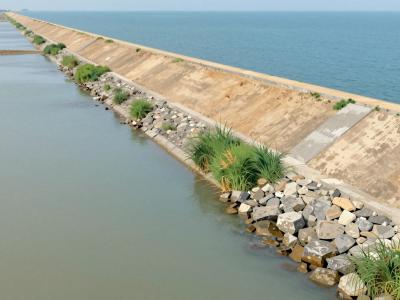
Lauwersmeer Dike and Harbor
Dike and harbor bordering Lauwersmeer National Park
Coastal & Maritime · Natural Wonders

Observation Towers
Observation towers for birdwatching and stargazing
Natural Wonders · Viewpoints
Lauwersmeer by interest
The same sights, grouped by what you came for.
Did you know?
Checked facts about Lauwersmeer, each with its source.
-
History
A Sea Turned Into a Lake in 1969
The Lauwersmeer was created in May 1969 when the former Lauwerszee estuary, a shallow inland sea connected to the Wadden Sea, was dammed. This engineering project transformed the area from a saltwater environment where water flowed freely into a man-made freshwater lake spanning approximately 6,000 hectares.
Source: grokipedia.com
Planning a visit to Lauwersmeer
Itineraries that include Lauwersmeer
Good to know
- Currency
- EUR
- Language
- Dutch
Quick Facts
Book your stay
Questions people ask
More places in Groningen
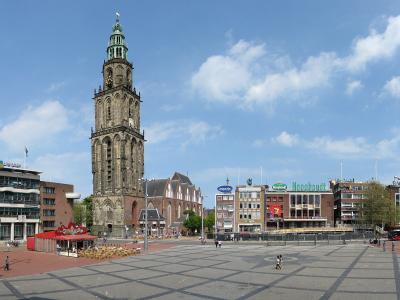
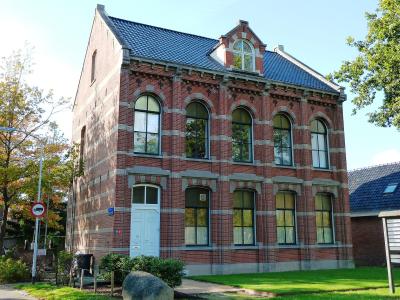
Groningen
Groningen
Lively university city with historic sites and modern flair
Groningen
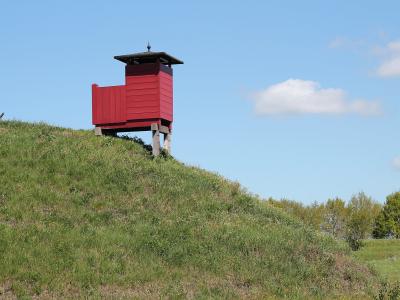
Zuidhorn
Groningen countryside town with parks, cycling, and local culture
Groningen
Bourtange
Historic star-shaped fortress village on the Groningen border
Groningen
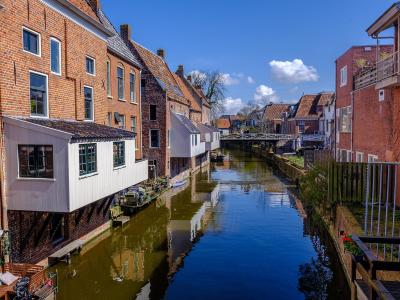
Appingedam
Medieval canals, hanging kitchens, and northern Dutch charm