
1-day itinerary
Best of Diever
One-day exploration of Drenthe’s cultural heritage and historic sites
- Length
- 1 day · 3 sights
- Pace
- Easy
- Estimated cost
- €47 per person
- Based in
- Diever
Day by day
-
Day 1: Ancient History and Rural Charm in Diever
A relaxed day exploring Diever's prehistoric heritage, visiting the renowned OERmuseum, and walking among the ancient dolmens. This itinerary focuses on cultural history and the unique landscape of Drenthe.
-
09:30
Start your day at this award-winning museum. Explore the extensive collection of prehistoric artifacts, including pottery, tools, and jewelry from the Stone Age, Bronze Age, and Iron Age. The museum also features fascinating exhibits on natural history and the peat extraction history of the region.
About 2 hours
-
11:00
Travel to Hunebed D52
Short walk or brief drive from the museum center to the Hunebeddenpark area where the dolmens are located.
About 15 min
-
11:15
Walk to the nearby Hunebed D52, one of the best-preserved dolmens in the Netherlands. Surrounded by informative signage and set in a peaceful, wooded area, this ancient megalithic tomb offers a tangible connection to the Neolithic farmers who built it over 5,000 years ago.
About 60 min
-
13:00
Lunch in Diever Village Center
Return to the village center for lunch. Diever has several cozy cafes and traditional Dutch restaurants serving local specialties like 'Drentse stamppot' or fresh sandwiches.
About 60 min
-
14:30
Stroll through Diever Village
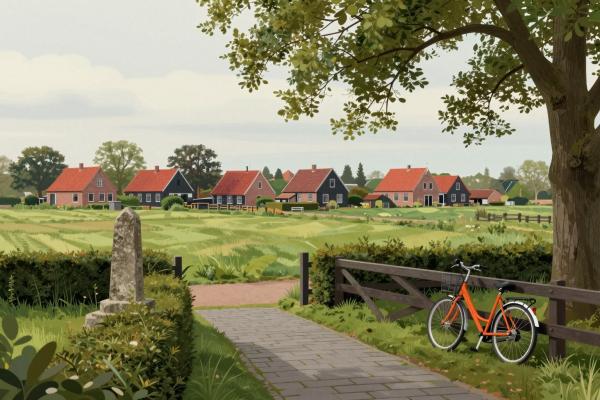
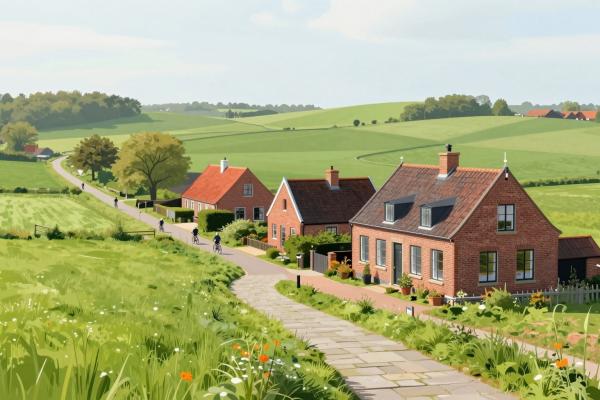
Enjoy a leisurely walk through the picturesque village. Diever is known for its traditional thatched-roof farmhouses and rural charm. Visit the local church or simply relax in the park areas to soak in the quiet atmosphere of Drenthe.
About 1.5 hours
-
16:00
Check for Toneelvereniging Diever Performance
Visit the local community theater group's venue. While performances are scheduled periodically, checking their current schedule is a great way to engage with local culture. If a performance is not available, the building itself is part of the community fabric, and you can enjoy the surrounding area.
About 60 min
- Meals:
- Lunch at Diever Village Center
- Where to stay:
- Diever is a small village. For accommodation, consider staying in Diever itself at a local B&B (Bed & Breakfast) or expanding your search to nearby towns like Assen (20 mins drive) or Dwingeloo for more hotel options.
- Getting around:
- A car is highly recommended for this itinerary to comfortably reach Hunebed D52 and move between attractions. Public transport is limited in rural Drenthe.
-
09:30