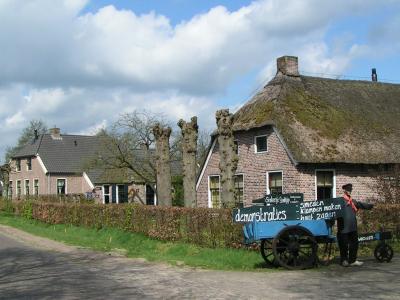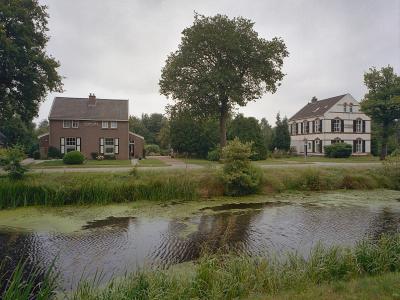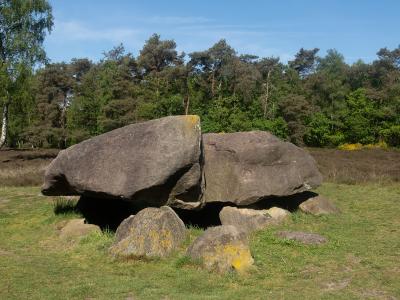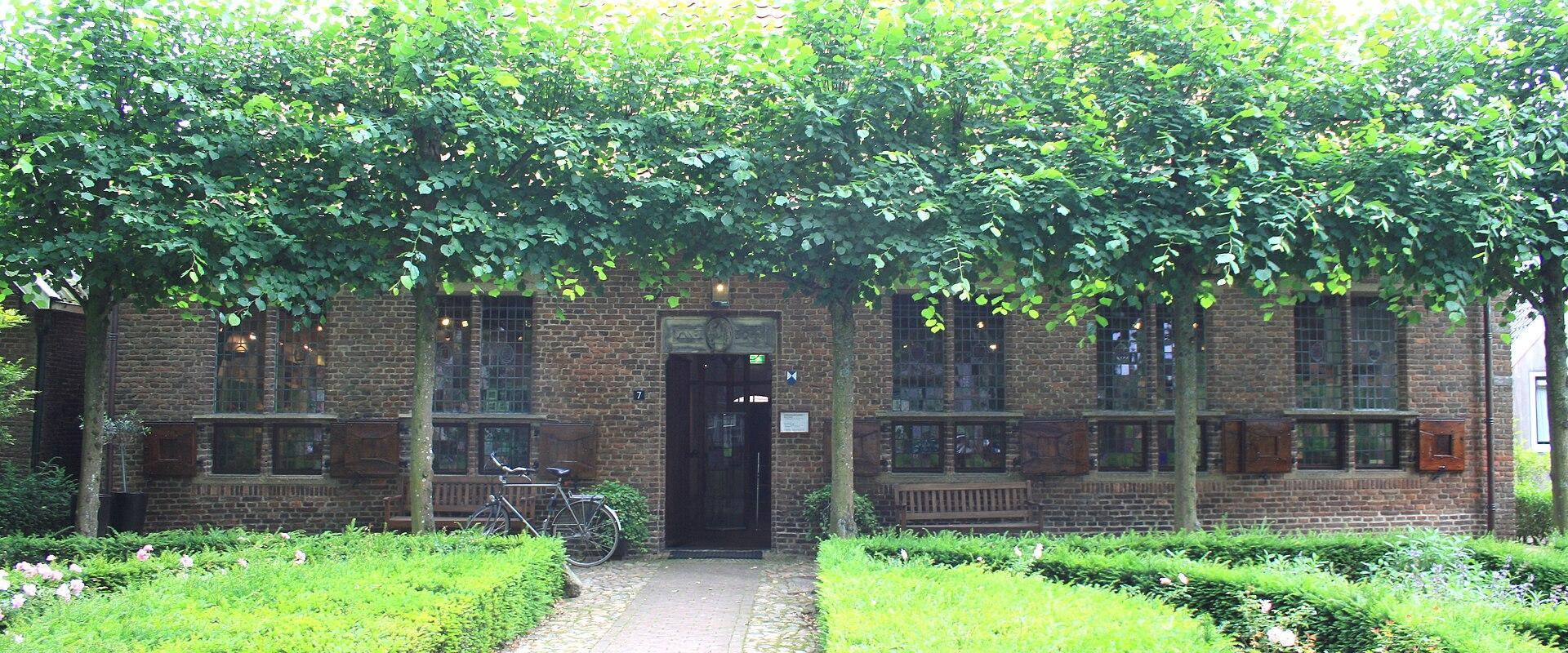
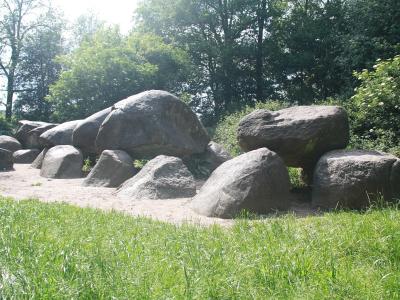
Diever lies in the municipality of Westerveld, in the west of Drenthe, in the north of the Netherlands, and its history is closely tied to the ancient past of the region. The area has been inhabited since the Stone Age, as shown by the dolmens, or hunebedden, in the vicinity. Hunebed D52, near the village, is an important archaeological site that gives insight into the lives of the prehistoric people who built these megalithic tombs around 3400 to 2900 BC, in the Neolithic period. The village grew up around these ancient landmarks and the farming traditions of the region. The landscape around it, a mix of heath, pine forest and small fields, is part of the Drents-Friese Wold National Park.
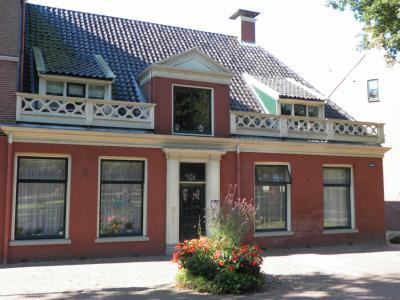
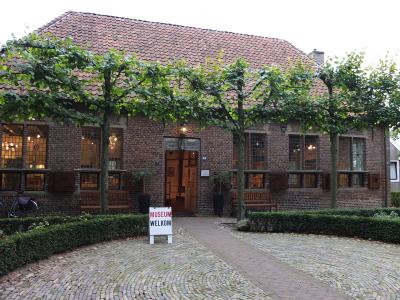
The OERmuseum West-Drenthe in Diever offers a journey into the prehistoric period, with exhibits on early settlers, tools and the hunebedden, and it makes a useful introduction before visiting the tombs. The Dolmen of Diever, Hunebed D52, can be reached by a walking path from the village, and it stands in a small wood, a quiet setting for thinking about the age of the monument. The village itself has a pleasant centre with traditional Dutch houses, a church and local shops, and its amateur theatre company, Toneelvereniging Diever, is renowned in the area for its productions, including open-air performances.
Activities in Diever are centred on nature and history. Visitors can walk or cycle through the heath and forest of the Drents-Friese Wold National Park, with hiking and cycling trails and chances to see deer, wild boar and many bird species. The park is one of the largest areas of heath and forest in the northern Netherlands, and its sand drifts and heath fields are at their best in late summer, when the heather is in bloom. The region also has a tradition of beekeeping, and visitors can sometimes visit local apiaries to learn about honey production. Diever holds various cultural events through the year, including festivals and markets that celebrate local heritage.
The village is also a good base for exploring other attractions in Drenthe, such as the Hunebedcentrum in Borger, which gives detailed information about the dolmens and the prehistoric period, the Drents Museum in Assen, with its archaeology collection, and the open-air village museum of Orvelte. Dwingeloo and its national park lie nearby too.
Getting to Diever is possible by public transport, with a bus connection to Assen, the capital of Drenthe, and from there to other major cities in the Netherlands. Most visitors come by car, with easy access to the A28 motorway. The best time to visit Diever is from April to September, when the weather is mild and the landscape is green and fresh. The heath is especially beautiful in late summer when the heather is in bloom. Autumn offers colourful foliage and fewer crowds, while winter can be cold and quiet, with a stark but peaceful beauty.
In short, Diever offers a quiet glimpse of the ancient and rural history of the Netherlands, and it is a rewarding destination for history enthusiasts and nature lovers alike. A good day combines the OERmuseum in the morning, a walk to the hunebed at midday and a ride across the heath in the afternoon, with a stop at a village cafe to round it off.
Best time to visit
Visit between April and September for mild weather, blooming heather, and optimal conditions for outdoor exploration.
What to see in Diever
Our picks first.
Diever by interest
The same sights, grouped by what you came for.
Did you know?
Checked facts about Diever, each with its source.
-
History
Diever Has a Second Local Claim
Situated in the heart of the Drenthe countryside, it is renowned for its rich archaeological heritage and traditional rural atmosphere.
Source: Diever - Wikipedia -
Record
Diever Has Another Verifiable Detail
Diever also serves as a gateway to the nearby Dolmen of Diever (D11), one of the oldest structures in the Netherlands, dating back to the Neolithic period.
Source: Dolmen - Wikipedia
Planning a visit to Diever
Itineraries that include Diever
Good to know
- Currency
- EUR
- Language
- Dutch