
2-day itinerary
Amsterdam Cultural Heritage
2-day cultural heritage tour of Amsterdam
- Length
- 2 days · 9 sights
- Pace
- Moderate
- Estimated cost
- €192 per person
- Based in
- Amsterdam
Day by day
-
Day 1: Golden Age Heritage & Canal Districts
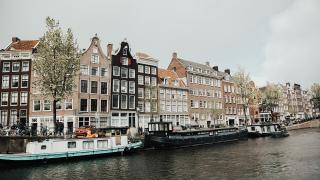
Explore the historic heart of Amsterdam, focusing on the 17th-century Golden Age architecture, the iconic canal belt, and the poignant history of the WWII occupation.
-
09:00
Visit the historic house where Anne Frank hid during WWII. Pre-booked tickets are essential. Explore the Secret Annex and learn about her legacy.
About 2 hours
-
11:15
Walk the Nine Streets (9 Straatjes)
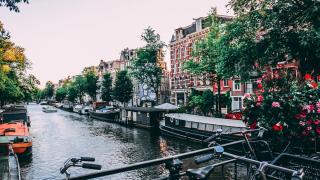
Stroll through the picturesque canal-side streets known for boutique shops, antique stores, and charming cafes. Great for photography and people-watching.
About 1.5 hours
-
12:45
Lunch in the Jordaan
Enjoy a casual lunch at one of the many cafes or bistros in the Jordaan district. Try traditional Dutch snacks like bitterballen or a fresh sandwich.
About 60 min
-
14:00
Located in a former orphanage, this museum offers a deep dive into the city's history from the Middle Ages to the present day, including the Golden Age.
About 2 hours
-
16:00
Portuguese Synagogue (Ets Haïim)
Visit the largest synagogue in Europe, built in 1675. Admire the candlelit sanctuary, the ancient Torah scrolls, and the historic cemetery.
About 1.5 hours
-
17:30
Rembrandtplein & Evening Stroll
End the day at Rembrandtplein, a historic square named after the painter. Enjoy the atmosphere, see the Night Watch statues, and explore the surrounding area.
About 60 min
- Meals:
- Lunch at Jordaan District; Dinner at Rembrandtplein Area
- Where to stay:
- Stay in the Jordaan or City Center for easy walking access to Day 1 attractions.
- Getting around:
- Most attractions are within walking distance. Use the metro or tram if tired.
-
09:00
-
Day 2: World-Class Museums & Modern Culture
Dedicate the second day to Amsterdam's world-renowned art museums and modern cultural hubs, including the Rijksmuseum and a trip to NDSM Wharf.
-
09:00
Explore the Dutch national museum featuring masterpieces by Rembrandt (The Night Watch), Vermeer, and other Dutch Golden Age artists. The building itself is a heritage site.
About 3 hours
-
12:00
Lunch near Museum Square
Grab lunch at one of the cafes near Museumplein or head towards Leidseplein for more options.
About 60 min
-
13:30
Located in a historic canal manor, Foam is dedicated to photography in all its forms. Check current exhibitions for high-quality contemporary and historical photography.
About 1.5 hours
-
15:00
Located in the same complex as Foam, this museum focuses on tropical cultures and postcolonial history, offering a unique perspective on Dutch colonial heritage.
About 2 hours
-
16:30
Ferry to NDSM Wharf
Take the free ferry (F1) from behind Central Station to NDSM Wharf. The ride offers great views of the harbor.
About 15 min
-
17:00
Explore the former shipyard turned creative district. See street art, industrial architecture, and unique installations. Visit the NDSM Warehouse for events or cafes.
About 2 hours
- Meals:
- Lunch at Museumplein/Leidseplein; Dinner at NDSM Wharf or Central Station Area
- Where to stay:
- Same area as Day 1, or consider staying near Central Station for easy access to the ferry.
- Getting around:
- Walking in the morning, then tram/metro to Foam/Tropenmuseum, then free ferry to NDSM.
-
09:00