







- Where
- Amsterdam, Holland
- Directions
- Directions
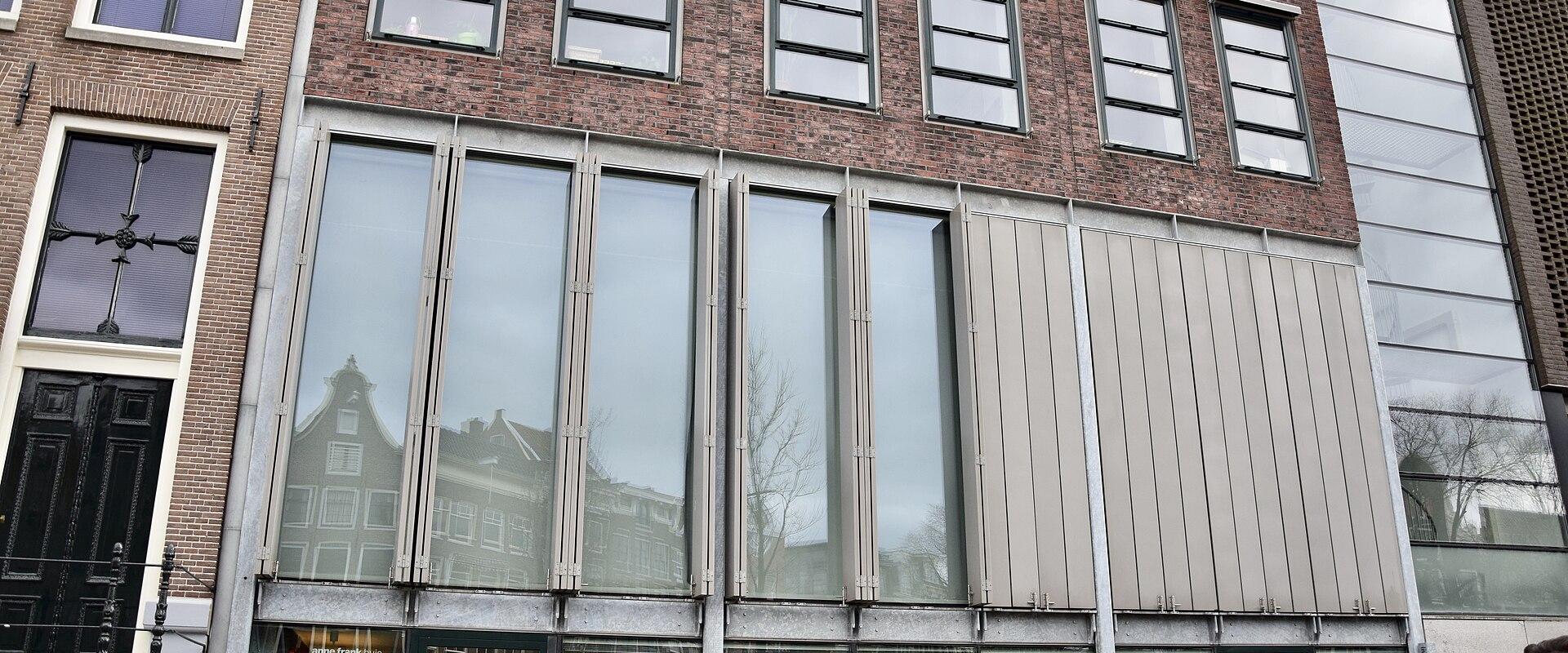
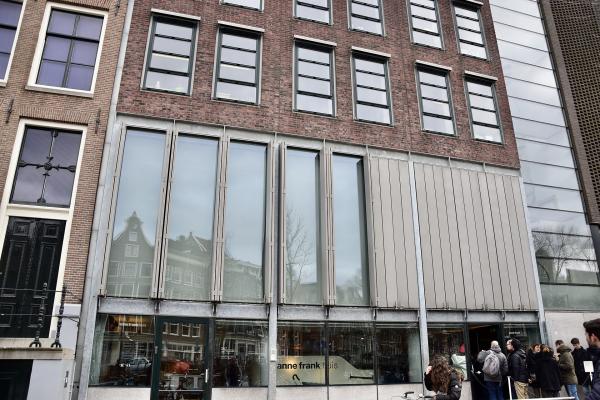
The Anne Frank House is a museum on the Prinsengracht in Amsterdam, in the canal house where Anne Frank, her family and four other people hid from the Nazis during the Second World War. It is one of the most visited and most moving museums in the Netherlands, and a visit is a quiet and powerful experience. The museum covers both the hiding place and the broader history of the persecution of the Jews, and it uses the personal story of a girl to make that history understandable.
Otto Frank, a businessman, moved his family from Germany to Amsterdam in the 1930s to escape Nazi persecution. After the German occupation of the Netherlands in 1940 and the introduction of anti-Jewish laws, he prepared a hiding place in the rear annex of the building that housed his company. In July 1942, when his elder daughter Margot received a call-up notice, the Frank family went into hiding, and they were joined by the van Pels family and Fritz Pfeffer. Eight people lived in the cramped rooms for over two years, supported by a small group of helpers who brought food and news.
They were betrayed in August 1944 and arrested. Anne died in the Bergen-Belsen camp in early 1945, and only Otto survived the war. Miep Gies, one of the helpers, had saved Anne's notebooks and papers from the annex, and when Otto returned he was given the diary Anne had kept. He had it published in 1947, and it has since been translated into dozens of languages and read by millions. The museum opened in 1960.
The visit takes you through the front part of the building and then through a hidden doorway behind a bookcase into the annex. The rooms are mostly empty, as Otto asked that they be left unfurnished, but the marks on the walls, including the pencil lines that recorded the girls' growth and the pictures pinned up by Anne, are very evocative. Exhibits and quotes from the diary give context.
Tickets are sold online for timed entry, and they sell out far ahead, so book as early as possible and do not expect to buy on the day. The Westerkerk is next door, and its tower is mentioned in the diary. Allow about an hour and a half, and give the visit time to settle. Anne’s diary is also a testimony to the Holocaust, and the museum treats the subject carefully. The entrance is at Westermarkt, and trams run from Central Station to nearby stops.
Categories
More photos coming soon
Nearby Attractions
Other places to visit in Amsterdam

9 Straatjes
Historic canalside streets with shops and cafés
Urban Exploration · City Centers

A'DAM Lookout
Observation deck with 100-meter swing
From €8.50 Activities & Adventure · Promenades
Amstelkring Museum
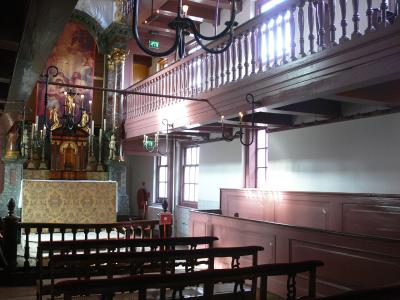
17th-century canal house with hidden attic church
Cultural Experiences · History & Heritage
Amsterdam Museum
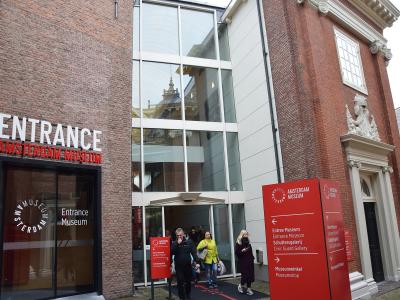
Amsterdam's history museum in a 17th-century orphanage
Art Museums · History Museums
Questions people ask
Quick Facts
Best Time to Visit
April to May and September to early October offer mild weather, blooming tulips, and fewer crowds, ideal for exploring Amsterdam’s canals and museums.