







- Where
- Amsterdam, Holland
- Directions
- Directions
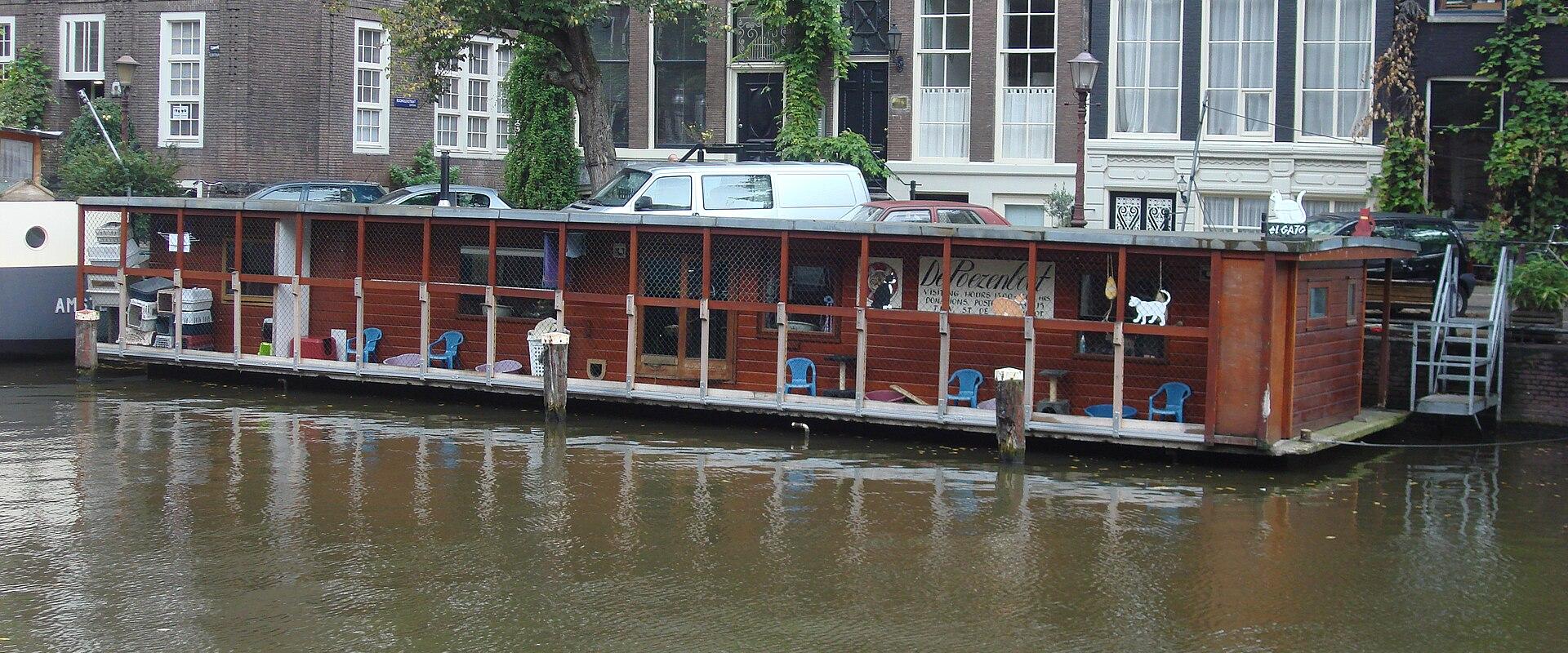
The Canal Belt, or Grachtengordel, is the ring of canals that curves around the old centre of Amsterdam and gives the city its most recognisable shape. It was laid out in the early seventeenth century, when Amsterdam's population and trade were growing rapidly during the Dutch Golden Age, and it was one of the largest planned urban extensions in Europe at the time. The new canals were designed to carry traffic, drain the land and provide space for the houses of rich merchants, and the plan was carried out systematically over several decades. Since 2010 the area has been a UNESCO World Heritage Site.
Three main canals form the belt: the Herengracht, the Keizersgracht and the Prinsengracht, which run in concentric arcs outside the older Singel, the former moat of the medieval city. Each had its own character. The Herengracht, the gentlemen's canal, was the most prestigious address, and its widest, grandest houses cluster in a stretch known as the Golden Bend. The Keizersgracht was also fashionable, while the outermost Prinsengracht was more mixed, with workshops and smaller homes alongside merchants' houses.
Walking the canals is the best way to see the architecture. The houses are tall and narrow, in brick with decorative gables of different shapes, and many have a hoisting beam at the top for lifting furniture and goods through the windows, since the staircases are steep and tight. Look at the gables, doorways and window frames to see how fashion changed from one generation to the next. Tilting houses and humped bridges add to the charm, and trees along the quays give shade in summer.
The belt is also home to many of Amsterdam's best-known sights. The Anne Frank House stands on the Prinsengracht, close to the Westerkerk, while the Begijnhof, the Bloemenmarkt and the quarter of small shops known as the 9 Straatjes lie within easy reach. A boat trip on the canals gives a different perspective, passing under the bridges and showing the facades from water level, and cruises run throughout the year, including evening trips when the bridges are lit.
The canals suit almost every visitor, from architecture fans to casual strollers. Early morning is quietest, and autumn and spring bring good light. Bear in mind that the narrow quays are shared with cyclists, so stay alert, and consider walking away from the busiest streets to find quieter stretches where the city feels more like a place to live than a place to visit. Two museums give a look inside the canal houses: Museum Willet-Holthuysen on the Herengracht preserves a merchant's home with its furnishings, and FOAM, the photography museum, occupies a canal house on the Keizersgracht. Amsterdam’s Central Station is a short tram ride or a walk away, and the Museum quarter is easily reached from the belt.
Categories
More photos coming soon
Nearby Attractions
Other places to visit in Amsterdam

9 Straatjes
Historic canalside streets with shops and cafés
Urban Exploration · City Centers

A'DAM Lookout
Observation deck with 100-meter swing
From €8.50 Activities & Adventure · Promenades
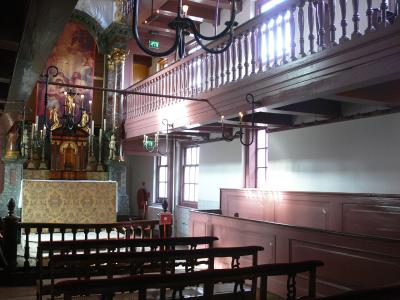
Amstelkring Museum
17th-century canal house with hidden attic church
Cultural Experiences · History & Heritage
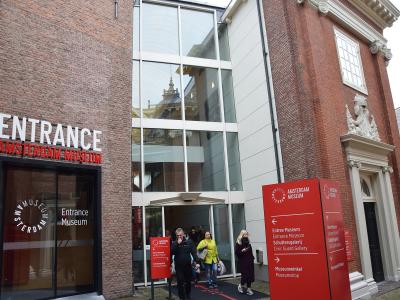
Amsterdam Museum
Amsterdam's history museum in a 17th-century orphanage
Art Museums · History Museums
Questions people ask
Quick Facts
Best Time to Visit
April to May and September to early October offer mild weather, blooming tulips, and fewer crowds, ideal for exploring Amsterdam’s canals and museums.