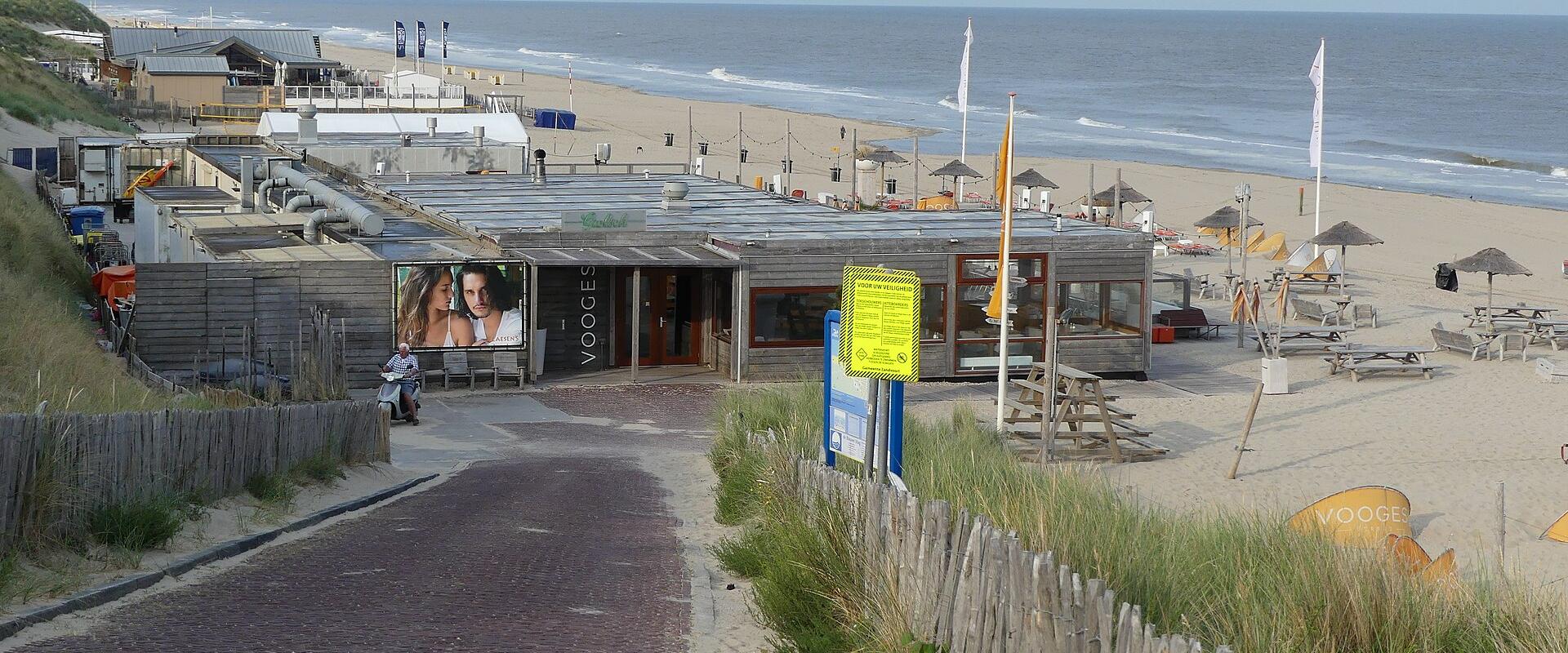
Zandvoort
Coastal town with racing circuit and dunes
History
Zandvoort’s transformation from a quiet fishing village to a premier coastal resort is a story of adaptation and ambition. Originally known for its sand dunes and fishing industry, the town began to evolve in the 19th century as the middle class sought escape from the industrial cities. The arrival of the railway in 1881 was a pivotal moment, connecting Zandvoort to Amsterdam and making it accessible for weekend getaways. This accessibility spurred the construction of grand hotels and villas, establishing the town’s reputation as a fashionable seaside destination.
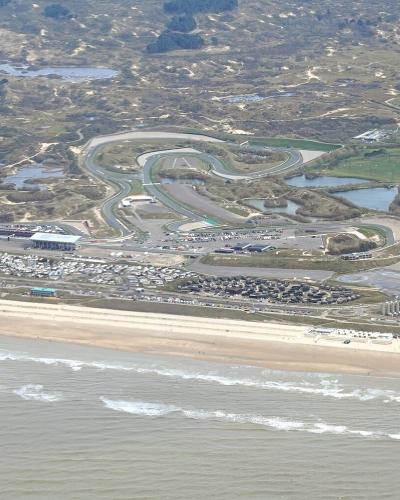
The mid-20th century marked another significant shift with the introduction of motorsport. In 1948, the first race was held on a temporary track laid out on the public roads, capitalizing on the town’s wide, sandy streets. This event laid the groundwork for what would become Circuit Zandvoort, a permanent racing facility that opened in 1951. The circuit quickly gained international acclaim, hosting Formula 1 races and becoming a symbol of Dutch engineering and sporting spirit. This dual identity—preserving its natural coastal charm while embracing high-speed competition—defines Zandvoort’s unique historical narrative.
Main Attractions
The primary draw for visitors is the expansive North Sea beach, which stretches for kilometers along the coast. The wide, soft sand and rolling waves provide ample space for relaxation and recreation. During the summer months, the beach is lined with beach clubs and bars, offering a vibrant social scene. In contrast, the winter months offer a serene landscape, ideal for long, reflective walks along the water’s edge.
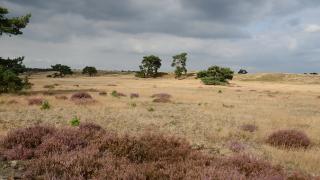
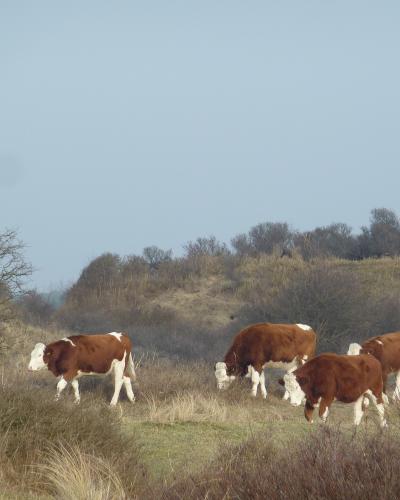
Behind the beach lies the Zuid-Kennemerland National Park, a vast reserve of rolling dunes, forests, and heathland. This natural sanctuary is home to diverse wildlife, including roaming wisents (European bison), Scottish Highland cattle, and various bird species. The park offers a stark contrast to the bustling beach, providing a peaceful retreat into nature. The Amsterdamse Waterleidingduinen, another nearby nature reserve, also offers extensive walking and cycling paths through scenic dune landscapes.
Circuit Zandvoort is a landmark attraction in its own right. Beyond hosting major racing events like the Dutch Grand Prix, the circuit offers tours and experiences for motorsport enthusiasts. The surrounding area, known as Racesquare, features museums and interactive exhibits that celebrate the town’s racing heritage. The juxtaposition of the high-energy circuit with the tranquil natural surroundings creates a unique visitor experience.
Activities
Zandvoort offers a wide range of activities for visitors of all interests. The beach is a hub for water sports, including surfing, kite surfing, and paddleboarding. For those who prefer land-based activities, the dunes and surrounding countryside provide excellent opportunities for hiking and cycling. Well-marked trails wind through the national parks, offering scenic views and chances to spot wildlife.
The town also caters to those seeking relaxation and wellness. Numerous spas and saunas, such as Billies Sauna, offer treatments inspired by the sea and local traditions. For indoor entertainment, attractions like Aqua Mundo provide water slides and pools, while Escape World offers puzzle-based challenges. The town’s cultural scene includes museums and galleries that highlight the region’s history and art.
During racing events, the atmosphere in Zandvoort becomes electric. Visitors can attend races, participate in fan zones, and explore the various activities organized around the circuit. Even outside of race weekends, the town maintains a lively vibe with regular events, concerts, and festivals that celebrate local culture and community.
Getting There
Zandvoort is easily accessible from Amsterdam, located approximately 25 kilometers away. The most convenient way to reach the town is by train. Frequent trains run from Amsterdam Centraal Station to Zandvoort aan Zee, with a journey time of approximately 30 to 40 minutes. The train station is located right in the town center, close to the beach and main attractions.
For those driving, Zandvoort is accessible via major roads connecting Amsterdam to the coast. Parking is available in several lots near the beach and town center, though it can fill up quickly during peak seasons. Public transport is a reliable and often less stressful alternative, especially during weekends and holidays when traffic can be heavy.
Best Time to Visit
The best time to visit Zandvoort depends on personal preferences. The summer months, from June to August, offer the warmest weather and the most vibrant atmosphere, with long days and lively beach scenes. This is the peak season, so accommodations should be booked in advance.
Spring and autumn are also excellent times to visit, with milder temperatures and fewer crowds. The landscape is beautiful, with blooming flowers in spring and colorful foliage in autumn. Winter offers a quiet, serene experience, ideal for those who enjoy long walks on the beach and cooler weather. The town is less crowded, allowing for a more peaceful and intimate experience.
Best Time to Visit
May through September offers warm temperatures and long days ideal for beach activities and outdoor exploration.
Plan Your Visit to Zandvoort
Essential travel tips and information for your trip to Zandvoort.
Suggested Itineraries
One Day in Zandvoort
1 dayPerfect for a quick visit. See the main highlights and get a taste of local culture.
Extended Zandvoort Experience
2-3 daysComprehensive exploration including nearby attractions and cultural experiences.
Travel Tips
Currency
EUR • Cards widely accepted
Language
Dutch • English in tourist areas
WiFi
Free WiFi in cafes and hotels
Explore Zandvoort by Interest
Discover attractions and experiences in Zandvoort organized by your interests and travel preferences.

All attractions in Zandvoort
Sorted by our recommendation score





Quick Facts
Book your stay
Frequently Asked Questions
More destinations in Holland
Explore other amazing places in the Holland region