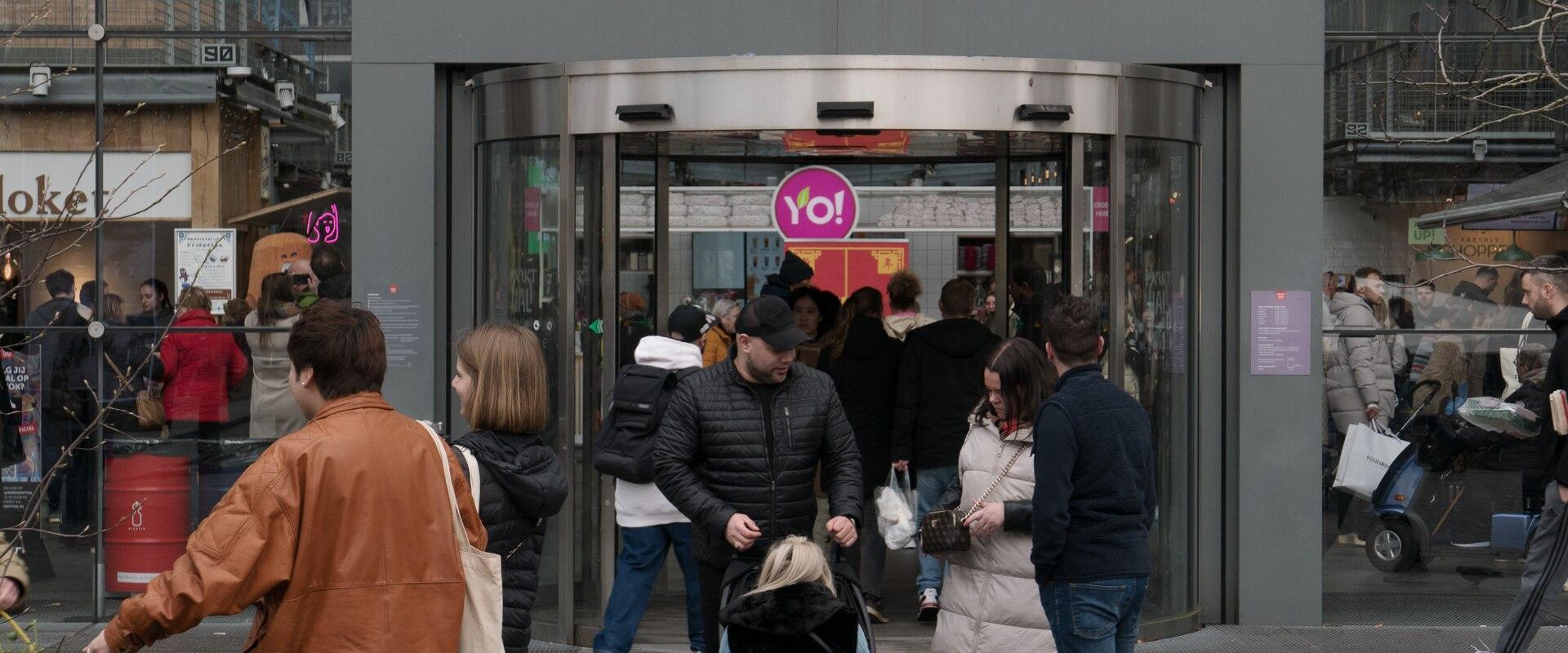
The Netherlands has quietly shifted into a cashless society, a change so seamless that most travelers don’t notice the transition until they reach for their wallets. While you can still find the occasional coin, the true currency of daily life here is contactless technology. Pin-based debit cards, known locally as pinpas, have become the undisputed standard for daily transactions.
It is crucial to prepare for this digital reality before you arrive. Most banks in Europe issue debit cards with contactless chips, but it is essential to verify that your specific card supports contactless payments. This is distinct from credit cards, which, while widely accepted, are often accompanied by higher fees for merchants and may not be universally accepted at smaller local vendors.
Once you confirm your card’s compatibility, the friction of travel dissolves. There is no need to hunt for ATMs or lug around heavy coins in your pocket. The system is designed for speed and efficiency: tap, pay, and move on. By aligning your payment method with the local infrastructure, you transform a potential logistical hurdle into a seamless part of the journey, allowing you to focus on the experience rather than the transaction.
The Green Wave: Mastering the OV-chipkaart
Navigating the Netherlands is less about reading a static map and more about understanding the rhythm of a highly efficient transit system. At the heart of this network is the OV-chipkaart, a reusable plastic smart card that serves as your universal pass for trains, buses, trams, and metro systems. While it is technically possible to purchase single-use disposable cards, the standard reusable card offers greater flexibility and ease for the long term.
To unlock the system’s full potential, you must register your personal card online or via the automated machines at major stations. This one-time registration links the physical card to your identity, a necessary step for security and refund processing. Once registered, the experience is streamlined, but it requires a specific habit: you must tap in at the start of every journey and tap out when you arrive.
This tap-in, tap-out mechanism ensures that you are charged accurately based on the distance traveled. Forgetting to tap out is a common mistake that results in a maximum fare charge, a penalty that is easily avoidable with a moment of mindfulness. By treating the card tap as a ritual rather than an afterthought, you unlock the freedom to explore the country’s extensive network with confidence and ease.
The Culinary Compass: Eating Local Without Breaking the Bank
Skip the tourist traps clustered around the major stations and let your wallet breathe. In the Netherlands, dining well does not require a fortune; it requires a keen eye for local gems. While the iconic stroopwafel is a sweet staple, the true culinary adventure lies in the diversity of local markets and independent cafes.
Head to the local horeca (hospitality) scene, where traditional Dutch dishes are served at prices that respect your budget. A kroket (a deep-fried ragout roll) from a street stand offers a quick, affordable, and authentic taste of local culture, costing mere euros while providing genuine comfort. For a more substantial meal, seek out neighborhood restaurants that serve home-style cooking. These venues offer excellent value, allowing you to savor genuine flavors without the inflated markup found in tourist-heavy zones. By choosing to support local businesses, you do more than just fill your stomach; you connect with the local way of life, one meal at a time.
The Urban Sanctuary: Accessing Nature Without the Cost
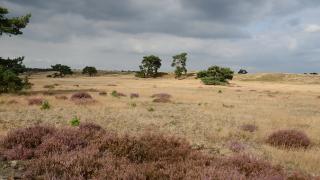
The beauty of the Netherlands lies not only in its cities but in the accessible green spaces that surround them. While popular destinations like the Hoge Veluwe offer stunning views, they can also attract large crowds and entry fees. For a more serene experience, look to the local reserves and rural landscapes that are often overlooked by standard tourist itineraries.
Dutch green spaces are designed for accessibility, not exclusivity. You can explore the gentle dunes of Zeeland or the quiet, rolling hills of Drenthe without paying a cent. These areas offer a peaceful escape where the primary cost is the effort of travel, not an entry fee. Many municipalities maintain public green zones where walking, cycling, and simply breathing in the fresh air are free rights, not luxury products.
By researching these lesser-known spots in advance, you can connect with the Dutch landscape in a profound way. Whether it is a quiet walk through a local park or a bike ride through the countryside, the tranquility of nature is open to all who are willing to look beyond the tourist trail.