
The Wind-Swept Reality: Why Umbrellas Fail Here
Leave the umbrella at home; in the Netherlands, it is less an accessory and more a liability. On the open dunes of the Hoge Veluwe, a sudden gust doesn’t just rattle your canopy—it inverts it, turning a simple shield into a tangled, wind-catching cage that hinders your progress. Locals have long abandoned this fragile tradition for technical fabrics that move with the body, prioritizing freedom of movement over rigid protection.
Waterproof jackets with fully sealed seams are the true champions of Dutch weather. They keep you dry without restricting your stride, adapting seamlessly to the landscape’s rapid mood swings where sunshine and storms often share the same hour. A lightweight shell is non-negotiable for any day trip, slipping effortlessly into a backpack so you are never caught off guard.
The sensory experience here is defined by contrast. The rich scent of damp earth mingles with the sharp, cold bite of wind whipping through the sand dunes. Navigating this terrain requires gear that breathes as well as it protects. You will find comfort in layers that shed water while allowing air to circulate, preventing that clammy, trapped feeling. Stay dry, stay moving, and let the wind dictate your pace rather than your discomfort.
Cobblestone Chronicles: Footwear for Every Terrain
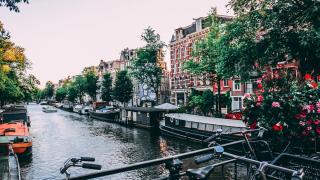
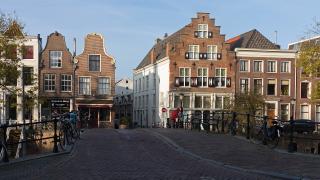
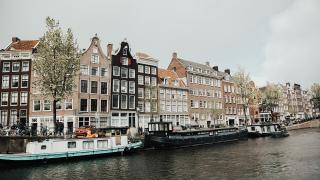
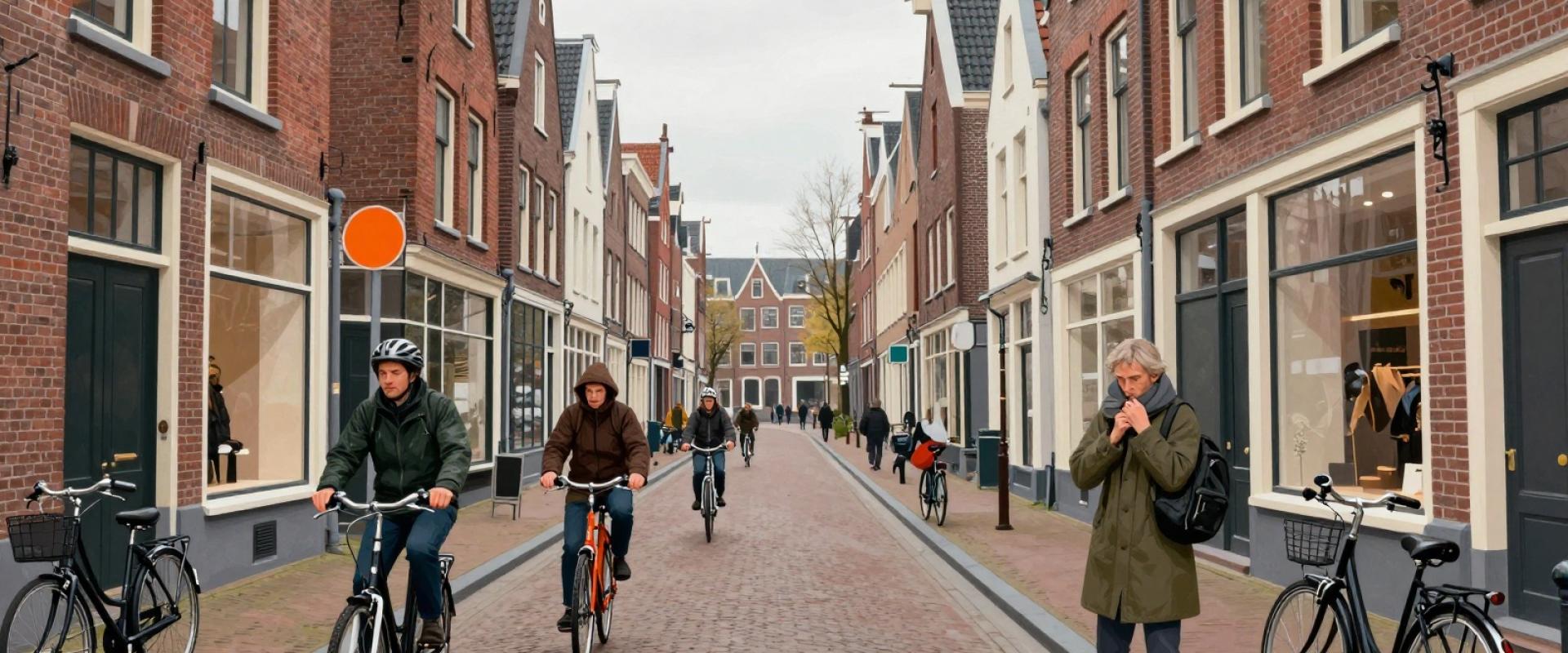
Walking through the historic centers of Amsterdam or Utrecht feels less like a stroll and more like navigating a complex puzzle laid out in stone. These surfaces are rarely smooth, and nature reserves often conceal muddy, uneven trails beneath their picturesque exteriors. To handle this varied topography, sturdy soles with deep, aggressive treads are essential for preventing slips on slick, wet stones. Rain arrives unpredictably in the Low Countries, making waterproof footwear a non-negotiable part of your kit.
I recommend investing in quality leather boots or robust waterproof sneakers that shield your feet during long exploration days. For moments when the sky clears but the ground remains damp, packable shoe covers offer a clever layer of defense. They tuck away easily, adding versatility without bulk. Meanwhile, Merino wool socks work quietly in the background to keep feet dry and warm during cooler evenings, regulating temperature far better than cotton ever could.
Comfort must take precedence over style, especially since Dutch locals are known for walking extensive distances regardless of the weather. Bringing two pairs of shoes allows you to rotate them, significantly reducing foot fatigue over the course of a trip. It is wise to check your shoe grip before departure and ensure they fit comfortably with thicker socks. This simple habit ensures stable footing on every step. You will quickly appreciate how proper footwear transforms the experience from a chore into a joy. By choosing versatile, durable options, you travel lighter and keep your focus on the journey rather than discomfort.
The Layering Logic: Dressing for Changeable Skies
Dutch weather operates on its own schedule, shifting from bright sun to steady rain in the span of an afternoon. Rather than battling with umbrellas that flip inside out in the wind, locals rely on well-cut waterproof jackets with sealed seams. This cultural preference for practicality suggests a smarter approach to your own wardrobe: treat your outfit as a system rather than a static look.
Start with a base layer of merino wool or synthetic fabric to pull sweat away from your skin. Next, add an insulating mid-layer, such as a lightweight fleece or a thin wool sweater. Finally, cap the ensemble with a packable shell that blocks wind and rain. This three-part structure allows you to peel off layers when you step into a warm museum and quickly restore them when you return to the bike path.
To keep luggage minimal, consider a curated capsule approach. For example, packing five tops, four pairs of bottoms, three insulating layers, two pairs of shoes, and one outer shell covers most scenarios without excess bulk. This method ensures you are prepared for damp cobblestones in Amsterdam or breezy tulip fields in Keukenhof. Always prioritize quick-drying fabrics over heavy cotton, which retains moisture and chill. Synthetic blends and merino wool offer superior comfort in unpredictable conditions. When your clothing manages the climate, your travel experience becomes less about endurance and more about exploration.
Eco-Conscious Essentials: Plugs, Power, and Water
Dutch infrastructure demands a specific kind of preparation, starting with the electrical outlets. Type F plugs dominate the landscape, making a universal adapter an absolute necessity rather than a nice-to-have. Without one, your devices remain locked out of the power grid, leaving you disconnected in a highly digital society.
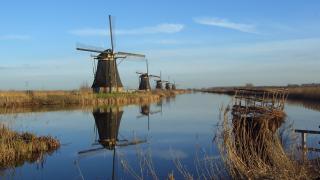
Power banks transform from luxury items into vital companions during long days spent cycling through the dunes or exploring historic windmills. A fully charged battery ensures your camera captures every detail without dying midway through a scenic route. In a country where efficiency is key, staying charged is part of the local rhythm.
Tap water flows safely from nearly every faucet in the country, offering a clean and reliable supply. This availability encourages travelers to carry reusable bottles, significantly reducing plastic waste while saving money at cafes. It is a simple habit that supports both your wallet and the environment. Compact umbrellas serve as practical backups for sudden showers, even if locals often prefer raincoats. Staying charged and hydrated sustainably keeps your journey smooth and stress-free. Pack these essentials to embrace eco-friendly habits without sacrificing convenience.
Your gadgets will thank you for the reliable power, and the environment will appreciate the reduced plastic. This small shift turns potential logistical headaches into seamless travel moments. Focus on quality gear that lasts, allowing you to enjoy the freedom of not hunting for power or water sources. Travel light, travel smart, and let the landscape speak for itself.