







- Where
- Amsterdam, Holland
- Directions
- Directions
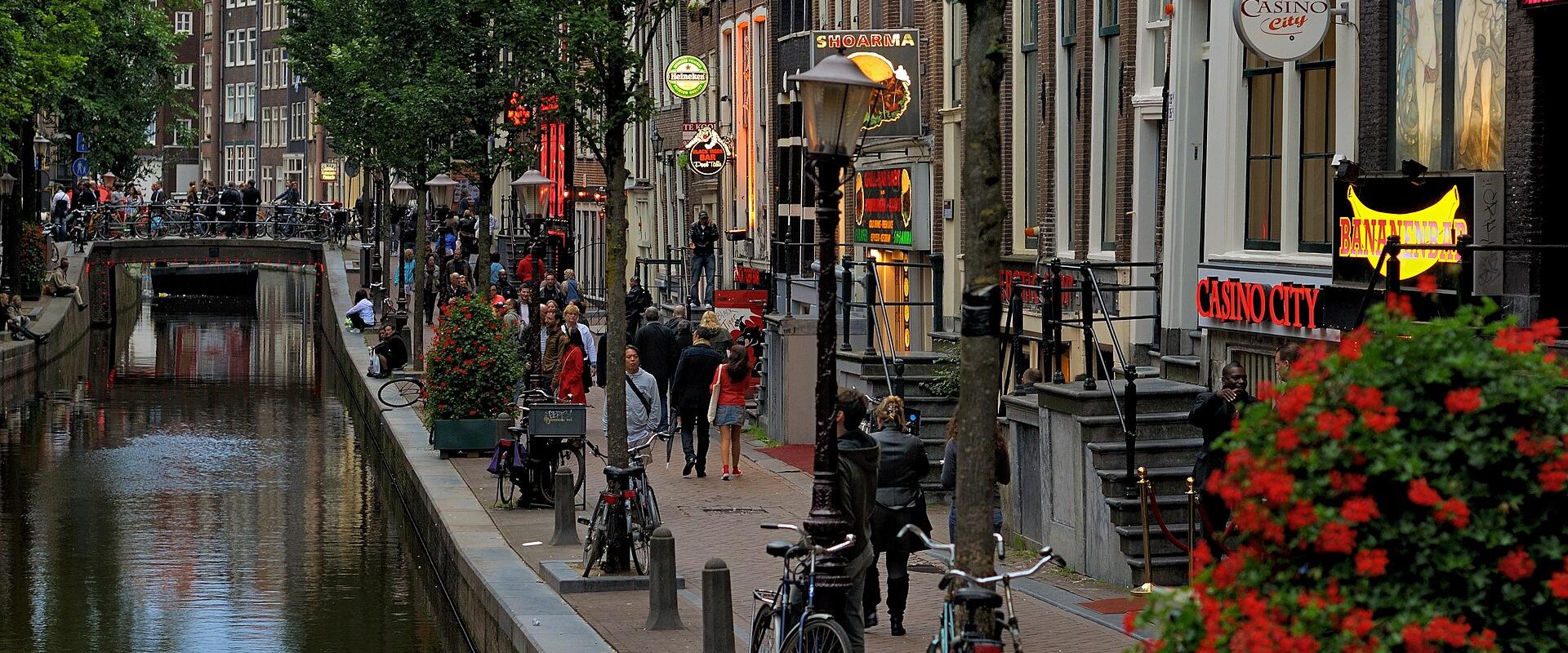
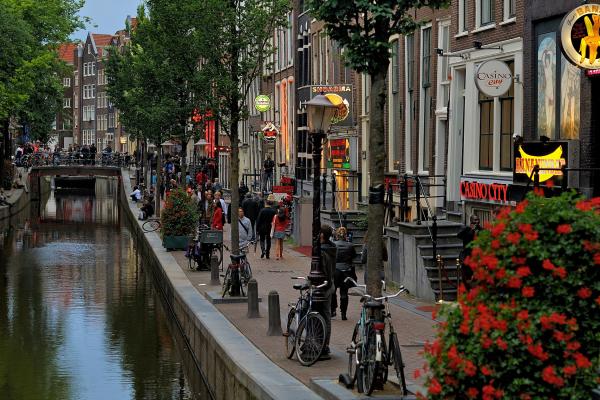
De Wallen, the area known abroad as the Red Light District, is the oldest part of Amsterdam. It grew around the harbour in the Middle Ages, along the banks of the Amstel and the first canals, and it was already a place where sailors, merchants and travellers found lodging and entertainment by the time the city became rich in the seventeenth century. Its narrow lanes and alleys still follow the medieval pattern, with canals crossed by small bridges and tall, narrow houses leaning over the water. The reputation of the district comes from the sex workers who rent windows lit in red and from the bars, clubs and shops that surround them, and the area has been associated with prostitution for several centuries.
Prostitution is legal in the Netherlands, and the brothel ban was lifted in 2000, so the windows operate under licence and regulation. The district draws very large numbers of visitors, and in recent years the city has introduced rules to ease the pressure on residents, including restrictions on guided groups at certain times, limits on opening hours and a ban on smoking cannabis in the streets of the area. Visitors are expected to behave respectfully. Photographing the women in the windows is forbidden, and people who ignore this risk having their phone or camera taken or being confronted. Valuables should be kept safe, as pickpockets work in crowded places. A large number of people live and work in the district, and it is a residential area as well as a tourist draw.
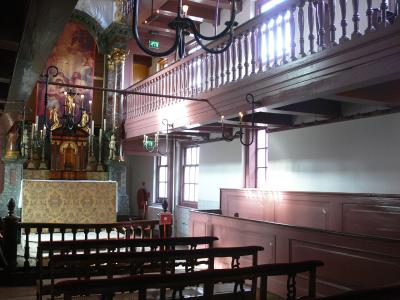
By day, the district is quite different from its reputation. It contains some of the city's most remarkable historic buildings, among them the Oude Kerk, the Old Church, the oldest building in Amsterdam, founded in the early fourteenth century, with a fine carillon and a floor of gravestones. A hidden church from the seventeenth century, preserved in the upper floors of a canal house, tells how Catholics worshipped in secret after the Reformation. Several museums, bars, cafes and shops fill the surrounding streets, and Chinatown and the Zeedijk are close.
At night, the area is lit with neon and the streets are crowded and noisy, particularly at weekends. Guided walks led by locals, often including former workers, explain the history, the legal framework and the social issues, and they give an informed way to see the district.
The area suits adults curious about the history and culture of the city. It is not appropriate for young children. Plan a walk by day for the architecture and a short look in the evening, and keep to the main lanes.
Categories
More photos coming soon
Nearby Attractions
Other places to visit in Amsterdam

9 Straatjes
Historic canalside streets with shops and cafés
Urban Exploration · City Centers

A'DAM Lookout
Observation deck with 100-meter swing
From €8.50 Activities & Adventure · Promenades
Amstelkring Museum
17th-century canal house with hidden attic church
Cultural Experiences · History & Heritage
Amsterdam Museum
Amsterdam's history museum in a 17th-century orphanage
Art Museums · History Museums
Questions people ask
Quick Facts
Best Time to Visit
April to May and September to early October offer mild weather, blooming tulips, and fewer crowds, ideal for exploring Amsterdam’s canals and museums.