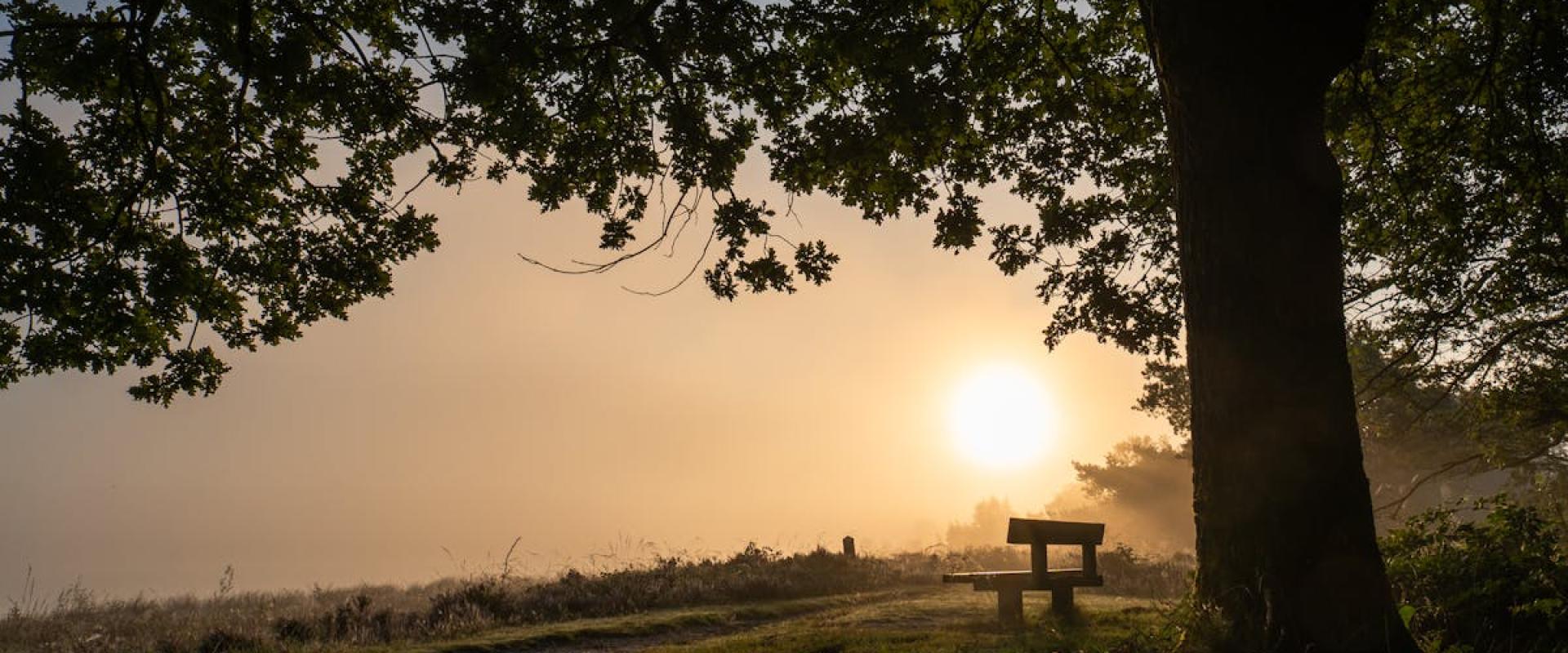
Dwingelderveld
Largest wet heathland with forests and fens in Drenthe
Dwingelderveld National Park is one of the jewels of the Dutch landscape, an immersive area of one of Western Europe’s largest wet heathlands. It was established as a national park in 1991 and covers about 37 square kilometres in Drenthe, between the villages of Dwingeloo and Ruinen. Its history is tied to traditional land use. For centuries local communities grazed sheep and managed the heath, and this shaped the open, rolling land seen today. These practices preserved an unusual ecosystem, in which wet and dry heath, fens, pine woods and sandy ridges form a mosaic. The area is also one of the largest continuous stretches of heath in the Netherlands.
A visit shows a landscape of unusual variety. The park is known for its fields of heather, which turn purple in late summer, and for the fens, shallow peaty pools scattered among the heath that give homes to amphibians, dragonflies and rare plants. The pine and mixed woods shelter birds and mammals, while the sandy hills and open grassland are grazed by traditional Drenthe sheep, a living sign of the region’s pastoral heritage.
The park’s main attractions are its walking and cycling trails, which suit all levels of fitness and interest. Marked routes lead through the different landscapes, past viewpoints and into quiet corners where wildlife can be watched in peace. The Bezoekerscentrum Dwingelderveld, the Visitor Center, is a good starting point, with interactive exhibits, maps and information on the ecology and history of the park. The Boslounge Visitor Center is another welcoming gateway. Guided walks, nature excursions and education programmes are regularly organised, which makes the park easy and interesting for families and school groups.
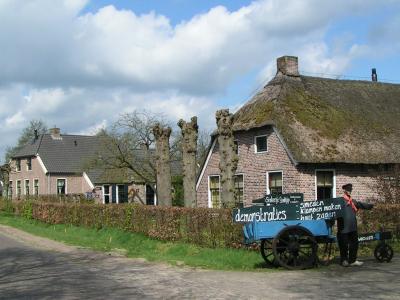
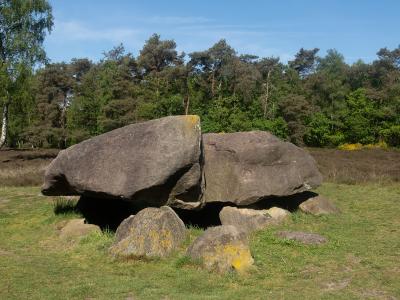
For a deeper link with nature, Dwingelderveld offers birdwatching, photography and quiet reflection. The park is home to many bird species, among them cranes, curlews and nightjars, as well as rare butterflies and dragonflies. The traditional flocks of sheep add to the charm, and visitors may meet a shepherd with his flock along the trails. Nearby, the village of Dwingeloo has a historic church, a famous radio telescope and the Planetron observatory, and other highlights of Drenthe, such as the Hunebedden, the prehistoric dolmens, and the Drents Museum in Assen, can be reached on day trips. A secondhand shop, Kringloop de Siepel, near the park is a popular stop for browsers.
Getting to Dwingelderveld is straightforward. The park can be reached by car, with parking at several entrances, among them those near Dwingeloo and Ruinen. By public transport, trains run to Hoogeveen or Beilen, followed by local buses to the area around the park. Cycling is a popular way of exploring both the park and the Drenthe countryside, with dedicated bike paths and rental facilities.
Seasonal advice is useful when planning a visit. The best time for Dwingelderveld is from late spring to early autumn, from May to September, when the weather is generally mild and the heather is in bloom. Summer has long days and warm temperatures, good for hiking and cycling, while spring brings fresh green and fewer visitors. Autumn is also beautiful, with colour in the trees and a peaceful atmosphere. Winters can be quiet and atmospheric, though some facilities have reduced hours and the weather can be cold and wet.
In short, Dwingelderveld National Park is a haven for nature lovers, families and anyone who wants calm in a landscape shaped by centuries of human and natural interaction. Its rich wildlife, scenery and cultural heritage make it a leading place to visit in Drenthe, and one of Europe’s largest wet heathlands.
Best time to visit
Late spring to early autumn (May–September) offers mild weather, blooming heather, and ideal conditions for hiking, cycling, and wildlife observation.
What to see in Dwingelderveld
Our picks first.

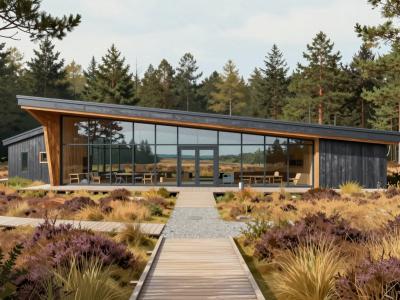
Dwingelderveld by interest
The same sights, grouped by what you came for.
Did you know?
Checked facts about Dwingelderveld, each with its source.
-
Record
Largest wet heathland in Western Europe
Dwingelderveld National Park is recognized as the largest contiguous wet heathland area in Western Europe, covering approximately 37 square kilometers.
Source: www.nationaalpark-dwingelderveld.nl
Planning a visit to Dwingelderveld
Itineraries that include Dwingelderveld
Good to know
- Currency
- EUR
- Language
- Dutch