What Makes Apenheul Different
Apenheul is a primate park in Apeldoorn, in the province of Gelderland, set in the woodland of the Berg en Bos park. It opened in 1971, founded by photographer Wim Mager, who had kept monkeys as pets. Its defining idea, unusual at the time, was to let some species move freely through the same woodland that visitors walk through, rather than keeping every animal behind glass.
Today the park holds around 35 primate species. Some live in free-roaming areas you walk through; others, including the great apes, live in large enclosures or on islands that you watch from paths and viewing points. That mix is what people mean when they talk about "encounters" at Apenheul: you are a guest in the animals' space, and they decide how close they come.
Who You Might Meet
In the free-roaming areas, the park names black-capped squirrel monkeys, Barbary macaques and the primates of its Madagascar area, plus animals around the treetop walk. Squirrel monkeys are small, fast and very curious, and they are the species most likely to come close to the path.
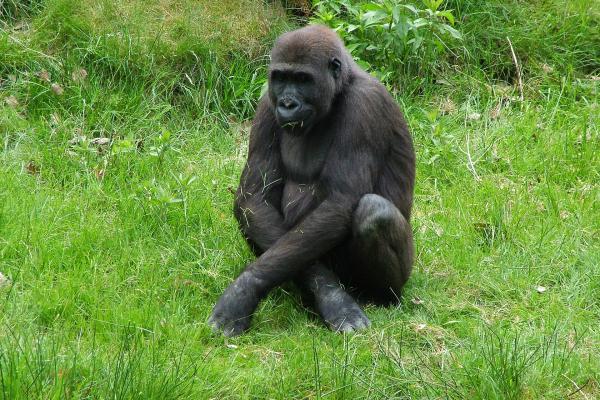
The great apes are the other big draw. Gorillas have lived at Apenheul since 1976, and the first gorilla born there arrived in 1979. Bonobos came in 1996 and orangutans in 1999. These apes are not free-roaming among visitors, but their enclosures are large and naturalistic, and watching a group interact for twenty minutes tells you more than a quick walk past.
The Rules in the Free-Roaming Areas
Free-roaming monkeys are quick to investigate anything that rustles, opens or smells of food. To prevent that, Apenheul lends visitors a monkey-proof bag for personal belongings, and there are lockers at the entrance that take a euro coin as a refundable deposit. Use them: loose bags, open pockets and food in your hand are what attract unwanted attention.
A few other points are worth knowing:
- Do not touch or feed the animals. Let them approach, or not, on their own terms.
- Keep food and drink packed away in the free-roaming areas.
- Strollers are allowed throughout the park, including the free-roaming zones.
- Dogs and other pets are not allowed, including assistance dogs. A companion may enter free with a valid assistance-dog certificate and ID; check the park's rules for details.
Season, Hours and Tickets
Apenheul is a seasonal park. In 2026 it is open daily from 20 March to 8 November. Opening hours vary through the season, generally starting at 10:00 and closing between 16:00 and 18:00, so check the hours for your date.
Standard 2026 prices are listed at about €30.50 for visitors aged 13 and over and €27.50 for children aged 3 to 12; under-3s go free. Online prices can vary by date and time slot, and you need a timed entry reservation through the official webshop, so book ahead rather than turning up. Parking costs extra, around €11 per car. Prices change, so treat these as a guide and confirm on the official site.
Getting There
From Apeldoorn railway station, bus line 1 runs to the Apenheul stop in about 15 minutes. Apeldoorn has direct intercity trains from Amsterdam and Amersfoort, and connections from Deventer and Zutphen. Use the 9292 journey planner for current connections. By car, the park is on the western side of Apeldoorn and well signposted.
Making the Most of a Visit
Arrive near opening time. Primates are often more active in the cooler morning, and the paths through the free-roaming areas are calmer before the midday peak. Allow at least half a day; a full day lets you return to areas where you saw little the first time, which is common with free-roaming animals.
Wear comfortable shoes, as the park is woodland with some slopes, and bring a layer for spring and autumn. For food, the park has several restaurants, including De Apegaap, Wildebras and De Waaghals, plus seasonal kiosks. Staff at these outlets can advise on dietary needs, though gluten-free food cannot be guaranteed.
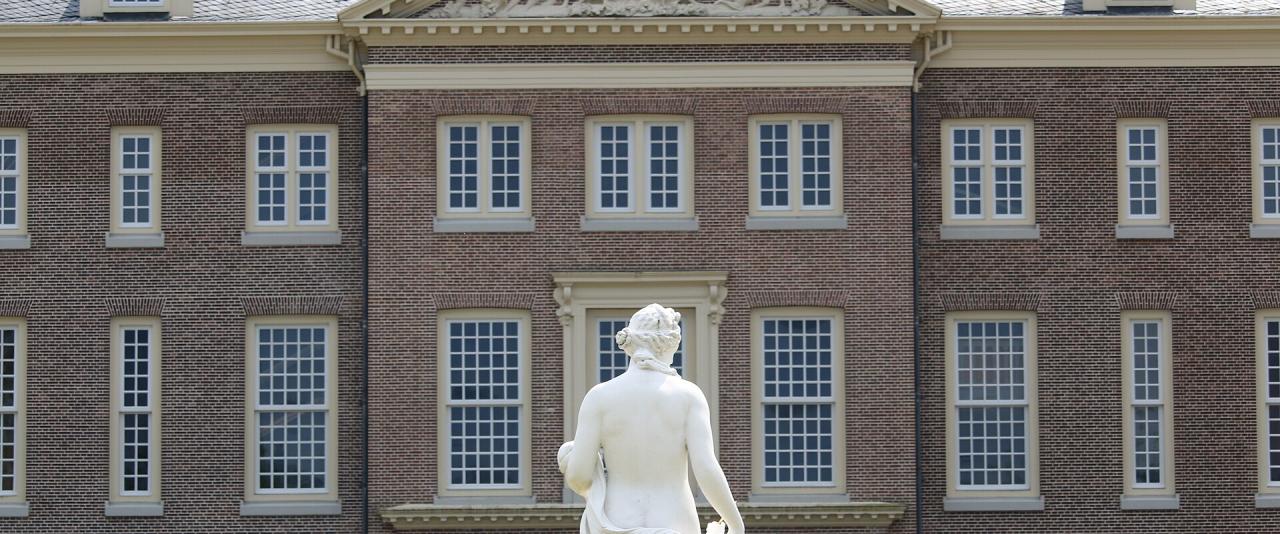
If you have more time in Apeldoorn, Paleis Het Loo, the former royal palace with formal gardens on the north side of town, makes a good second stop.