What Zaanse Schans Is
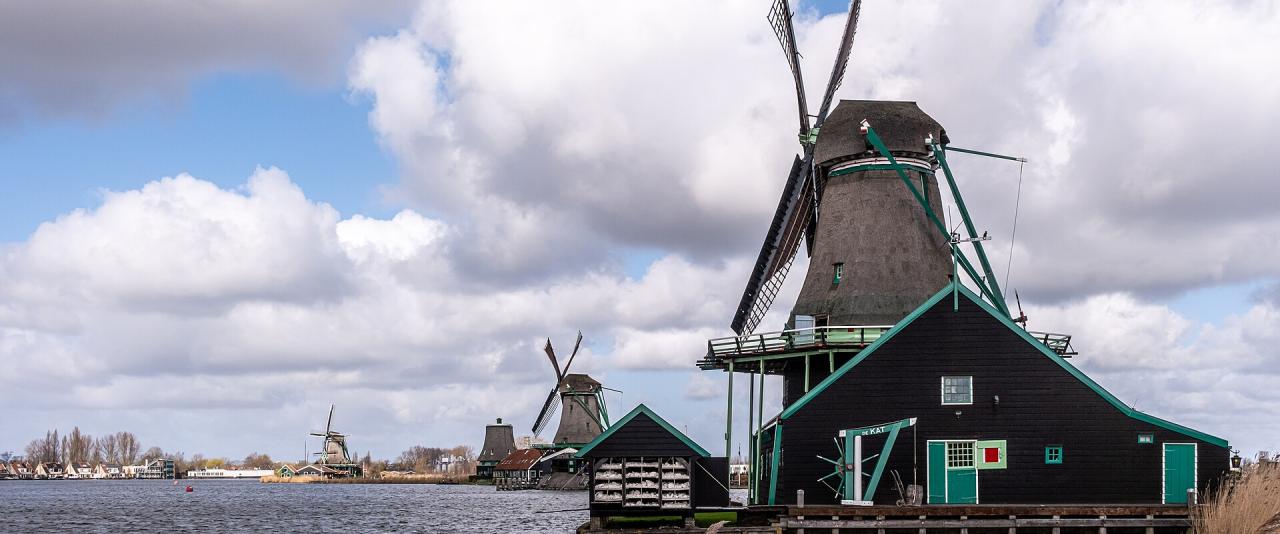
Zaanse Schans is an open-air neighbourhood of historic wooden houses, warehouses and windmills on the river Zaan, just north of Amsterdam. Between 1961 and 1974, old buildings from across the Zaan region were moved here on low trailers to save them; only a couple of the mills stand on their original sites. The name comes from the river and from a "schans", a defensive earthwork built against Spanish troops during the Eighty Years' War.
It is one of the most visited places in the Netherlands, with around 2.6 million visitors in 2024. For families the attraction is that it is compact, mostly outdoors and full of things that move: sails turning, machinery grinding and crafts being demonstrated.
The wooden houses are painted in the traditional Zaan style, mostly dark green with white trim, and many of them are private homes where people still live. Keep to the public paths, do not look into windows or walk into gardens, and keep noise down early and late in the day. Explaining this to children before you arrive makes it easier to manage on the day.
The Windmills
There are eight windmills along the riverbank, and each had an industrial job:
- De Huisman, a mustard mill
- De Gekroonde Poelenburg, Het Jonge Schaap and Het Klaverblad, sawmills
- De Kat, a dye mill that grinds pigments
- De Os, De Zoeker and De Bonte Hen, oil mills
The Zaan region was one of the earliest industrial areas in Europe, with hundreds of wind-powered mills sawing timber, pressing oil and grinding paint. Children who have only seen windmills in pictures are usually surprised by their size and by the noise and vibration inside a working mill. Mill interiors charge admission, and the steep ladders and open machinery mean young children need close supervision; buggies stay outside.
Museums and Demonstrations
The Zaans Museum, opened in 1994 at the southern end of the site, tells the story of the region's industry and daily life. It includes the Verkade Experience, about the local chocolate and biscuit factory, which tends to hold children's attention well.
Along the main street are several workshops and shops where you can watch traditional crafts such as clog-making and see cheese being made or sold. These are commercial businesses as well as demonstrations, so expect shops at the end of each visit. Agree on a souvenir budget with children before you arrive.
Tickets and Entry Fees
Historically, walking around the outdoor area has been free, with charges for the mills, the Zaans Museum and some other indoor sites, plus an optional all-in card. Zaanstad municipality announced plans to introduce a visitor ticket of around €17.50 from 2026 for people from outside the area, covering the museum and mill interiors, to manage crowds and pay for maintenance and facilities. The plans met local opposition, so check the official Zaanse Schans website for the current ticketing arrangements and prices before you go.
Getting There From Amsterdam
The easiest route is by train. Zaandijk Zaanse Schans station is about 18 minutes from Amsterdam Centraal on the line towards Uitgeest and Alkmaar. From the station it is a short walk through Zaandijk and across the bridge over the Zaan; follow the signs. With small children, allow extra time for this walk. The bridge itself gives one of the best first views of the mills along the riverbank, so it is worth pausing there.
Buses also run from Amsterdam, and the site has paid parking for cars. Cycling from Amsterdam is possible for older children who are comfortable on longer rides, though the route passes through built-up areas.
Planning the Day With Children
The site is busiest from late morning to mid-afternoon, especially on weekends and in summer, when coach tours arrive. Coming early in the day or later in the afternoon makes a large difference, particularly with buggies on the narrow paths and wooden bridges.
Two to four hours is enough for most families. A sensible order is to start with one working mill while children have energy, then the Zaans Museum, then the riverside paths and craft demonstrations. The site is exposed to wind off the river, so bring layers even on sunny days, and remember that the waterside paths have few barriers.
If you have time, Zaandam's town centre is close by, and the river views from the far bank across to the row of mills are some of the best on the site.