
Dawn’s Gentle Glow: Timing Your First Light
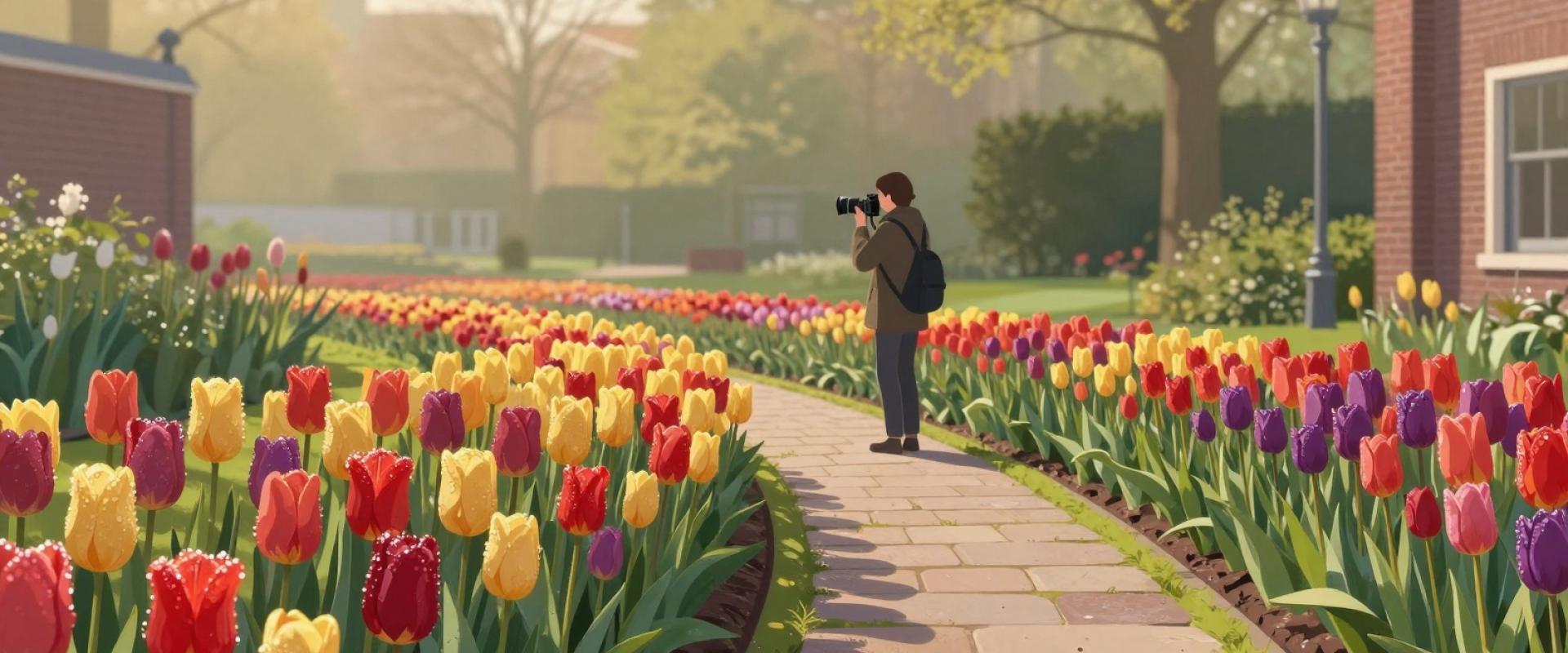
The magic of Keukenhof begins before the gates even swing open. Aim to be at the entrance precisely at 8:00 AM. In that early hour, the air retains a crisp chill, heavy with the scent of damp earth and unfurling greenery—a fragrance that the midday sun quickly burns away. Soft, diffused light washes over the tulip beds, banishing the harsh, unforgiving shadows that tend to flatten images taken later in the day. By securing an early slot, you sidestep the chaotic surge of visitors that typically clogs the entrance after 10:00 AM, allowing for a calm, contemplative start to your morning.
Families particularly appreciate this quiet window. Without the pressure of navigating dense crowds, children can wander freely, their wonder uncurbed by the need to dodge other tourists. The low-angle sunlight stretches long, warm shadows across the gravel paths, creating a natural vignette that frames your subjects beautifully. This specific lighting condition reveals the delicate, papery textures of petals and leaves in a way that flat, overhead noon light simply cannot replicate.
However, the garden’s rhythm is dictated by the season. Opening times shift slightly depending on the specific year and weather conditions, so verifying the official schedule for your exact visit date is non-negotiable. Planning around these precise hours ensures you capture the garden in its most serene state. The result is a portfolio of images that feel intimate and authentic, standing in stark contrast to the crowded, chaotic snapshots taken during peak hours.
Shadows and Secrets: Finding Quiet Corners
While the main boulevards draw the masses, the Arboretum offers a sanctuary for the discerning photographer. Step away from the thoroughfares and wander toward Flower Lake. Here, the water reflects the sky and surrounding flora, providing a tranquil backdrop ideal for longer exposures. Passersby are few, ensuring that your composition remains undisturbed and peaceful.
Look for ornate bridges and wooden gazebos scattered throughout this section. These structures serve as natural frames, adding depth and context to your tulip portraits. The interplay between the rigid architecture and the organic softness of the flowers creates compelling visual tension. Use these elements to guide the viewer’s eye through the frame, rather than letting the image feel flat or disjointed.
It is crucial to remember that marked paths are mandatory. This is not a suggestion but a strict rule designed to protect the seven million bulbs that define this landscape. Straying off these trails damages the delicate ecosystem and disrupts the growers. Choosing quieter, designated zones benefits both preservation and your art. You capture better memories while respecting the land, achieving a harmonious balance between nature and creativity.
Beyond the Gates: Combining Fields and Gardens
Stepping past the park’s boundaries reveals a landscape defined by vast, geometric precision. In the surrounding towns of Lisse and Hillegom, the earth itself becomes a canvas. Stripes of tulips stretch toward the horizon, creating patterns that are both orderly and wildly colorful. Renting a bicycle is the most effective way to navigate these open spaces. It allows you to pause instantly whenever a particularly striking pattern catches your eye, offering a freedom that walking or driving cannot match.
The rhythm of pedaling blends with the distant chime of other cyclists’ bells, creating a peaceful soundtrack for your journey. Low-angle sunlight casts long, dramatic shadows across the rows, highlighting the texture of the petals and the dampness of the soil. This warm, diffuse light brings out rich hues that the midday sun often washes out. Keep your camera settings simple: a wide aperture isolates individual blooms, while a steady hand ensures sharpness across the frame.
Remember, these are working farms. Stay strictly on public paths to respect the growers and their livelihoods. The air here carries the faint, earthy scent of wet dirt and fresh green stems. It is a sensory experience that photography alone cannot capture. By slowing down and observing the quiet labor behind the beauty, you gain a deeper appreciation for the scene. This perspective shifts the focus from mere sightseeing to genuine immersion in the Dutch countryside.
Gear Up for the Dutch Drizzle
Spring in Lisse is notorious for its unpredictability. Rain can break over the landscape without warning, so shield your gear accordingly. A waterproof cover for your camera body is essential, as is keeping microfiber cloths handy to wipe away sudden lens fog. The soil near the tulip rows turns into thick, clinging mud, demanding sturdy waterproof boots for stable footing. Do not underestimate the chill; dampness saps battery power faster than usual, so pack extra reserves.
Arriving before 8 a.m. lets you catch the soft, low-angle sunlight before the park fills with noise and the likelihood of afternoon showers increases. This practical preparation keeps your attention on the blooming fields rather than your equipment. Breathe in the scent of damp earth and listen for distant bicycle bells while you wait for the light to perfect. Stay dry and organized to let the vibrant colors shine through your lens, regardless of the weather.