
The Duel of Canals and Coast
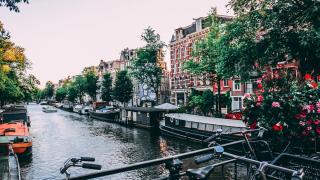
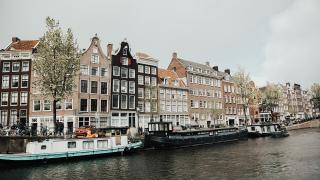
Amsterdam pulls you into a labyrinth of narrow canals, where the Prinsengracht reflects centuries of merchant wealth in its dark, still waters. It feels less like a tourist trap and more like a living, breathing archive of Dutch history. The atmosphere is dense with stories, wrapped in the quiet intimacy of brick-lined streets that have witnessed centuries of trade and trade wars.
The Hague offers a stark, refreshing counterpoint. Here, the rhythm shifts from the quiet hum of the past to the open, salt-laced breath of the North Sea. Step out at Scheveningen, and the horizon opens up, vast and endless, stretching out to meet the sky. This is not just a change in view, but a shift in mood, trading the enclosed comfort of history for the expansive freedom of the coast.
Both cities sit within the Randstad’s economic engine, a metropolitan pulse that drives over six million people. Yet, their souls diverge sharply. Amsterdam is intimate, layered, and rooted in the quiet details of canal-side living. The Hague is spacious, diplomatic, and connected to the open sky. Choose your path based on whether you seek the comfort of enclosed beauty or the boundless air of the open sea.
Gilded Halls and Diplomatic Grace
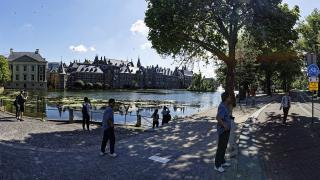
While Amsterdam’s vibrant, bohemian spirit draws the eye, The Hague offers a quieter, more solemn counterpoint. It serves as the political heart of the Netherlands, where the government’s seat anchors the city’s identity. The Binnenhof, a complex of medieval buildings, houses the Dutch parliament, anchoring the area in a deep sense of history. Walking through its courtyards, you feel the weight of centuries whispering through stone arches.
This political gravity stands in sharp contrast to the private wealth showcased in Amsterdam’s gilded facades. In The Hague, the Peace Palace stands as a testament to international law, its red sandstone and marble halls echoing with diplomatic weight. The building exudes a solemn authority that balances the city’s artistic refinement.
For a change of pace, visit the Mauritshuis, where Vermeer’s Girl with a Pearl Earring invites quiet contemplation. The masterpiece captures a moment of intimate stillness, far removed from the political power that defines the surrounding state. The street Scheveningse Kade offers a different rhythm, lined with cafes where the sea breeze mixes with the scent of fresh bread. This balance of institutional gravitas and coastal ease defines the region. One represents structured authority; the other, natural ease. Together, they offer a complete picture of Dutch character, showing how the structured state and the creative spirit can coexist in harmony.
Canal Whispers and Sea Breezes
Canal water in Amsterdam moves with a quiet, heavy grace, reflecting the brick facades that lean inward like old friends sharing a secret.
Step just a few kilometers east, and the atmosphere fractures into something sharper. The North Sea wind hits you with a saline bite, stripping away the cozy insulation of the capital’s narrow streets. This is not merely a change in scenery; it is a sensory pivot.
Where Amsterdam feels like a curated museum of controlled intimacy, Den Haag breathes with the wild, open rhythm of the coast. Standing on the Scheveningen pier, you feel the wind whip through your coat, a stark, chilling reminder that the landscape is far more untamed than the postcard images suggest. The Peace Palace stands as a solemn, stoic sentinel against this backdrop, its stone facade a grounding anchor in the shifting air.
This is not simply a visual difference. It is a fundamental shift in how the air tastes and feels against your skin. The Netherlands is not a monolith; it is a tapestry of distinct, contrasting experiences. One moment, you are in the quiet introspection of the inner city; the next, you are facing the wild, open spirit of the coast. Each location offers a completely different truth about the Dutch soul, proving that the country is far more complex than a single narrative can capture.