



Weather Whisper
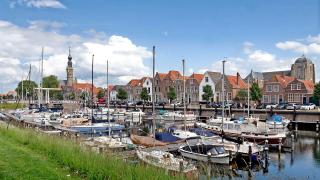
The Dutch sky is less a static backdrop and more a moody character, capable of shifting from bright, golden sunshine to a biting, gray chill in the blink of an eye. To navigate this, you must abandon the idea of a static wardrobe in favor of adaptability. A waterproof jacket is not merely an accessory; it is a non-negotiable necessity. Umbrellas, while classic, often flip inside out in the gusty coastal breezes, leaving you soaked and frustrated. Locals have long ago abandoned the umbrella for the streets, opting instead for practical, layered clothing that breathes with the weather. This strategy ensures that whether the sun breaks through or the rain pours down, you remain comfortable, dry, and unencumbered.
The 5-4-3-2 Capsule Strategy
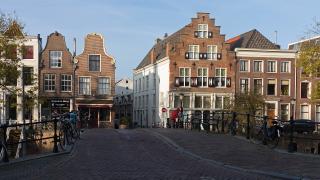
Amsterdam’s historic cobblestones are beautiful, but they are also unforgiving to the unprepared traveler. The key to navigating these ancient, uneven paths is not brute force, but strategic lightness. Forget the heavy, bulky coats that bog you down; instead, opt for lightweight, high-quality layers that adapt to the fickle Dutch climate.
To keep your luggage manageable and your travel stress-free, embrace the capsule wardrobe principle. Start with five interchangeable tops, four pairs of versatile trousers, and three carefully selected accessories. This specific combination allows for endless outfit variations while minimizing clutter. For instance, a crisp white shirt or a sleek, weather-resistant jacket pairs seamlessly with dark denim. By sticking to a neutral color palette, you ensure that every piece works with every other, eliminating the mental fatigue of deciding what to wear each morning. In the end, travel becomes less about managing luggage and more about the freedom to explore.
Footwear for Cobblestones and Canals
The physical demand of exploring Dutch cities is often underestimated. The historic centers are paved with uneven, slick cobblestones that can be treacherous, especially when the characteristic Dutch rain turns them into slippery ice. You need reliable traction to navigate these historic paths safely, and this is where your choice of footwear becomes critical.
Invest in sturdy, well-structured walking shoes with excellent grip. A versatile, waterproof pair of sneakers or ankle boots is essential, as they handle both the rain and the uneven terrain with ease. Avoid heavy, non-breathable materials that trap moisture and lead to blisters. Instead, choose lightweight options that allow you to move freely without the burden of heavy, waterlogged footwear. This strategic approach ensures comfort during long days of sightseeing, allowing you to focus on the beauty of the architecture rather than the ache in your feet.
The Art of the Dutch Layer
The secret to mastering the Dutch climate is understanding the "onion" approach to dressing. Dutch weather is a moody artist, sketching rain and sun in the same hour. To navigate this, you need a flexible wardrobe, not a heavy suitcase.
Start with a thin, moisture-wicking base layer that hugs your skin, keeping you dry during sudden, unexpected showers. Layer a warm mid-layer, such as a merino wool sweater, on top. Merino is particularly effective as it traps heat without the bulk, allowing for easy adjustment. Finally, cap the look with a windproof, waterproof outer shell. This barrier blocks the damp, chilling air that sweeps in from the North Sea.
The beauty of this system is its versatility. You can peel layers off as the sun breaks through the clouds, or zip up as the wind picks up. There is no need to carry an extra umbrella; locals rarely use them, preferring to move through the rain with ease, covered by a single, high-quality shell. This approach keeps you comfortable without the burden of extra luggage, allowing you to stay dry, warm, and free to explore.
Final Checklist and Local Etiquette
Before you step out of your door, take a moment to ground yourself in the practicalities of your trip. Start by double-checking your passport expiration date and confirming that your travel insurance is active. This simple verification prevents the stress of bureaucratic hurdles at Schiphol Airport or during border checks.
Next, consider the local rhythm. While the Dutch rain is famous, it often arrives as a light, persistent mist rather than a dramatic storm. A lightweight, waterproof jacket is more practical than an umbrella, which can be cumbersome in crowded streets and narrow alleys.
For packing, stick to the "five-item rule" for your core wardrobe: choose five versatile pieces that all coordinate. This strategy reduces clutter and allows you to create multiple outfits from a few items, ensuring you are always appropriately dressed.
Finally, respect the local etiquette. In the Netherlands, public transport is quiet and respectful. Offer your seat to elderly or pregnant passengers, and keep your voice low. These small gestures demonstrate cultural awareness and help you integrate into the local rhythm. Travel is not just about seeing places; it is about connecting with the people and rhythms of the place you are visiting. Embrace the local customs, and you will find that the Netherlands opens its doors to you in the most welcoming way.