2-day itinerary
Veenhuizen Cultural Heritage
2-day cultural heritage exploration in Veenhuizen
- Length
- 2 days · 4 sights
- Pace
- Moderate
- Estimated cost
- €75 per person
- Based in
- Veenhuizen
Day by day
-
Day 1: The Penal Colony and Social History
Explore the unique history of Veenhuizen as a 19th-century social reform colony and prison village. This day focuses on the profound social experiment that shaped the region's architecture and community structure.
-
09:00
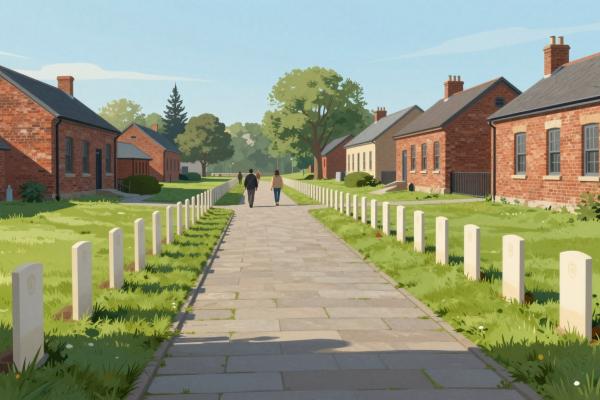
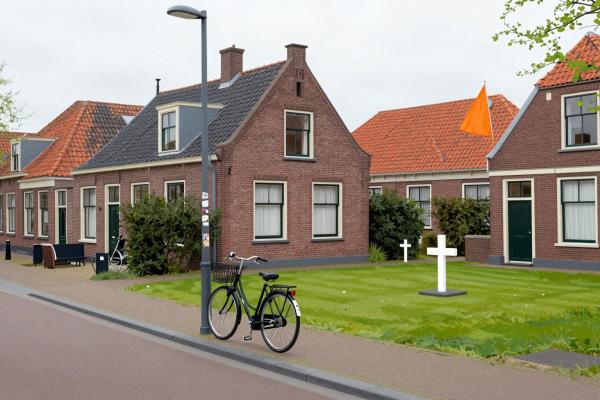
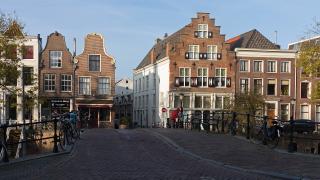
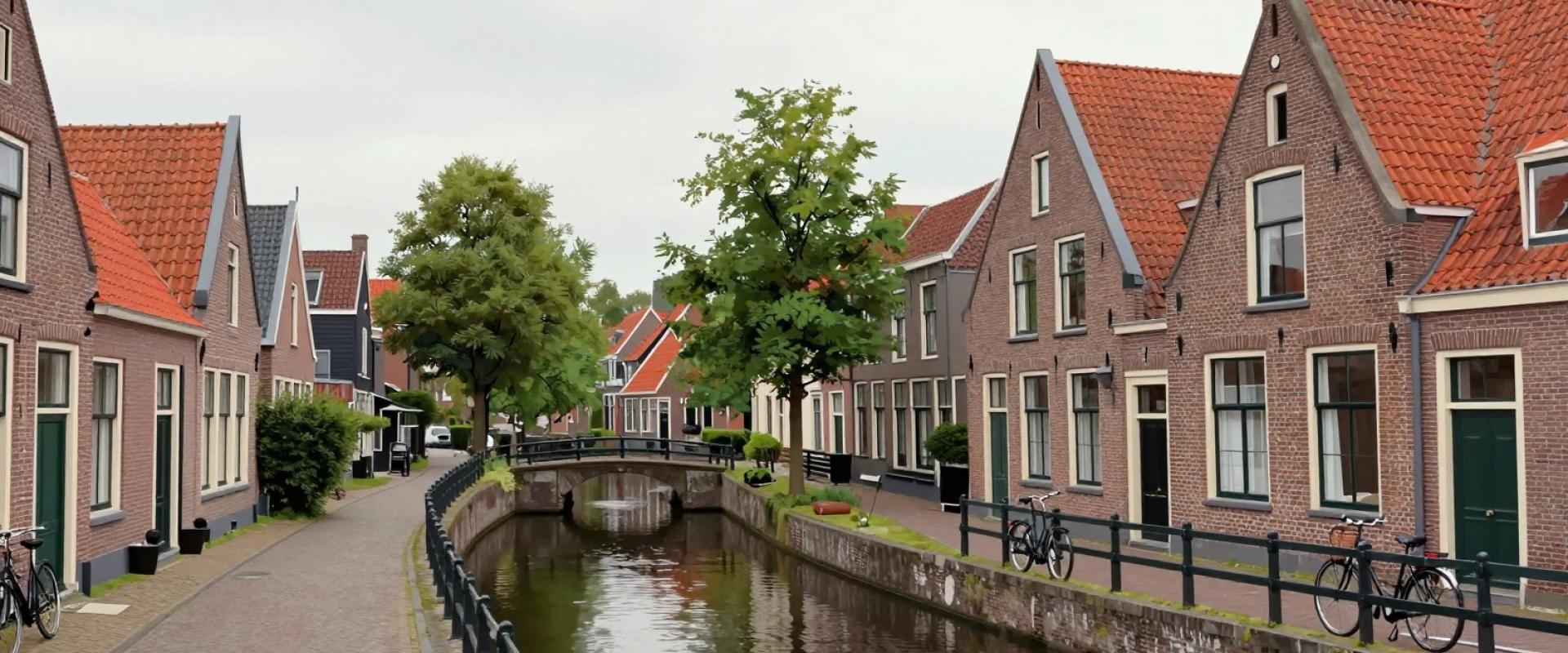
Begin with a guided or self-guided walk through the historic colony. Observe the distinctive brick architecture, the grid-like layout designed for order and rehabilitation, and the former administrative buildings. Learn about the social reform movement that established this village for the poor and criminals.
About 2 hours
-
12:00
Lunch in Veenhuizen Center
Enjoy a traditional Dutch lunch at a local café or restaurant in the village center. Try local specialties such as stamppot or fresh bread from the village bakery.
About 60 min
-
13:30
Visit the Prison Museum to delve deeper into the penal history. Explore the actual cells, view interactive exhibits on daily life in the 19th and 20th centuries, and understand the harsh conditions and rehabilitation methods used in this isolated community.
About 2 hours
-
16:00
Drawbridge and Lock Exploration
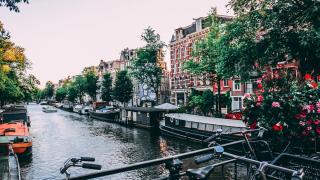
Walk to the historic drawbridge and lock system. These structures were crucial for the transport of goods and people in and out of the colony. Observe the engineering and the surrounding waterways that isolated the village.
About 1.5 hours
-
17:30
Evening Stroll and Reflection
Take a quiet evening walk around the perimeter of the colony to see the buildings illuminated at dusk. Reflect on the complex history of the site.
About 60 min
- Meals:
- Lunch at Veenhuizen Village Center
- Where to stay:
- Stay in Veenhuizen or nearby Dwingeloo for easy access to the colony sites. Many B&Bs (Bed & Breakfasts) are available in renovated colonial buildings.
- Getting around:
- Walking is sufficient for most sites within the colony. A car is recommended if arriving from outside the immediate area, as public transport links are limited.
-
09:00
-
Day 2: Peat Heritage and Industrial History
Discover the industrial backbone of the region: peat extraction. This day focuses on the transportation methods and energy infrastructure that powered the Netherlands' early industrialization.
-
09:00
Turf Barge and Old Power Station
Visit the historic peat transport barge and the adjacent old power station. Learn how peat (turf) was harvested from the surrounding moors and transported via canals. See the machinery used to convert peat into electricity, a key part of the region's industrial heritage.
About 2 hours
-
12:00
Lunch Near the Canals
Have lunch at a café near the canal systems. Enjoy a light meal and perhaps a coffee while watching the water traffic.
About 60 min
-
13:30
Return to or explore the drawbridge and lock area again, focusing on its role in the peat trade. Understand how the water management system supported both the penal colony and the peat industry.
About 1.5 hours
-
15:00
Moorland Hike
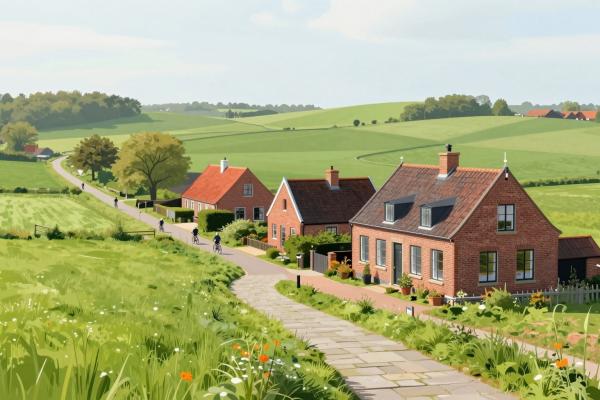
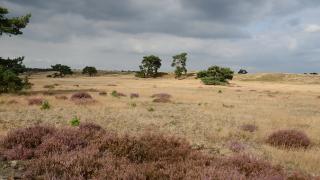
Take a short hike in the surrounding moorlands (veen) to see the landscape that provided the peat. This offers a natural contrast to the built heritage of the colony.
About 60 min
-
16:30
Souvenir Shopping and Departure Prep
Visit local shops for souvenirs related to the colony's history or local crafts before preparing for departure.
About 60 min
- Meals:
- Lunch at Canal-side Café
- Where to stay:
- Check out and depart, or continue stay in the region.
- Getting around:
- Walking and light hiking gear recommended. Car useful for reaching the moorland access points.
-
09:00