- Where
- Veenhuizen, Drenthe
- Directions
- Directions
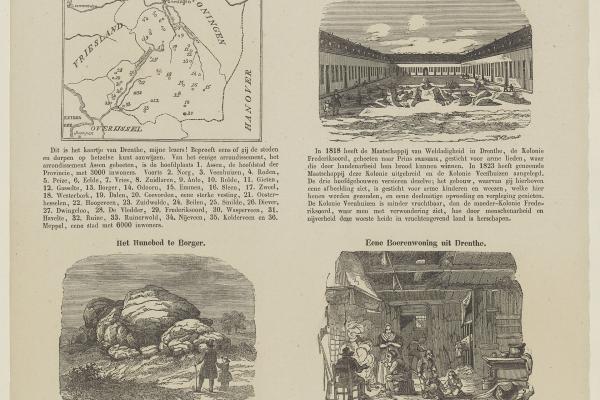
Veenhuizen is a village in Drenthe that was built as part of one of the most unusual social experiments in Dutch history, and it is now part of a UNESCO World Heritage site. The Colonies of Benevolence were founded in 1818 by Johannes van den Bosch, an army general and social reformer, and the Society of Benevolence he set up, with the idea of lifting poor families out of poverty in the cities by giving them land and work in the countryside. Settlements were established in the sparsely populated heath and bog of the north-east of the Netherlands, and their layout and buildings survive remarkably well. The World Heritage listing, which covers several colonies in the Netherlands and Belgium, was granted in 2021.
The free colonies, such as Frederiksoord and Wilhelminaoord, took in poor families who came voluntarily. Veenhuizen was different. From 1823 it became one of the so-called unfree colonies, where beggars, vagrants and orphans were sent by the authorities and held under strict supervision, working on the land and in workshops. Over time the focus shifted from reform to punishment, and Veenhuizen developed into a prison village, with large penal institutions that remained in use well into the twentieth century and in some cases until recent decades. The history of the place is therefore a story of idealism and control, and of the difficulty of reforming society through discipline.
The village has kept its original layout. Straight tree-lined avenues, rows of workers' houses, large institutional buildings, farms and canals recall the planning of a model settlement, and walking or cycling through it is an unusual experience. The National Prison Museum is housed in an old asylum building from 1823 and covers four centuries of Dutch criminal justice and the history of the colonies, with interactive displays, objects and audio guides that tell the stories of those who lived and worked here. Nearby, the drawbridge and lock, the turf barge and the old power station are further elements of the industrial landscape that kept the colony running.
Guided tours, walking and cycling routes and audio guides help to make sense of the site, and some are available in English. Check opening hours and ticket arrangements in advance, as they vary by season. The surrounding Drenthe countryside, with its forests, heath and quiet roads, is good for cycling.
Veenhuizen suits history lovers, those interested in social history and heritage, and visitors who want something unusual in Drenthe. Allow three to four hours, including the museum, and expect a thoughtful, sometimes sobering visit.
Categories
More photos coming soon
Nearby Attractions
Other places to visit in Veenhuizen

Drawbridge and Lock near Veenhuizen
Historic drawbridge and lock near Veenhuizen
Coastal & Maritime · Lakes & Rivers
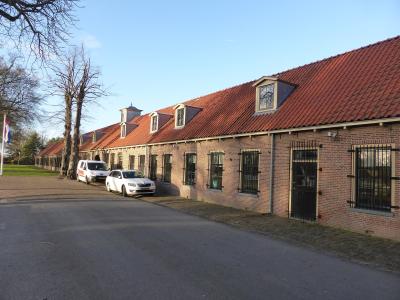
Prison Museum Veenhuizen
Historic prison exhibits with interactive tours
History & Heritage · History Museums

Turf Barge and Old Power Station
Historic peat transport and early power heritage
History & Heritage · Urban Exploration
Questions people ask
Quick Facts
Best Time to Visit
Late June to early September offers mild weather and lush countryside, ideal for exploring Veenhuizen’s museums, heritage sites, and outdoor activities.