Best of Urk

One-day exploration of Urk's maritime heritage and history

1 day β€’ Easy difficulty β€’ Est. €35

Day 1: Maritime Heritage and Coastal Charm of Urk

A full day exploring Urk's rich fishing history, iconic monuments, and historic harbor. This itinerary focuses on the cultural landmarks that define this former island turned peninsula.

  • 09:00

    Visit The Harbor (De Haven)

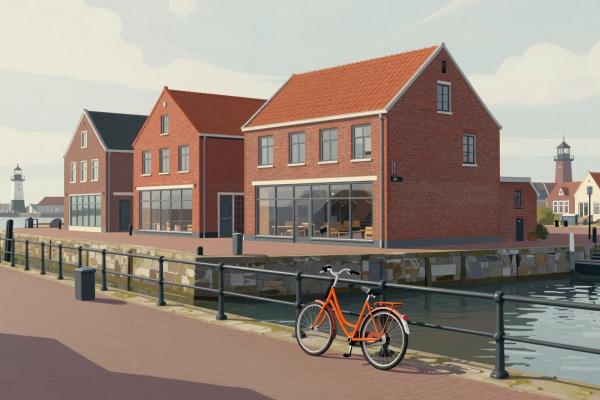
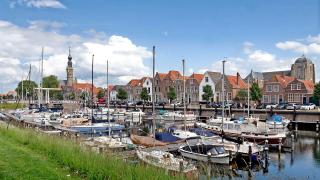
    Start your day at the heart of Urk. Walk along the historic fishing harbor, admire the traditional fishing boats, and visit the 19th-century lighthouse. This is the most iconic spot in Urk, offering a glimpse into the town's maritime soul.

  • 10:10

    Het Vissersmonument

    Walk to the Fishermen's Monument. This solemn memorial honors the fishermen lost at sea. It is a poignant site that highlights the dangers and sacrifices associated with Urk's fishing heritage.

  • 11:00

    Ommelebommelestien

    Explore the Ommelebommelestien, a large Ice Age boulder. According to local folklore, this stone is linked to the birth of Urk. It offers a mix of natural history and local legend.

  • 12:15

    Lunch in Town Center

    Enjoy a traditional Dutch lunch at a local cafe or restaurant in the town center. Look for local specialties such as Urk cheese or fresh fish dishes.

  • 14:00

    Kerkje aan de Zee

    Visit the 'Church by the Sea'. This historic seaside church stands in a distinctive coastal landscape. It is a peaceful spot to reflect on the community's history and architecture.

  • 15:15

    Stroll Urk Harbor & Shopping

    Spend the afternoon leisurely strolling around Urk Harbor again. Browse local shops for souvenirs, such as Urk lace or local produce. Relax by the water and enjoy the atmosphere.

Meals: Lunch at Town Center Cafes

Where to stay: Urk has limited accommodation options. Consider staying in nearby cities like Kampen or Zwolle if Urk is fully booked, or look for B&Bs in the immediate vicinity.

Getting around: Urk is small and walkable. However, if you are coming from outside the region, a car is recommended for the journey. Within Urk, walking is sufficient.

Practical Information

Urk, located in the province of Flevoland, offers a distinct historical experience as one of the last remaining former islands in the Netherlands. The best time to visit is during the spring (April to May) or early autumn (September to October). During these months, the weather is generally mild, with average temperatures ranging from 10Β°C to 18Β°C, making it comfortable for walking the cobblestone streets of the historic center. Summer can be crowded and warmer, while winter brings cold winds from the IJsselmeer, which may limit outdoor activities. Getting to Urk is straightforward via public transport or car. The most common route involves taking a train to Lelystad Centrum and then transferring to a local bus (line 72 or 73) that takes approximately 20–30 minutes to reach Urk. Driving is also convenient, with ample parking available near the town center, though visitors should note that the historic core has limited vehicle access to preserve its character. Once in Urk, the town is highly walkable. The main attractions, including the Maritime Museum and the old church, are clustered closely together. For those wishing to explore the surrounding polders and dike paths, renting a bicycle is the most practical and authentic way to navigate the flat landscape. Accommodation options in Urk are limited compared to larger cities like Amsterdam. Visitors typically stay in local bed and breakfasts or small hotels that reflect the town’s maritime heritage. Booking in advance is recommended, especially during peak tourist seasons. For those seeking more variety, staying in nearby Lelystad or Kampen provides additional hotel choices, though it requires daily commuting to Urk. Budget considerations for a one-day trip should account for transportation costs, which vary depending on your starting point. Entrance fees for the Maritime Museum and other attractions are modest, but dining in the town center can be moderately priced. It is advisable to carry some cash, as smaller shops or local markets may not accept cards. When packing, bring comfortable walking shoes suitable for uneven cobblestones and layered clothing to adapt to changing weather conditions. A rain jacket is essential year-round due to the unpredictable coastal climate. Finally, respect local customs by keeping noise levels down in the residential areas and supporting local businesses to sustain the community’s unique cultural identity.

Book your stay

More Itineraries