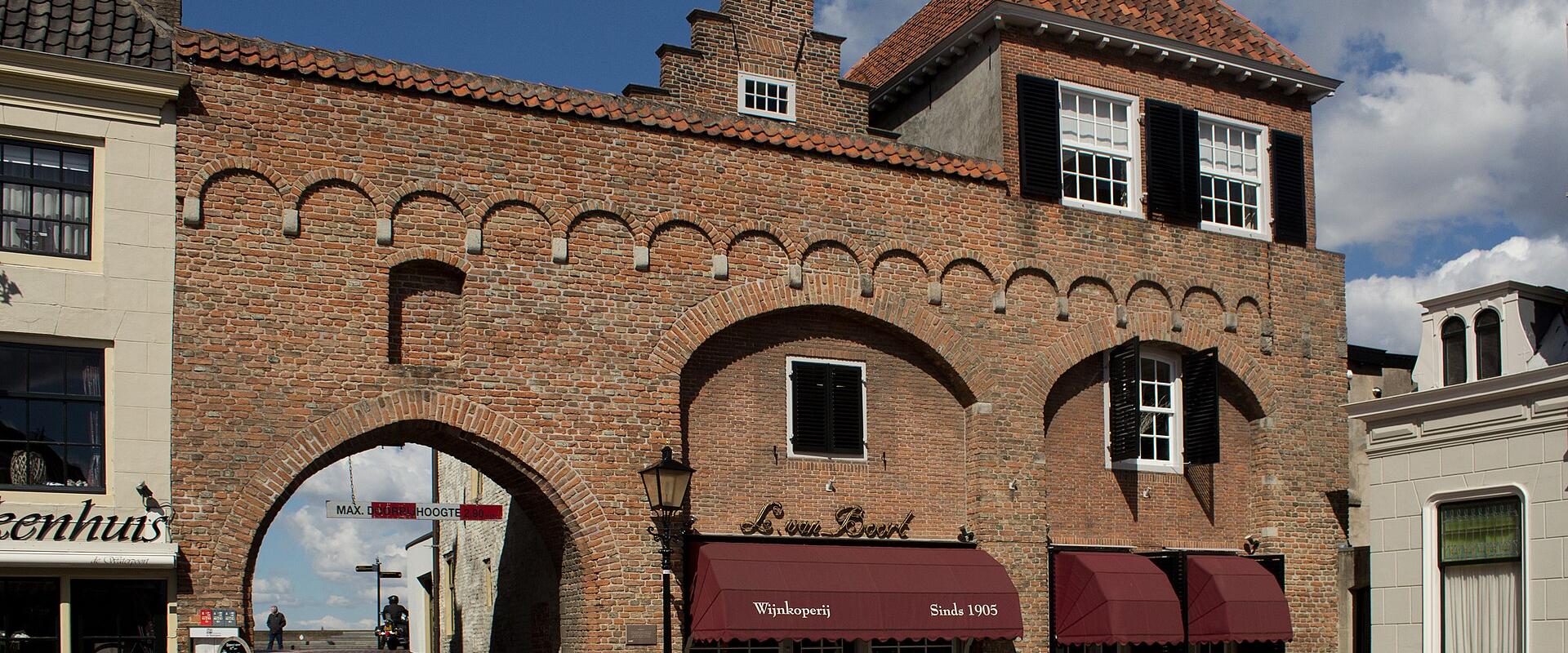
Zaltbommel lies on the north bank of the Waal River, in the Betuwe region of Gelderland, and has been an important crossing point since the early Middle Ages. Its position at the river made it a hub for trade and defence, and over the centuries the town developed into a fortified one, with walls, gates and bastions that protected its people from invaders and from floods. The prosperity of river commerce continued to grow, and the historic core still reflects the wealth and importance of the past. Zaltbommel received city rights in the 13th century, and parts of the walls and gates remain.
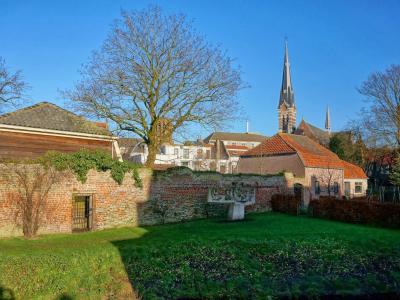
One of Zaltbommel’s most prominent landmarks is the Sint Maartenskerk, the Church of St. Martin, a large Gothic church that dates from the 15th century. The tall tower dominates the skyline and offers views over the town and the countryside, and the interior has stained glass and fine woodwork. Nearby the Waterpoort, a medieval city gate on the river, is a reminder of the town’s defensive heritage and a picturesque entrance to the old town. The Gasthuistoren, the tower of the old hospital, is another distinctive landmark rising above the historic centre.
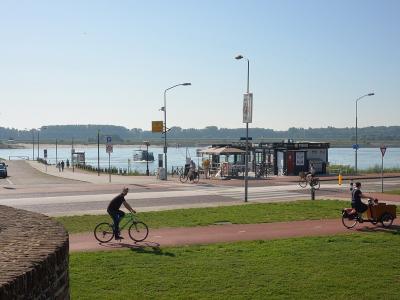
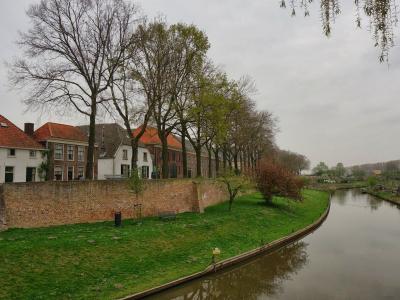
The riverside setting is ideal for walks and cycling along the dikes, with views of passing ships and the green Betuwe landscape. The Stadskasteel Zaltbommel, a former city castle now housing a museum, offers exhibits on local history, art and the town’s role in regional trade, and it is associated with the soldier Maarten van Rossum. The town’s streets are lined with traditional Dutch houses, cafes and boutique shops, which gives it a welcoming atmosphere.
A short distance from the centre lies Slot Loevestein, a 14th-century fortress at the meeting point of the Waal and the Maas, which played an important part in Dutch history as both a military stronghold and a notorious prison. The jurist Hugo Grotius escaped from it in 1621, hidden in a book chest. The castle is now open to the public, with interactive exhibits, guided tours and reenactments that bring its past to life, and it stands in a landscape of floodplains that makes it a favourite with families and history lovers.
Zaltbommel also offers outdoor activities, from playgrounds and parks to boat trips on the river. The surrounding Betuwe is known for its fruit orchards, which bloom in spring and supply fresh produce through the year. The town holds regular markets, festivals and cultural events that celebrate local tradition and community spirit.
Getting to Zaltbommel is easy by road, with convenient access via the A2 motorway and good links toward Utrecht and 's-Hertogenbosch. Visitors who prefer public transport can use regional bus and rail services, which are worth checking in advance. The compact centre is best explored on foot or by bicycle, with rentals available.
The best time to visit Zaltbommel is from late June to early September, when the weather is mild and the riverside and orchards are at their best. Spring is also lovely, with blossoming fruit trees and pleasant temperatures for outdoor exploration, and autumn brings harvest colours.
Whether the interest is medieval architecture, river scenery or Dutch history, Zaltbommel is a rewarding and authentic stop in the Betuwe.
Best time to visit
Late June to early September offers mild weather, vibrant riverside life, and blooming orchards, ideal for exploring Zaltbommel’s historic and natural attractions.
What to see in Zaltbommel
Our picks first.

Stadskasteel Zaltbommel
16th-century castle museum with regional art and history
History & Heritage · Castles

Gasthuistoren
16th-century tower with panoramic city views
Food & Gastronomy · Restaurants
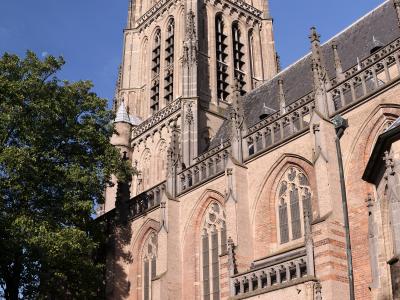
Sint Maartenskerk
11th-century Lower Rhine Gothic basilica in Zaltbommel
History & Heritage · Historic Churches
Zaltbommel by interest
The same sights, grouped by what you came for.
Did you know?
Checked facts about Zaltbommel, each with its source.
-
History
Zaltbommel Is Shaped by a River
Situated along the Waal River, Zaltbommel boasts a charming old town with cobbled streets, historic churches, and iconic landmarks such as the Sint Maartenskerk and Waterpoort.
Source: Zaltbommel - Wikipedia -
History
Zaltbommel Keeps a Castle Story
The town’s strategic location has made it a center of trade and defense for centuries, reflected in its impressive fortifications and nearby Slot Loevestein, a 14th-century fortress.
Source: Zaltbommel - Wikipedia -
History
Zaltbommel Is Shaped by a River
Today, Zaltbommel offers a blend of cultural attractions, riverside walks, and a welcoming atmosphere, making it an appealing destination for history enthusiasts, families, and travelers seeking authentic Dutch heritage.
Source: Zaltbommel - Wikipedia
Planning a visit to Zaltbommel
Itineraries that include Zaltbommel
Good to know
- Currency
- EUR
- Language
- Dutch