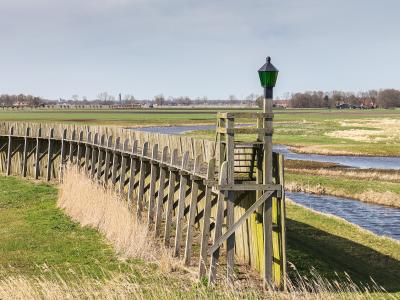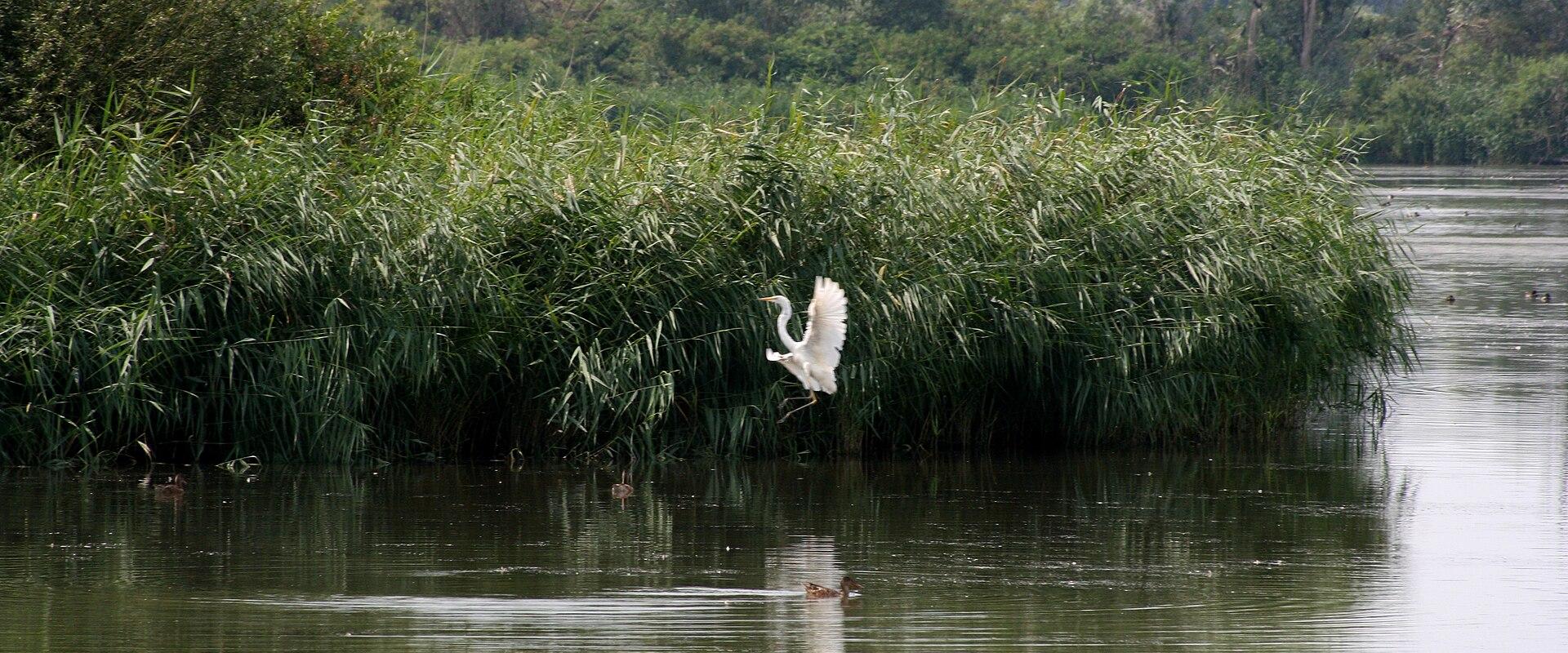
Lepelaarplassen represents a fascinating case study in ecological restoration and pioneer nature within the Netherlands. The history of this area is inextricably linked to the broader project of reclaiming land from the sea in Flevoland. In 1968, the Zuidelijk Flevoland polder was drained, exposing a vast expanse of flat, fertile land. However, rather than immediately converting all of this land for agriculture, a portion was set aside to develop naturally. In 1971, Lepelaarplassen was officially designated as a nature reserve. The landscape is defined by its low-lying topography, with elevations ranging from -5 to -3 meters below sea level. This unique geography, combined with the proximity to the Markermeer, creates a rich, nutrient-dense environment ideal for wetland ecosystems. The name 'Lepelaarplassen' translates to 'Lepelaar Ponds,' referring to the spoonbills (lepelaars) that frequent the area, although the name also alludes to the spoon-like shape of the drainage tools or the general pond-like nature of the terrain.
The primary attraction of Lepelaarplassen is its biodiversity, particularly its birdlife. The reserve is a paradise for ornithologists and birdwatchers. The ditches, burns, and pools provide ideal hunting grounds for species such as the great egret, grey heron, spoonbill, and bittern. Throughout the year, numerous bird species stop off here, making it a critical stopover point for migratory birds. The reed beds and wet grasslands offer nesting sites and shelter, supporting a complex food web. For visitors, the main activity is observing this wildlife from designated paths and viewpoints. The landscape is relatively flat, making it accessible for walking and cycling. There are several marked trails that wind through the reserve, offering panoramic views over the water and reeds. These paths allow visitors to immerse themselves in the serene and often silent atmosphere of the polder nature.
Cycling is a popular way to explore Lepelaarplassen and the surrounding Nieuw Land National Park. The flat terrain and well-maintained cycle paths make it easy for cyclists of all levels to navigate the area. Visitors can rent bicycles in nearby Almere or Lelystad and cycle to the reserve. The experience of cycling through the open landscapes, with the wind and the sounds of nature, is a quintessential Dutch experience. In addition to birdwatching and cycling, the area is suitable for nature photography. The changing light of dawn and dusk provides excellent opportunities for capturing images of birds and the reflective waters. The reserve is also a place for quiet reflection and enjoying the solitude of the polder landscape.
Getting to Lepelaarplassen is straightforward. The nearest major city is Almere, which is well-connected by public transportation to Amsterdam and other parts of the Netherlands. From Almere, visitors can take a bus or drive to the reserve. There are parking facilities available near the main access points. The best time to visit Lepelaarplassen is during the spring and autumn months, particularly April to May and September to October. These seasons coincide with bird migration periods, offering the highest likelihood of spotting a diverse range of species. Spring also brings blooming vegetation and active nesting birds, while autumn offers colorful landscapes and migrating flocks. Summer can be warm and busy, while winter provides a stark, quiet beauty, though some areas may be less accessible due to weather conditions. Regardless of the season, Lepelaarplassen offers a unique and peaceful escape into the heart of Flevoland's natural heritage.
Best time to visit
Visit between April and May or September and October for optimal bird migration viewing and mild weather.
What to see in Lepelaarplassen
Our picks first.
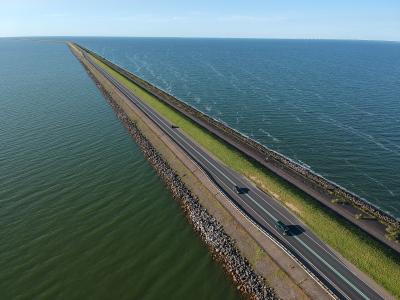
Markermeer Dike Route
Scenic dike route through Lepelaarplassen reserve
Lakes & Rivers · Viewpoints

Kiss Bridge
Iconic pedestrian bridge over Lepelaarplassen wetlands
Urban Exploration · Promenades

Pirate Island Bridge
Wooden bridge connecting Pirate Island trails
Activities & Adventure · Coastal & Maritime
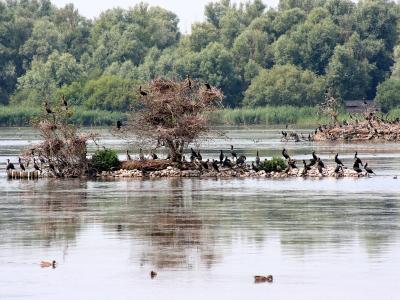
Spoonbill Path
Nature reserve with large spoonbill colony
Natural Wonders · Walking Trails
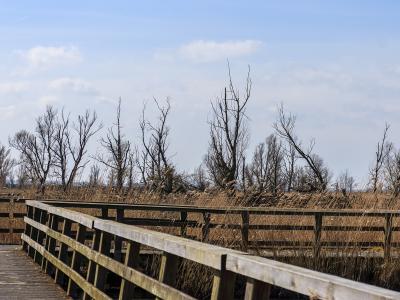
White-tailed Eagle Nesting Sites
White-tailed eagle nesting in Dutch wetland reserve
Natural Wonders · Hiking Trails
Lepelaarplassen by interest
The same sights, grouped by what you came for.
Did you know?
Checked facts about Lepelaarplassen, each with its source.
-
History
Lepelaarplassen Has a Second Local Claim
Situated near Almere on the shores of the Markermeer, this landscape is a prime example of pioneer nature, characterized by its dynamic interplay of water, reed beds, and wet grasslands.
Source: Lepelaarplassen -
History
Born from a 1968 Polder
The Lepelaarplassen wetland formed after the Zuidelijk Flevoland polder was drained in 1968.
Source: Zuiderzee - Wikipedia
Planning a visit to Lepelaarplassen
Good to know
- Currency
- EUR
- Language
- Dutch